
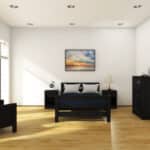
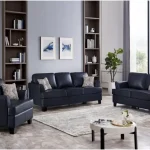
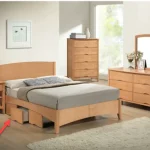








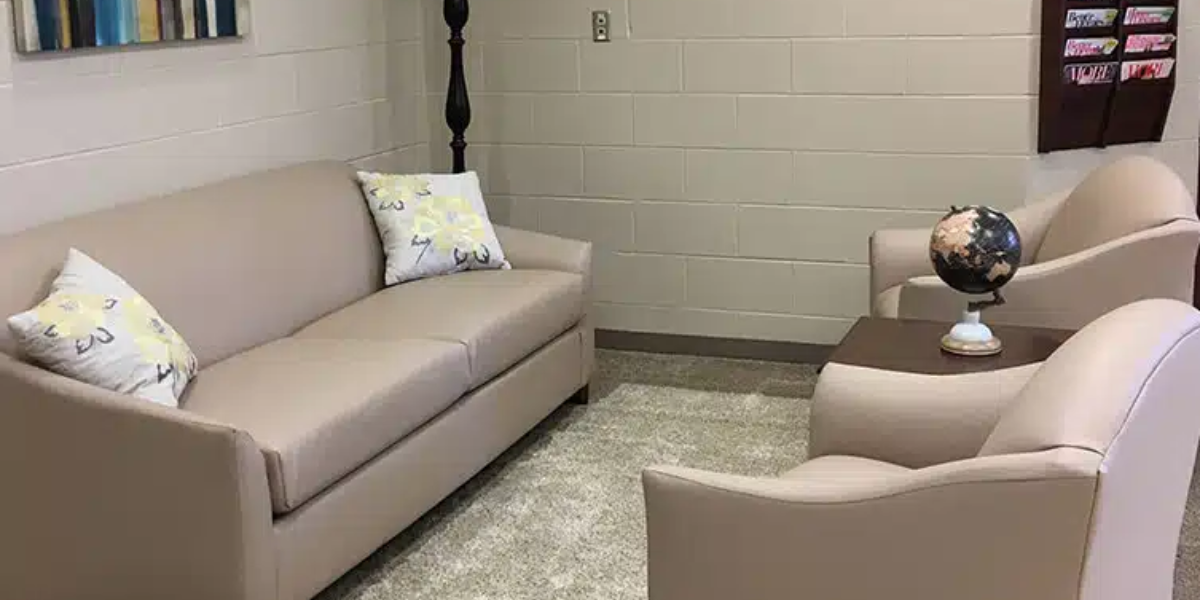
Behavioral Health Furniture Checklist for New Facility Construction
Furniture selections for new construction can impact a behavioral health facility long beyond opening day. A chair that looks good on a spec sheet may be hard to clean, easy to transfer, inappropriate for the patient demographic, or challenging once real circulation patterns emerge. That is why behavioral health furniture should be planned alongside room…
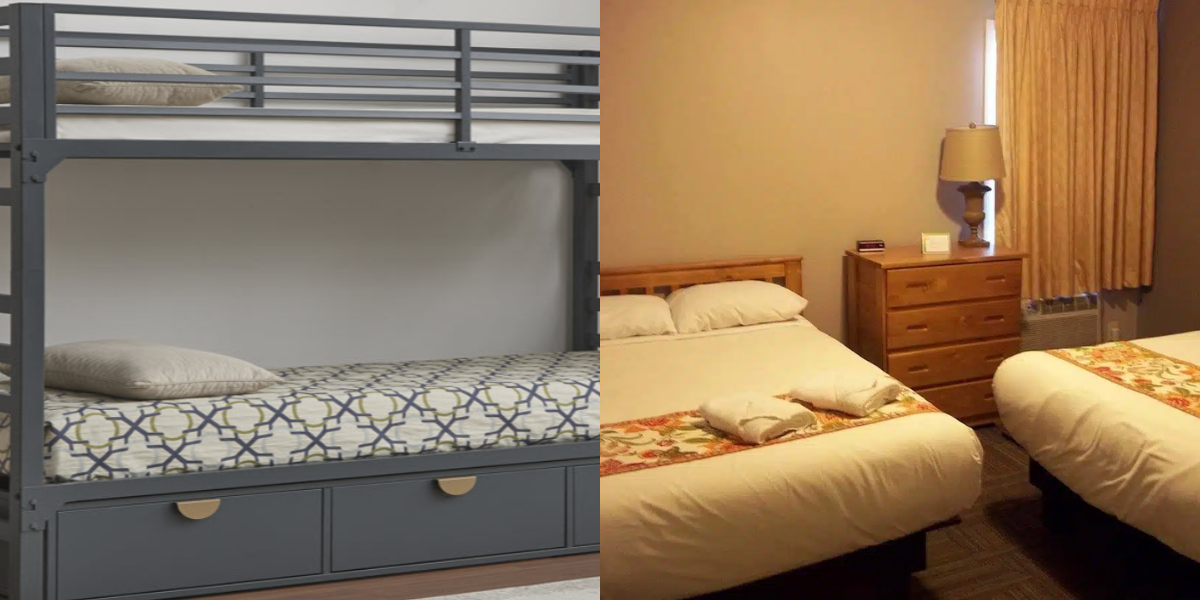
Metal Furniture vs. Wood Furniture: Which Is Better for Healthcare Facilities?
Choosing between metal furniture and wood furniture for a healthcare facility is rarely as simple as deciding which material lasts longer. A hospital patient room, behavioral health unit, recovery center, residential treatment facility, waiting area, and administrative office can have very different demands. Furniture may need to withstand constant use, frequent cleaning, moisture exposure, movement,…
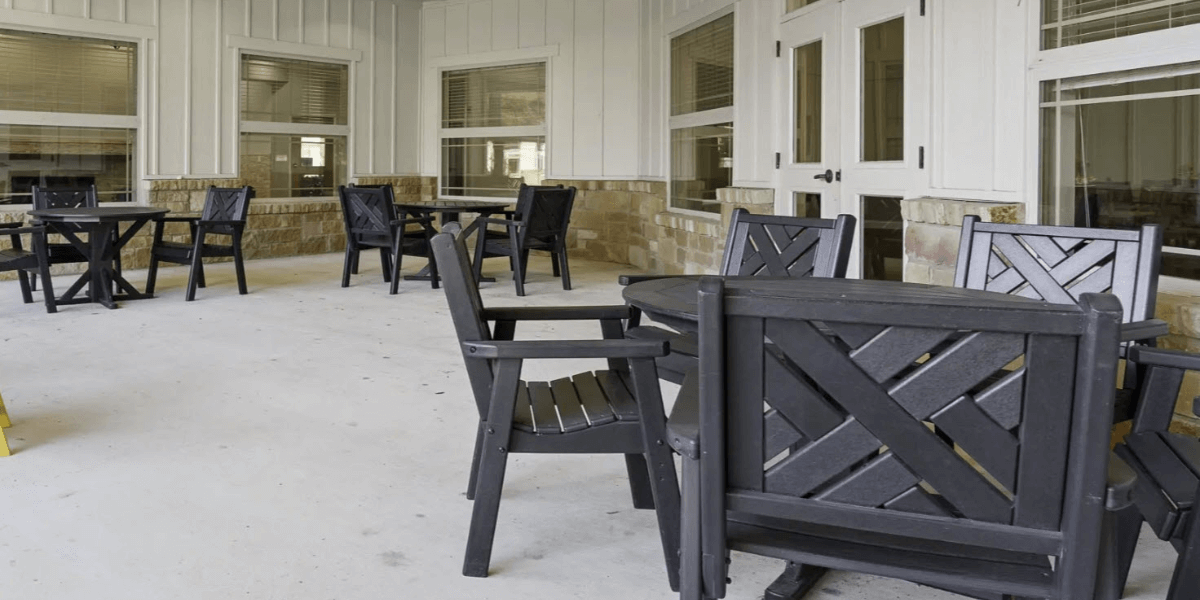
How the Right Shelter Furniture Can Improve Safety and Comfort
A shelter is more than a temporary place to stay. It is an environment where people seek safety, stability, comfort and dignity during difficult circumstances. Every part of that environment—including bedrooms, common areas, dining spaces and shared facilities—can influence the resident experience. Organizations can create safer, more comfortable environments better suited to daily needs by…
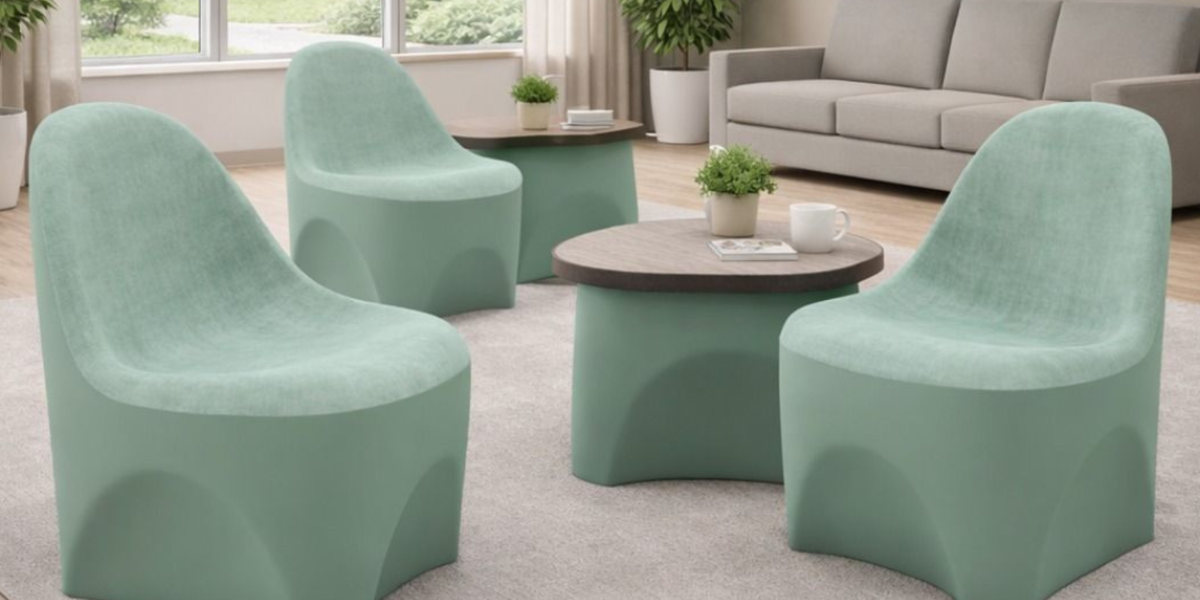
Choosing Safer Seating for Behavioral Health Environments
Choosing Safer Seating for Behavioral Health Environments Furniture selection in behavioral health environments involves more than choosing the right size, style or finish. The people using the space, level of supervision, intended use of the room and potential safety concerns can all influence which furniture is appropriate. Seating is an especially important consideration. Chairs are…
How to Choose Behavioral Health Beds for Safety, Durability, and Comfort
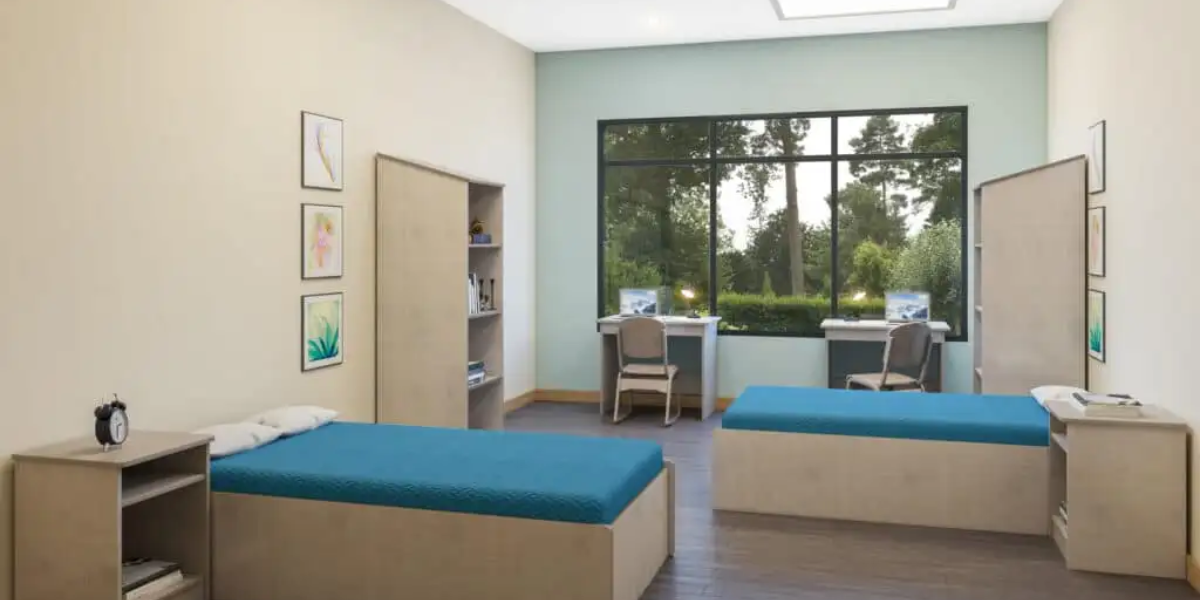
In behavioral health environments, every piece of furniture plays a role in creating a safer space for patients and caregivers. A bed isn’t a small purchase decision here. It has to hold up under continuous use, meet strict safety standards, & still feel like something a person can rest in during a difficult time. That…
How long does behavioral healthcare furniture last?
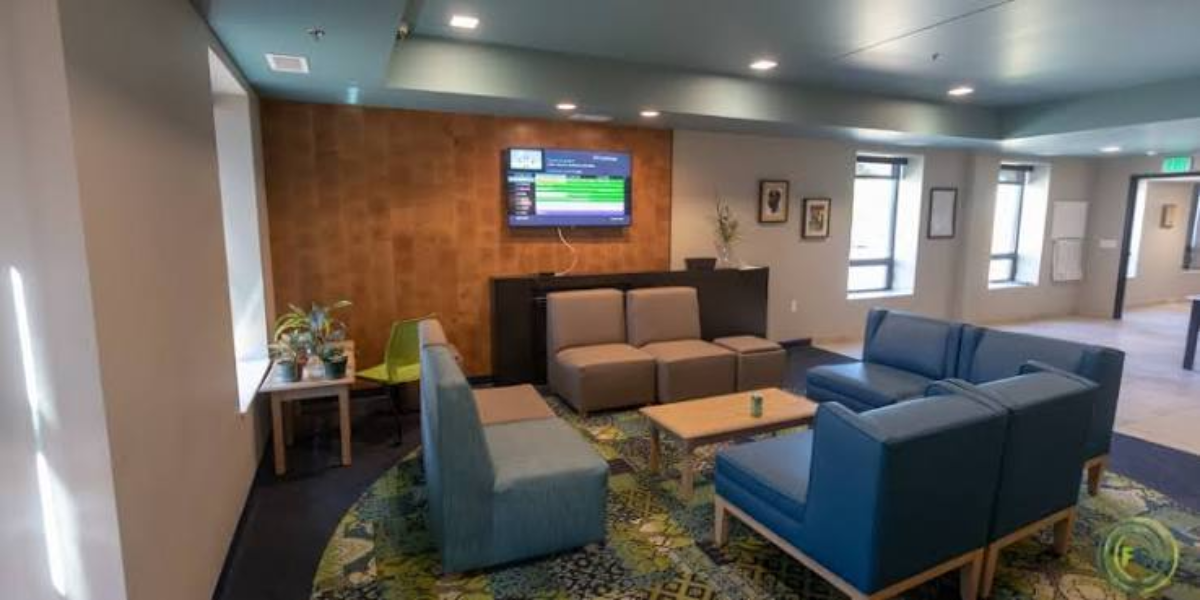
Healthcare furniture in behavioral health environments faces demands that ordinary commercial furniture was never built for. Constant daily use, frequent cleaning, patient movement, & strict safety requirements wear down furniture faster than most facility managers expect, and that’s before you even factor in how unpredictable behavioral health units can be on any given shift. Facility…
What Furniture Is Best for Addiction Treatment Centers?
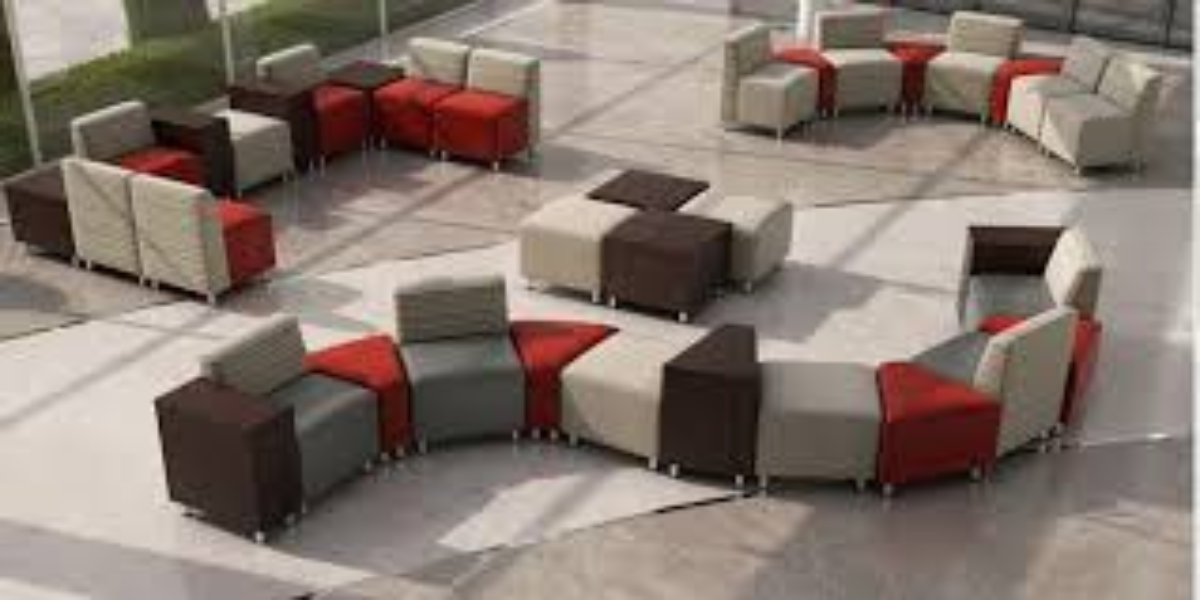
Furniture in an addiction treatment center works hard. Chairs see long hours of use, bedrooms serve changing resident populations, & surfaces have to fit demanding cleaning routines. Yet recovery spaces should still feel calm and respectful. The best furniture for addiction treatment centers is commercial-grade furniture selected for the risk and purpose of each room.…
How Ligature-Resistant Furniture Support Safer, Trauma-Informed Behavioral Health Spaces?
A chair, bed, or table does more than fill a behavioral health room. Its shape, weight, hardware, and finish can affect physical safety, emotional security, and how a patient perceives the care they’re receiving. That’s a lot of pressure to put on a nightstand, but it’s the reality facility leaders live with every day. Reducing…
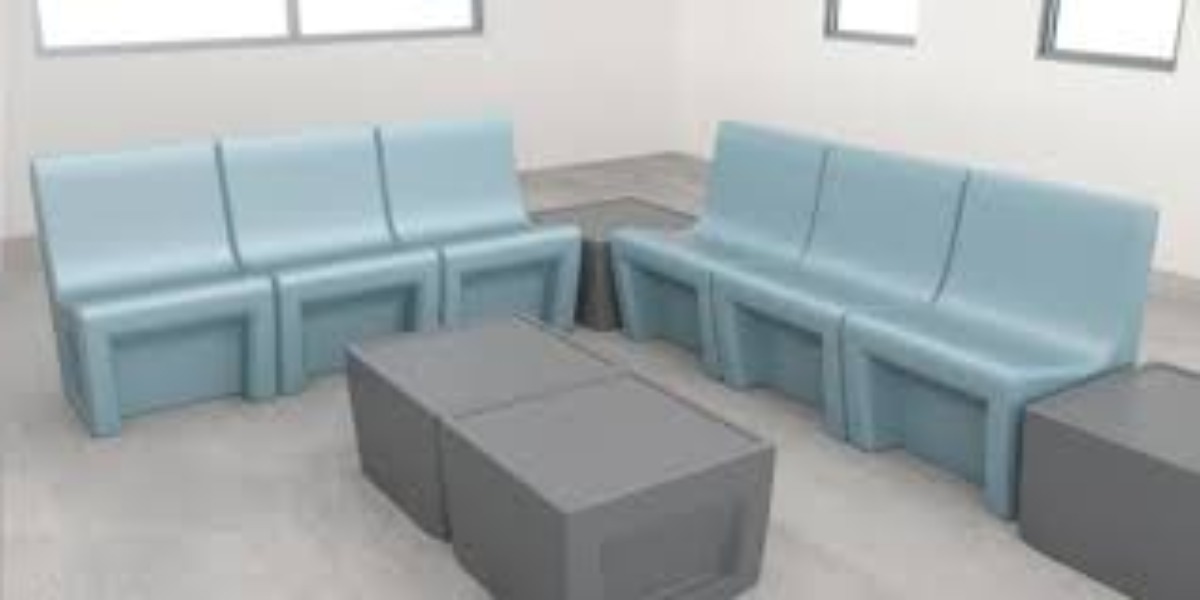
Safety-Focused Chairs for Patient Rooms, Common Areas, and Intake Spaces
A chair appropriate for a supervised dayroom may introduce avoidable risks in a patient bedroom or high-turnover intake area. Healthcare facilities cannot select seating based on appearance or general healthcare durability alone. Patient access, supervision, acuity, cleanability, furniture mobility, & room function all affect which chair is appropriate. Selecting healthcare furniture requires looking beyond basic…
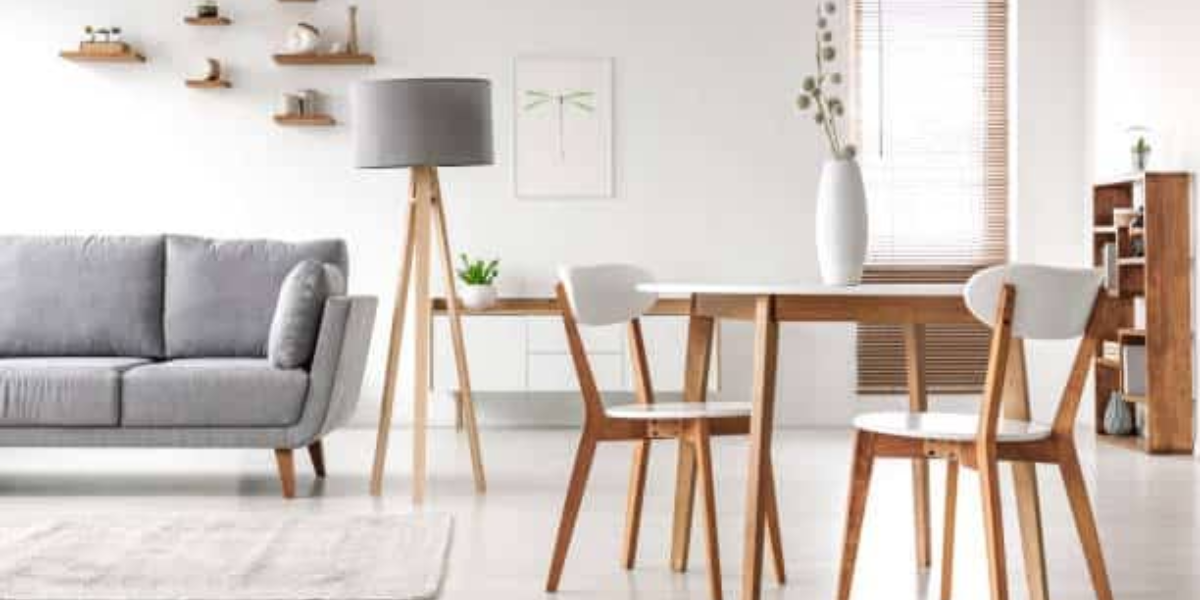
Laminate vs. Solid Wood Furniture for Behavioral Health Facilities
A chipped edge. An exposed fastener. A surface that soaks up whatever spills on it. In most settings, these are cosmetic annoyances. In a behavioral health facility, they’re maintenance headaches, sanitation risks & in some rooms, actual safety concerns. Facility managers comparing laminate furniture & solid wood furniture for behavioral health facilities aren’t just picking…