








What Furniture Is Best for Addiction Treatment Centers?
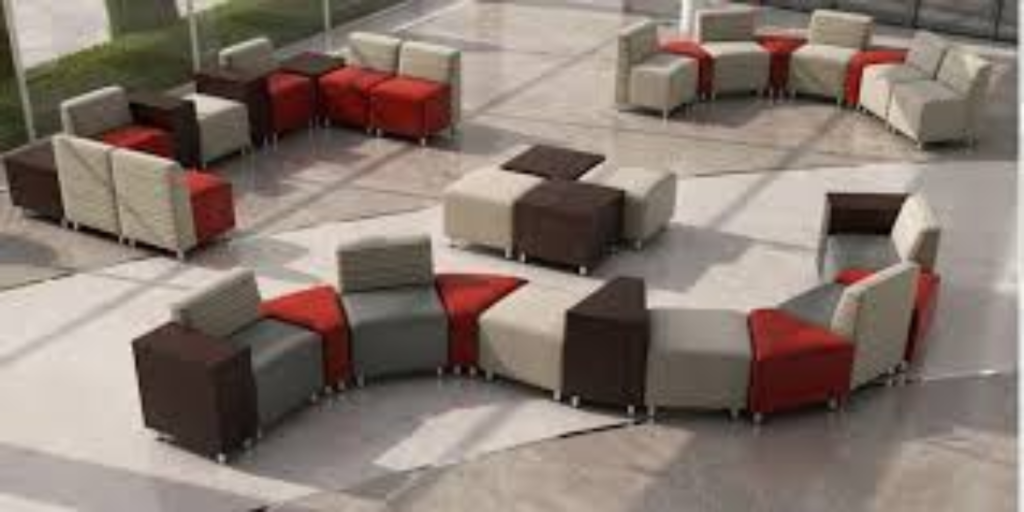
Furniture in an addiction treatment center works hard. Chairs see long hours of use, bedrooms serve changing resident populations, & surfaces have to fit demanding cleaning routines. Yet recovery spaces should still feel calm and respectful.
The best furniture for addiction treatment centers is commercial-grade furniture selected for the risk and purpose of each room. The main priorities are safety, stability, durability, cleanability, and comfort. Higher-risk rooms may call for ligature-resistant furniture, weighted furniture, floor-mounted pieces, or one-piece molded products. Lower-risk residential recovery spaces may allow warmer finishes and upholstered seating while still requiring construction made for constant use.
A detox area, bedroom, therapy room, dining space, and lounge do not create the same demands.
What Is the Best Furniture for an Addiction Treatment Center?
A practical rule is to choose the least restrictive furniture that still fits the facility’s safety plan, resident population, and daily operations.
Good addiction treatment furniture is stable, durable, easy to maintain, comfortable, & appropriate for the room’s risk level. More controlled spaces may need ligature-resistant, tamper-resistant, weighted, bolted, floor-mounted, or roto-molded designs. Residential recovery spaces can often use heavy-duty products with a warmer, homelike appearance.
A durable chair can still be wrong if it is easy to misuse or hard to clean.
Start With Risk Level Before Choosing a Furniture Type
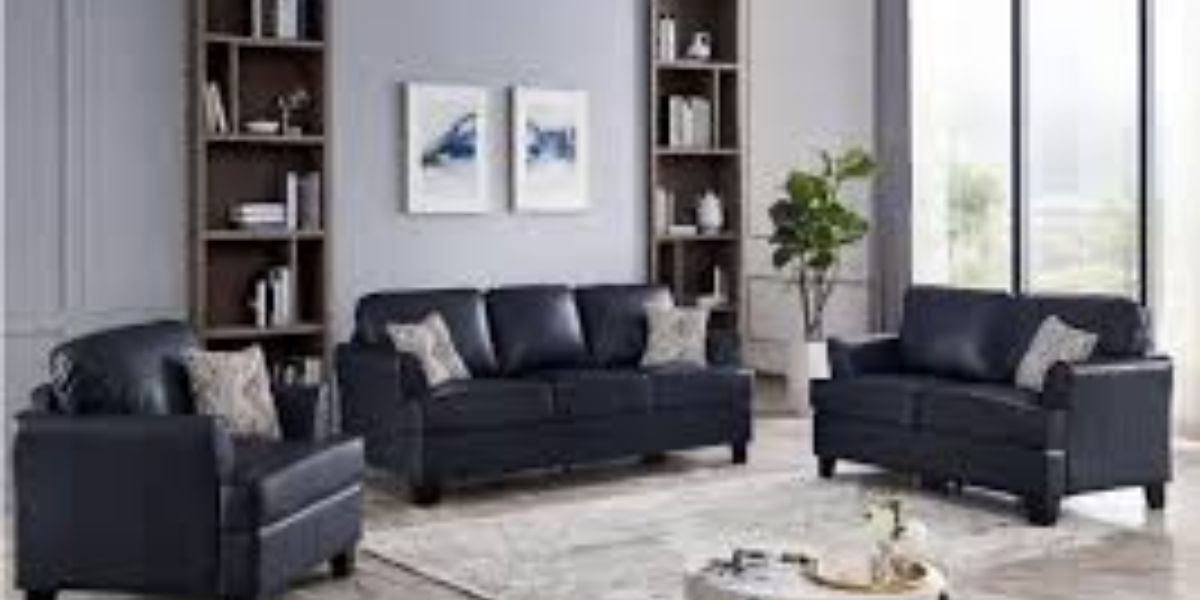
A higher-acuity setting may need a different approach from sober living or an unlocked residential program. Current Joint Commission guidance emphasizes environmental risk assessment rather than one product type for every behavioral health setting. Non-inpatient behavioral health settings and unlocked inpatient units are expected to assess and manage environmental risks, but they are not automatically required to maintain a completely ligature-resistant environment.
Higher-risk or more intensive environments
Where risk of self-harm, tampering, tipping, or misuse is higher, consider concealed hardware, simplified construction, non-removable components, heavier pieces, & floor-mounting options.
Ligature-resistant furniture is designed to reduce points where a cord, sheet, or similar material could be secured. It is different from tamper-resistant, non-removable, or weighted furniture. Those features address different risks. The Joint Commission likewise defines ligature resistance as eliminating sustainable attachment points & does not recommend specific products.
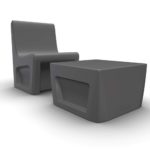
Roto-molded furniture can be useful in intensive-use spaces. Furniture Concepts carries one-piece roto-molded products designed with reduced exposed hardware, and selected pieces can be weighted or secured to the floor.
Lower-risk residential recovery and sober living spaces
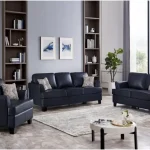
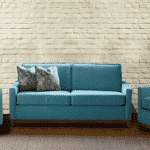
Lower-risk settings often have greater flexibility to use heavy-duty wood, laminate furniture, metal furniture, and upholstered seating. Residential-looking does not mean household-grade. A warm sofa can still use a commercial frame, high-density foam, & healthcare-grade upholstery.
Which Safety Features Matter Most?
Safety features should respond to an identified risk rather than becoming a universal checklist.
Stability and tipping prevention
If movement could create a hazard, consider bottom-heavy construction, weighted furniture, bolting, ganging, or floor-mounted products. Ask what happens if someone tries to move the piece. Mobility may help in one room and create risk in another. We currently offer weighted and floor-mountable configurations within selected behavioral health product lines.
Tamper resistance and safer profiles.
Check exposed fasteners, hinges, removable parts, drawer construction, gaps, & sharp projections. Rounded edges & simple profiles can reduce avoidable hazards & make inspection easier.
Ligature resistance
The Joint Commission does not recommend specific ligature-resistant products. Organizations are expected to assess their environment and choose products appropriate to identified risks. This is important for addiction treatment programs because not every setting has the same ligature requirements.
What Materials Work Best for Addiction Treatment Center Furniture?
No material is right for every room. Each has a different strength.
| Furniture Type | Best Suited For | Main Strength | Key Consideration |
|---|---|---|---|
| Roto-molded plastic | Higher-use or safety-sensitive spaces | One-piece durability | Specialized appearance |
| Metal furniture | Bedrooms and demanding environments | Strength and long service life | Finish affects residential feel |
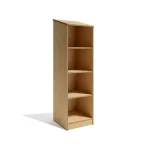
| Heavy-duty wood or wood-look | Residential recovery spaces | Warm appearance | Confirm institutional-grade construction |
| Upholstered seating | Therapy rooms and lounges | Comfort | Fabric must handle the cleaning routine |
Roto-molded pieces suit spaces where exposed hardware, moisture, or impact are concerns. Metal beds and storage can fit high-turnover bedrooms, while wood-look casegoods add warmth to residential programs.
For upholstered seating, the fabric matters as much as the frame. We offer healthcare-grade woven fabrics & vinyl options intended for heavy use, including choices designed for easier cleaning or fluid management.
Confirm cleaner and disinfectant compatibility with the textile manufacturer. BIFMA’s current surface guideline also evaluates how furniture surfaces perform when exposed to cleaning, sanitizing, and disinfecting products used in healthcare and commercial environments.
What Furniture Works Best in Each Area?
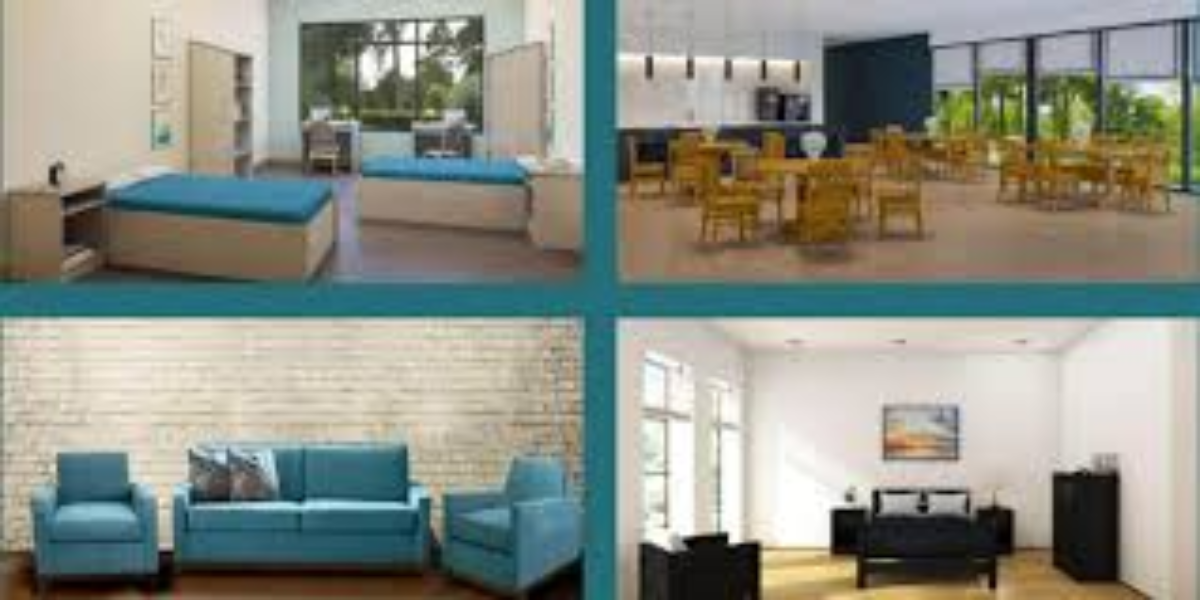
Resident bedrooms
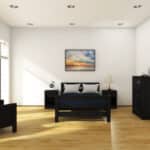
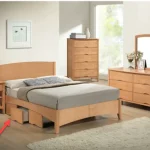
Start with a heavy-duty bed, suitable mattress, and storage. Depending on risk, that may mean wood, metal, laminate furniture, or roto-molded construction. Apply the same safety & maintenance criteria to nightstands, dressers, wardrobes, & mattress covers.
We offer foam mattresses with fluid-proof cover options alongside our bedroom furnishings, giving treatment facilities another maintenance consideration when planning resident rooms.
Common areas and lounges
Sofas, loveseats, lounge chairs, & tables should tolerate long hours of use. A commercial rocking chair or glider may fit selected recovery spaces when motion, stability, & supervision are appropriate.
We carry healthcare rockers in its motion-seating range, including upholstered, steel-frame, and rotationally molded options.
Therapy rooms
Therapy rooms need supportive chairs, cleanable surfaces, & open space for conversation. Flexible groups may benefit from movable chairs, while controlled layouts may call for heavier or secured seating.
Dining and multipurpose rooms
Choose stable commercial tables & durable chairs that can handle spills and repeated cleaning. Include accessible and bariatric seating in the overall plan so different residents can use the same shared space comfortably.
Why Homelike Furniture Still Matters
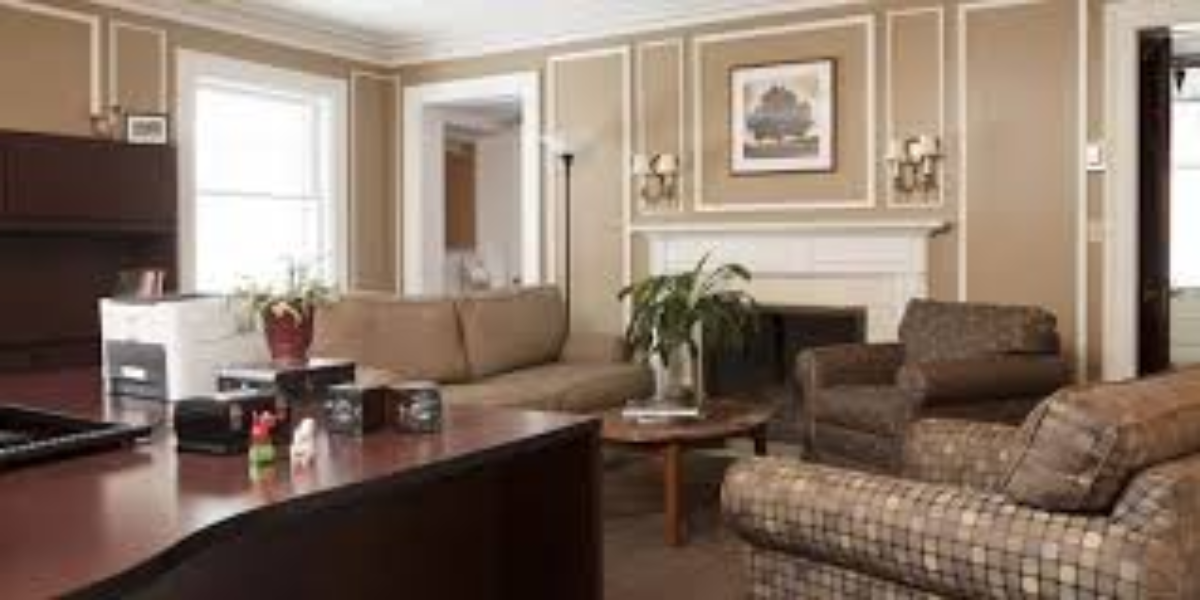
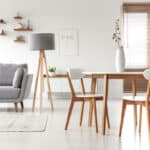
Warm finishes, familiar forms, comfortable upholstery, & calm colors can soften a treatment room without weakening its furniture specification.
We describe its addiction recovery and sober living approach as informed by therapeutic and trauma-based design. Its product positioning also emphasizes durable, homelike furnishings for recovery environments.
Choose controlled construction where risk requires it, then use material, color, & form to create as much normalcy as the setting allows.
Safety and dignity can be planned together. The right product manages identified risks while preserving a familiar, respectful environment wherever possible.
How to Choose Between Heavy-Duty and Higher-Security Furniture
Use this quick check before ordering:
| Ask This Question | If Yes |
|---|---|
| Could the piece be moved or tipped in a risky way? | Consider weighted, bolted, floor-mounted, or otherwise secured products. |
| Are removable parts a concern? | Look for simplified or tamper-resistant construction. |
| Has the room assessment identified ligature risk? | Evaluate suitable ligature-resistant furniture. |
| Will the product receive unusually heavy use? | Prioritize commercial or institutional construction. |
| Is frequent cleaning or fluid exposure expected? | Prioritize cleanable surfaces and suitable healthcare upholstery. |
| Should the room feel residential? | Use warm finishes within the required safety level. |
Price should come after these questions. A cheaper chair that fails early or cannot tolerate the facility’s cleaning process may cost far more over its useful life.
Conclusion
The right furniture for an addiction treatment center should support safety, durability, comfort, and easy maintenance while helping the space feel welcoming. There is no single solution for every room. A resident bedroom may need heavy-duty metal furniture or roto-molded furniture, while therapy rooms and common areas may benefit from comfortable upholstered seating and residential-style finishes.
The best approach is to evaluate each space based on risk level, daily use, cleaning requirements, resident needs, and overall environment. Ligature-resistant furniture, weighted furniture, secured seating, and other specialized options can then be used where the facility’s safety assessment calls for them.
We offer furniture designed for addiction recovery, behavioral healthcare, sober living, & other high-use residential environments. Explore available furniture options or contact our team to discuss the right products for your facility, budget, and project requirements.
Frequently Asked Questions
What type of furniture is best for addiction treatment centers?
Commercial-grade furniture matched to risk, use, cleaning requirements, & desired atmosphere is usually the best fit. Higher-risk areas may require secured or ligature-resistant designs.
Does all furniture in an addiction treatment center need to be ligature resistant?
No. Requirements depend on the setting & environmental risk assessment. The Joint Commission states that non-inpatient behavioral health settings and unlocked inpatient units do not automatically require a fully ligature-resistant environment, although risks still need to be assessed and managed.
What is the difference between ligature-resistant and tamper-resistant furniture?
Ligature-resistant design reduces potential attachment points. Tamper-resistant design makes components harder to remove or alter. Weighted or secured furniture addresses movement and tipping.
Is roto-molded furniture good for addiction treatment centers?
It can be. One-piece construction can reduce exposed hardware and simplify cleaning, while selected products can be weighted or floor-mounted. We offer roto-molded products with these types of configurations.
What is the best seating for group therapy rooms?
Choose supportive commercial chairs with durable frames and cleanable surfaces, then decide whether the room needs flexible or controlled seating positions.
What upholstery is easiest to maintain in recovery facilities?
Healthcare-grade vinyl and performance fabrics are common options. Choose based on fluid exposure, cleaning frequency, stain resistance, and compatibility with the chemicals used by the facility.