










How to Create a Furniture Standards Guide for Multiple Facilities
Managing furniture across several facilities can become complicated when each location follows different purchasing practices. One facility may prioritize cost, while another focuses on durability, safety, or appearance. Over time, these differences can lead to inconsistent spaces, unexpected replacement expenses, & additional work for purchasing teams.
A well-organized Furniture Standards Guide helps bring consistency to these decisions. It establishes clear expectations for furniture selection, safety, materials, maintenance, & purchasing across multiple locations.
For behavioral healthcare centers, group homes, residential treatment programs, & supportive housing organizations, these guidelines are particularly valuable because furniture must meet the practical needs of residents, staff, and everyday operations.
This blog explains how to develop furniture standards that support long-term planning while allowing individual facilities to address their specific requirements.
What Are Furniture Standards, and Why Do Multiple Facilities Need Them?
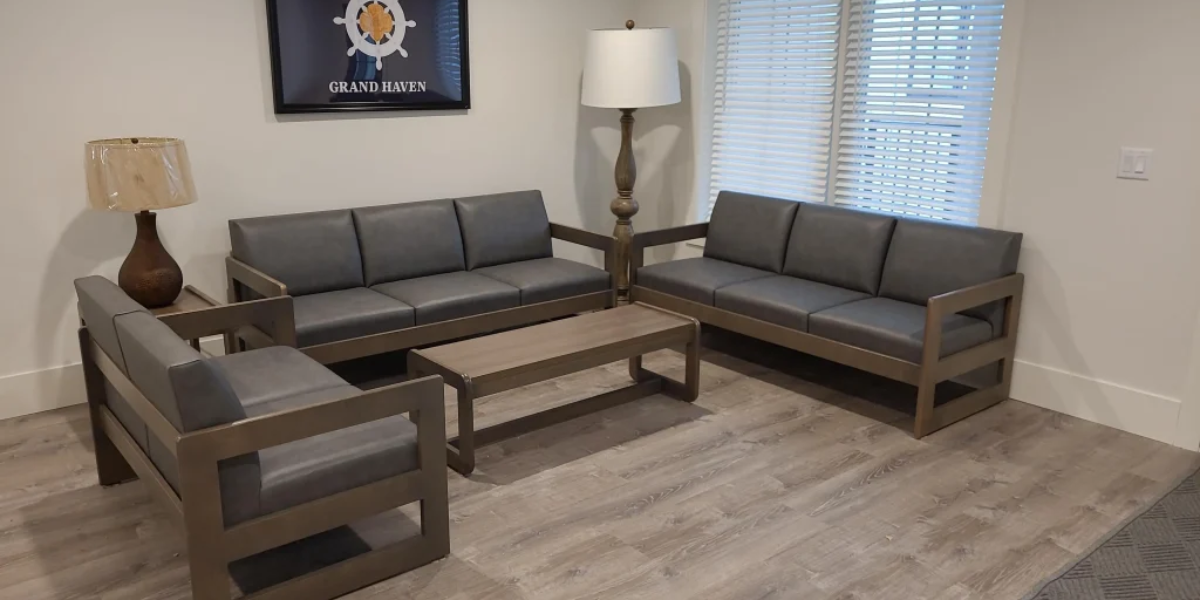
Furniture standards are documented requirements that guide how an organization selects, purchases, installs, maintains, & replaces furniture. They may cover materials, dimensions, construction quality, safety features, finishes, & approved product categories.
For organizations operating multiple locations, furniture standardization creates a consistent foundation for purchasing decisions without requiring every facility to use identical furnishings.
A useful standards guide helps organizations:
- Maintain consistent furniture quality across locations.
- Establish clear safety and durability expectations.
- Simplify product selection & purchasing approvals.
- Reduce unnecessary variations in furniture orders.
- Plan maintenance and replacements more effectively.
- Support a recognizable, comfortable environment for residents.
For example, a healthcare organization operating several treatment centers may establish one approved seating range for general waiting areas while requiring specialized furniture for higher-risk patient spaces.
The locations maintain a consistent purchasing process while accommodating different clinical and operational needs.
Step 1: Assess Existing Furniture Across Every Facility
Before developing new multi-facility furniture standards, start by understanding what is already in use.
A furniture inventory helps identify which products perform well, which frequently require repairs, & where purchasing inconsistencies exist.
Review Furniture by Room and Function
Organize the assessment by furniture type and room purpose.
Review bedrooms, dining areas, waiting rooms, staff spaces, & communal areas separately.
For each location, document:
- Furniture categories and quantities.
- Manufacturer, model, and product specifications.
- Current condition and visible damage.
- Maintenance and replacement history.
- Cleaning and infection-control requirements.
- Accessibility and resident safety considerations.
- Available warranty information.
Identify Common Purchasing Problems
Look for recurring issues such as mismatched furniture dimensions, frequently damaged upholstery, unavailable replacement parts, or products unsuitable for high-use environments.
These findings provide a practical starting point for creating facility furniture guidelines that address existing problems rather than introducing unnecessary restrictions.
Step 2: Establish Core Furniture Specifications

Once the inventory is complete, establish minimum furniture specifications for each major product category.
These specifications should reflect how furniture will be used, who will use it, and the conditions it must withstand.
Define Material and Construction Requirements
Different materials offer different benefits.
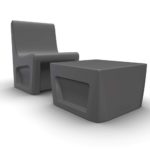
Metal furniture may suit environments where robust construction & frequent cleaning are priorities. Molded plastic furniture can be useful in certain high-use settings, while commercial-grade upholstered seating may provide additional comfort in reception and communal areas.
When developing standards, evaluate:
- Frame strength & stability.
- Upholstery durability.
- Surface resistance to routine cleaning.
- Hardware accessibility & tamper concerns.
- Product dimensions & weight capacity.
- Ease of maintenance and replacement.
Organizations can also refer to our guide on selecting furniture materials for long-lasting use when comparing options for healthcare and residential facilities.
Document Approved Product Categories
Rather than approving furniture based solely on appearance, establish measurable criteria for each category.
| Furniture Category | Recommended Standards to Document | Primary Consideration |
|---|---|---|
| Beds | Frame construction, dimensions, weight capacity, cleanability | Resident safety and durability |
| Chairs | Stability, seat height, load rating, upholstery | Comfort and frequent use |
| Tables | Surface durability, dimensions, base stability | Daily functionality |
| Storage furniture | Construction, hardware, access controls | Storage needs and risk management |
| Lounge furniture | Upholstery performance, cleanability, construction | Comfort and maintenance |
These specifications create a consistent foundation for purchasing while allowing different models to be selected when necessary.
Step 3: Include Safety, Accessibility, and Compliance Requirements
A comprehensive Furniture Standards Guide should distinguish between general commercial performance requirements & facility-specific safety obligations.
Apply Relevant Commercial Furniture Standards
Organizations purchasing institutional furnishings should review applicable Commercial Furniture Standards.
For example, BIFMA’s furniture standards descriptions explain voluntary performance standards for commercial furniture, including durability, stability, & structural performance.
Depending on the furniture category, buyers may request relevant test documentation from manufacturers or suppliers.
However, a product meeting a commercial testing standard is not automatically suitable for every healthcare or high-risk environment.
Include Accessibility Requirements
Furniture placement must also support accessible spaces.
The 2010 ADA Standards for Accessible Design address accessible routes, clear floor spaces, & relevant requirements for dining & work surfaces.
For example, the standards generally specify a minimum 30 x 48-inch clear floor space where such clear floor space is required. The exact requirements depend on the application.
Your guide should require teams to verify accessible room layouts rather than judging furniture accessibility from product dimensions alone.
Address Behavioral Healthcare Safety
For facilities supporting individuals with behavioral health concerns, Furniture Safety Standards require additional consideration.
The Joint Commission’s environmental risk assessment guidance addresses identifying environmental elements that could be used to cause harm in applicable behavioral healthcare settings.
Furniture selection may need to consider ligature risks, tampering, movable objects, anchoring, and other hazards identified through a facility-specific assessment.
At Furniture Concepts, our behavioral healthcare furniture solutions include options designed to address different environmental and resident needs.
Every facility should review its own risk assessment, regulatory requirements, and manufacturer documentation before approving a product.
Step 4: Create Different Standards for Different Facility Types
One challenge in Multi-Facility Furniture Standards is balancing consistency with practical flexibility.
A shelter, behavioral healthcare unit, and residential treatment center may share purchasing processes but require different product features.
| Facility Type | Furniture Priorities | Potential Additional Requirements |
|---|---|---|
| Behavioral healthcare | Safety, stability, comfort | Ligature-risk assessment and tamper-resistant features |
| Group homes | Durability, accessibility, residential appearance | Mobility support and maintenance |
| Transitional housing | Heavy-use performance, cleanability | Replacement availability and storage |
| Residential treatment centers | Comfort, practicality, long-term use | Program-specific safety requirements |
| Healthcare waiting areas | Seating comfort, hygiene, accessibility | Bariatric seating and cleaning compatibility |
The most practical approach is to create two levels of standards.
Organization-wide standards establish minimum expectations for construction, purchasing documentation, maintenance, and product approval.
Facility-specific standards address clinical needs, resident populations, room layouts, & assessed risks.
This approach helps avoid unnecessary product variation without compromising local requirements.
Step 5: Develop Consistent Furniture Procurement Standards
Once product requirements are defined, the next step is creating a purchasing process that all locations can follow.
Strong Furniture Procurement Standards help purchasing teams compare products using the same criteria.
Create an Approved Furniture List
Maintain a centralized list that includes:
- Approved manufacturers and suppliers.
- Product names & model numbers.
- Available finishes & upholstery options.
- Required performance documentation.
- Warranty conditions.
- Expected lead times.
- Approved alternatives when products become unavailable.
This list can become the foundation of a repeatable multi-site furniture procurement process.
Evaluate the Total Cost of Ownership
Initial purchase price should be considered alongside expected maintenance, cleaning, delivery, & replacement expenses.
For example, consider two hypothetical seating options:
| Cost Factor | Chair A | Chair B |
|---|---|---|
| Initial purchase price | $180 | $275 |
| Planned service period | 4 years | 8 years |
| Estimated annual maintenance | $20 | $10 |
| Estimated eight-year cost per seating position | $520 | $355 |
Illustrative calculation only. Chair A assumes one replacement after four years; Chair B assumes no replacement during the eight-year period. Actual product life and costs vary.
In this example, the chair with the higher purchase price has the lower estimated ownership cost over eight years.
A consistent wholesale furniture procurement strategy can help organizations assess these long-term considerations.
Step 6: Build a Furniture Standards Checklist for Every Location

A centralized checklist makes the guide easier to follow during purchasing, inspections, & replacement planning.
Use the following template to document essential requirements.
| Standards Area | Checklist Requirement | Responsible Team |
|---|---|---|
| Product approval | Confirm that items match approved specifications | Procurement |
| Safety | Review applicable risk assessments | Safety or clinical team |
| Accessibility | Verify product placement and room clearances | Facilities team |
| Material selection | Confirm construction and cleaning suitability | Facilities and operations |
| Budget | Evaluate purchase and ownership costs | Finance and procurement |
| Delivery | Check access, receiving, and installation requirements | Site operations |
| Warranty | Store documentation and service contacts | Procurement |
| Maintenance | Establish inspection and cleaning procedures | Facilities team |
This checklist can be included in purchasing requests and project documentation.
Establish an Exception Approval Process
Not every location will be able to use the same furniture model.
When exceptions are necessary, require the requesting facility to document:
- Why the approved product is unsuitable.
- Which alternative product is being proposed.
- Whether the alternative meets applicable safety requirements.
- How pricing & maintenance compare.
- Who has authority to approve the change.
Documenting exceptions helps maintain accountability and creates useful information for future updates.
Step 7: Establish Furniture Maintenance and Replacement Standards
A furniture guide should remain useful after products have been delivered.
Consistent Furniture Maintenance Standards help teams identify problems before they require larger purchasing decisions.
Establish Routine Inspection Procedures
Create inspection schedules based on furniture type, usage, & facility risk.
Staff should check for damaged frames, unstable components, torn upholstery, loose hardware, and surfaces that can no longer be cleaned effectively.
Items presenting immediate safety concerns should be evaluated and removed from use when appropriate.
Plan Replacements Before Furniture Fails
A structured furniture replacement planning process can improve purchasing coordination across locations.
Instead of waiting until multiple products become unusable, facilities can track furniture age, repair frequency, & condition.
Our article on creating a rapid furniture replacement plan discusses ways organizations can prepare for unexpected replacement needs.
For larger organizations, replacement schedules may also create opportunities to coordinate ordering and delivery across facilities.
Step 8: Maintain a Central Furniture Standards Document
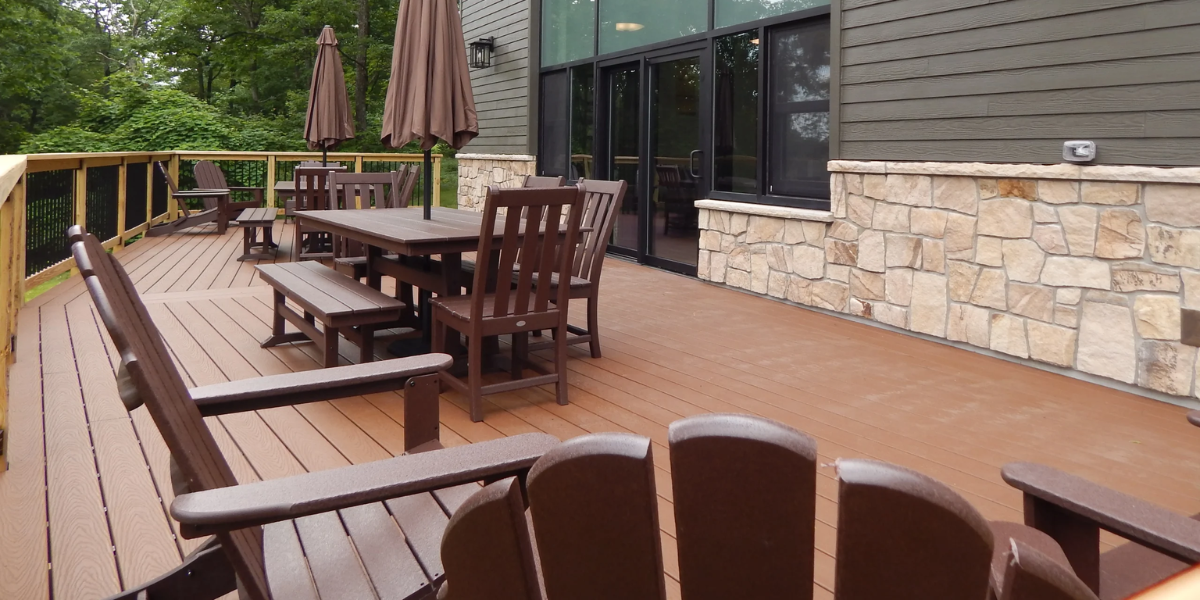
A Furniture Standards Guide works best when all teams use the same current version.
A shared document or centrally managed system can include approved product information, purchasing procedures, inspection schedules, & revision records.
Assign Clear Responsibilities
Select a designated person or team to manage the guide.
Responsibilities may include reviewing proposed products, communicating changes, approving exceptions, & collecting feedback from facilities.
Review Standards Regularly
Consider conducting a formal review annually & whenever significant operational or regulatory changes occur.
Review questions might include:
- Are approved products performing as expected?
- Have facilities reported recurring damage?
- Have safety or accessibility requirements changed?
- Are approved models still available?
- Can standard specifications be improved?
For organizations using specialized contract furniture, supplier communication can help identify product changes & available alternatives.
The goal is to keep the guide relevant as facilities expand, programs change, and furniture reaches the end of its useful life.
Common Mistakes to Avoid When Creating Furniture Standards
Even detailed institutional furniture standards may be difficult to implement if practical issues are overlooked.
Applying identical specifications to every location: Standardize purchasing principles, but allow documented differences for clinical & operational needs.
Choosing products based solely on price: Consider construction quality, replacement frequency, cleaning needs, & warranty support.
Leaving facility staff out of decisions: Staff members can provide valuable feedback about cleaning, accessibility, & frequent product damage.
Failing to document approved alternatives: A backup product list can reduce disruption when a particular model becomes unavailable.
Not updating the standards guide: A document that references discontinued furniture or outdated requirements can create purchasing delays.
Conclusion
Developing clear furniture standards helps organizations make informed purchasing decisions across multiple locations. By documenting product requirements, evaluating safety, coordinating procurement, & planning maintenance, facility managers can create a more consistent approach to furniture management.
The strongest standards balance organization-wide expectations with the needs of each facility.
At Furniture Concepts, we understand that behavioral healthcare organizations, group homes, shelters, and treatment centers face different furniture challenges. Our selection of Durable Furniture for Facilities helps organizations explore options suited to demanding residential and healthcare settings.
Whether you are opening a new location, updating existing furnishings, or coordinating purchases across several facilities, our team can help you evaluate suitable furniture options.
Contact us to discuss your furniture needs & simplify your next multi-facility purchasing project.
Frequently Asked Questions
What Should a Furniture Standards Guide Include?
A Furniture Standards Guide should include approved furniture categories, material specifications, safety considerations, accessibility requirements, supplier information, purchasing procedures, maintenance expectations, and replacement guidelines. It should also explain how facilities request exceptions.
How Can Organizations Standardize Furniture Across Multiple Locations?
Organizations can establish centralized purchasing requirements, approved product lists, shared documentation, and consistent approval procedures. Individual facilities can then select appropriate products within those guidelines based on their operational requirements.
Are Commercial Furniture Standards Mandatory for Every Facility?
Not all commercial furniture standards are legally mandatory. Requirements depend on the product, facility, jurisdiction, and applicable regulations. Organizations should distinguish voluntary performance standards from mandatory building, accessibility, fire safety, and healthcare requirements.
How Often Should Furniture Standards Be Updated?
Annual reviews are a practical starting point. Organizations should also update their guidelines when product specifications, supplier availability, regulatory requirements, or facility needs change.
Can One Furniture Supplier Support Different Facility Requirements?
A supplier offering multiple product categories may help organizations coordinate purchases across different facility types. However, each product should still be evaluated for its intended environment, safety requirements, and operational suitability.