







How to Create a Furniture Lifecycle Plan for High-Use Facilities
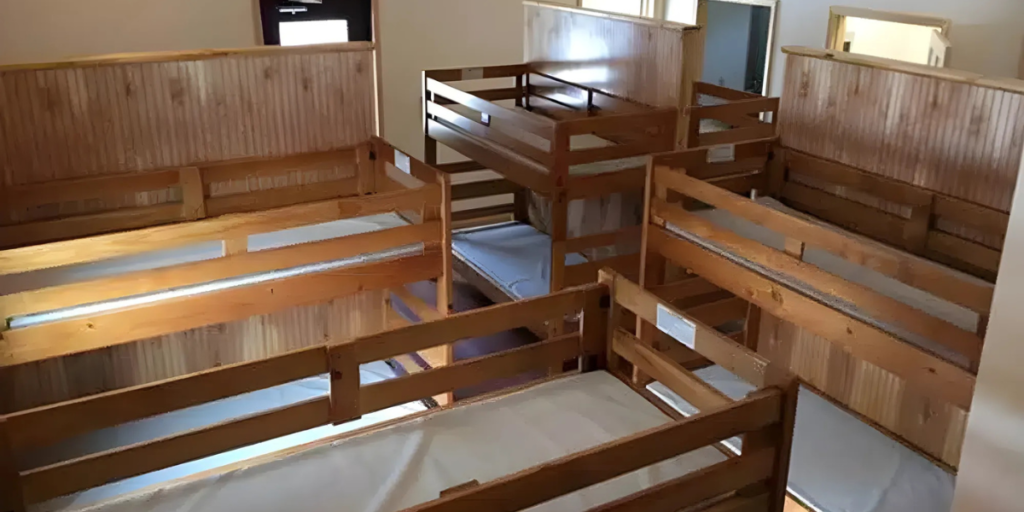
Furniture in high-use facilities experiences constant wear from daily activity, cleaning, movement, & repeated occupancy. A chair that performs well in a private office may deteriorate much faster in a busy shelter, behavioral healthcare facility, or residential treatment center.
Without a structured furniture lifecycle strategy, facility managers may face unexpected replacement costs, frequent repairs, and interruptions to daily operations.
A practical furniture lifecycle plan helps you track furniture condition, schedule maintenance, identify replacement priorities, and prepare budgets before major problems arise.
This guide explains how to create a workable plan for high-use facility furniture, from the initial inventory to long-term replacement decisions.
What Is a Furniture Lifecycle Plan?
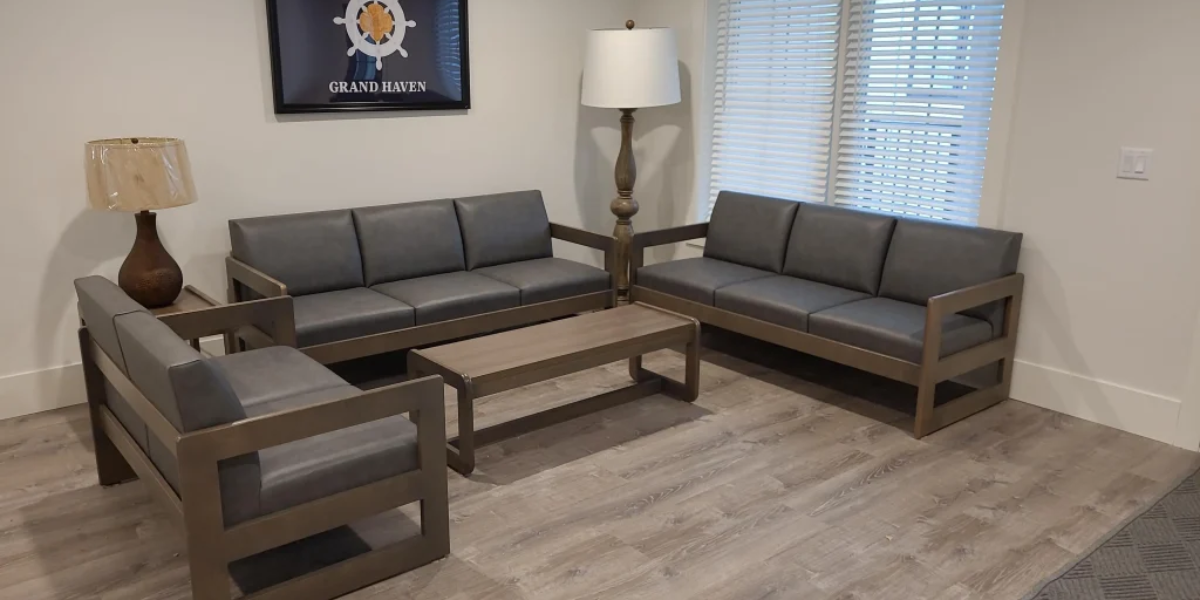
A furniture lifecycle plan is a documented approach to managing furniture from purchase and installation through inspection, maintenance, repair, replacement, and disposal.
It helps facility managers understand which furniture pieces remain suitable for everyday use, which require attention, & when replacement should become part of the budget.
Effective furniture lifecycle management generally covers five stages:
- Selection and procurement: Choose furniture based on expected use, durability, safety, & maintenance requirements.
- Installation and documentation: Record product information, installation dates, warranties, and locations.
- Inspection and maintenance: Check furniture condition & carry out appropriate preventive maintenance.
- Repair and replacement: Address damage and determine when continued use is no longer practical or safe.
- Retirement and renewal: Remove unsuitable furniture and update purchasing plans using information gathered throughout its service life.
For high-traffic environments, these stages create a more predictable process for managing furniture expenses and operational needs.
Why Furniture Lifecycle Management Matters in High-Use Facilities
Furniture in shelters, group homes, healthcare settings, & treatment centers faces different demands from furniture used in conventional residential spaces.
Frequent occupant changes, intensive cleaning routines, and daily movement place additional pressure on frames, upholstery, joints, and surfaces.
A structured facility furniture management approach helps organizations respond to these conditions without relying entirely on emergency purchases.
Improve Furniture Safety and Reliability
Regular furniture safety inspections help staff identify loose components, damaged surfaces, unstable frames, & other conditions that may affect safe use.
Safety requirements can vary significantly between facility types. Behavioral healthcare settings, for example, may require additional attention to tampering risks, sharp edges, and the suitability of furniture for specific patient populations.
Control Maintenance and Replacement Costs
An established furniture maintenance plan helps you identify manageable wear before it develops into a larger repair or replacement expense.
It also supports better financial decisions by comparing repair costs, expected remaining service life, and the price of suitable replacement furniture.
Support Cleaning and Daily Operations
Furniture surfaces should be compatible with the cleaning procedures used in their intended setting.
The CDC’s guidance on healthcare environmental cleaning programs recommends considering cleanability, durability, maintainability, and resistance to damage when selecting furnishings for patient-care environments.
Facilities should therefore account for cleaning requirements when assessing both new and existing furniture.
How to Create a Furniture Lifecycle Plan in 7 Steps
A practical process for facility managers, procurement teams, and program directors
Step 1: Build a Complete Furniture Asset Inventory
Start by documenting the furniture currently used throughout your facility.
A furniture asset inventory should include essential information about each item or standardized furniture group.
| Inventory Field | Information to Record |
|---|---|
| Furniture type | Bed, chair, table, dresser, or storage unit |
| Location | Room number, department, or common area |
| Purchase date | Original purchase or installation date |
| Product details | Manufacturer, model, and material |
| Current condition | Good, fair, poor, or unsafe |
| Maintenance history | Previous repairs and service dates |
| Warranty | Coverage details and expiration date |
| Replacement priority | Low, medium, high, or immediate |
Assigning an inventory ID to each item makes it easier to track furniture across rooms and buildings.
For facilities operating multiple locations, maintaining a centralized spreadsheet or asset management system can reduce duplicate purchasing & improve inventory visibility.
Step 2: Assess Furniture Condition and Safety
After completing the inventory, conduct a furniture condition assessment.
Examine the structural integrity, surface condition, stability, usability, and cleaning requirements of each furniture category.
Check for:
- Loose joints, fasteners, or structural connections.
- Cracked or damaged furniture surfaces.
- Torn upholstery or exposed cushion materials.
- Unstable beds, chairs, & tables.
- Broken drawers, hinges, or storage components.
- Damage that prevents effective cleaning.
Use a consistent furniture inspection checklist to document observations and corrective actions.
In higher-risk settings, involve the appropriate clinical, safety, or facilities personnel when evaluating whether damaged furniture remains suitable for use.
Furniture presenting an immediate hazard should be removed from use until it has been properly assessed and addressed.
Step 3: Establish a Preventive Furniture Maintenance Schedule
A preventive furniture maintenance program helps reduce avoidable damage and supports the continued usability of furnishings.
Instead of scheduling every item for the same inspection frequency, consider how often each furniture category is used and the consequences of failure.
| Suggested Interval | Maintenance Activity |
|---|---|
| Daily | Report visible damage or instability during routine use |
| Monthly | Inspect heavily used seating, beds, and tables |
| Quarterly | Review furniture condition and outstanding repair requests |
| Annually | Conduct a full inventory audit and replacement planning review |
These are suggested planning intervals, not universal regulatory requirements. Adjust them to the facility’s risk assessment, product instructions, and operating conditions.
Appropriate furniture maintenance for high-traffic facilities may include tightening approved components, inspecting finishes, maintaining upholstery, & following manufacturer-approved cleaning procedures.
For additional guidance, see Furniture Concepts’ article on how to prolong the life of group home furniture fabric.
Step 4: Create a Furniture Repair vs. Replacement Policy
One of the most important parts of furniture replacement planning is deciding when an item should be repaired and when it should be replaced.
Consider four questions:
- Can the furniture be safely restored to its intended condition?
- Will the repair preserve the item’s required performance and safety characteristics?
- Is the expected remaining service life sufficient to justify the repair?
- Would replacement provide better long-term value?
A simple decision framework can help staff make consistent recommendations.
| Furniture Condition | Recommended Action |
|---|---|
| Minor cosmetic wear | Maintain or refinish when appropriate |
| Replaceable cushion damage | Consider manufacturer-approved cushion replacement |
| Repairable structural issue | Obtain a qualified assessment before returning to use |
| Repeated failures or extensive deterioration | Evaluate replacement |
| Immediate safety concern | Remove from use and arrange assessment or replacement |
Avoid automatically repairing furniture with damaged structural components, particularly in behavioral healthcare or other higher-risk environments.
For additional guidance, read our article on creating a rapid furniture replacement plan.
Step 5: Develop a Furniture Replacement Schedule
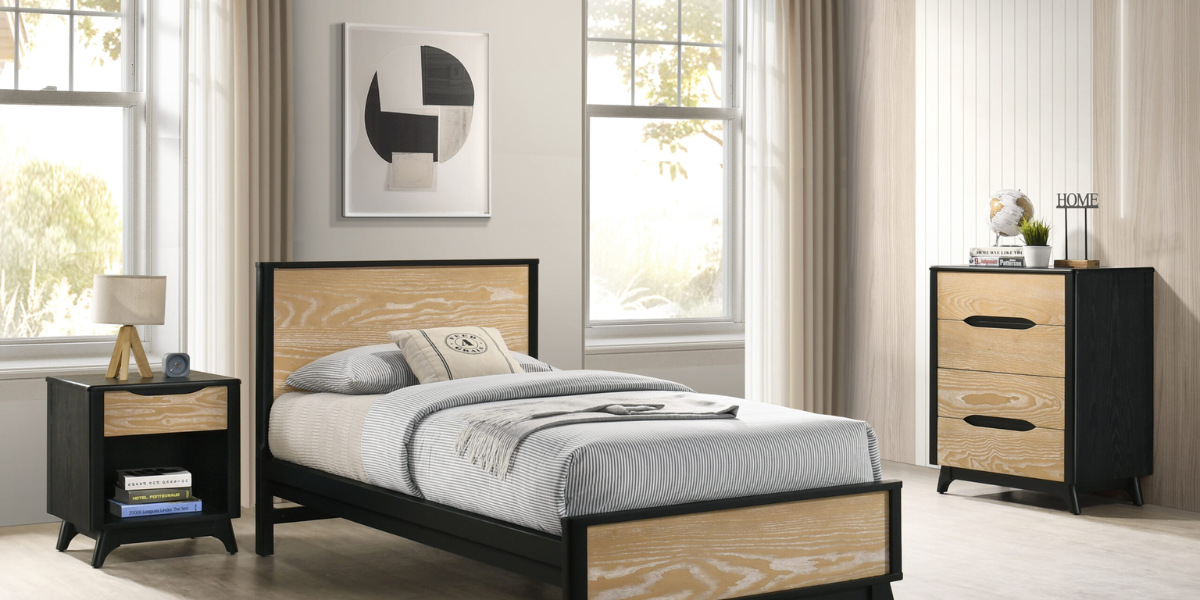
A furniture replacement schedule helps facility managers anticipate future purchases instead of responding only when furniture fails.
Start by grouping furniture into categories such as
- Resident beds & bedroom furniture.
- Common-area seating and lounge furniture.
- Dining tables and chairs.
- Office and administrative furniture.
- Storage cabinets and wardrobes.
For each category, estimate the remaining useful life using actual condition, maintenance history, manufacturer guidance, and the intensity of use.
Avoid assigning a universal lifespan to every chair or bed. Furniture performance depends on materials, construction, frequency of use, and the environment.
Review replacement priorities annually, & update them whenever inspections identify significant deterioration or changing facility needs.
Step 6: Calculate the Total Cost of Furniture Ownership
The purchasing price is just one component of the furniture total cost of ownership.
A complete evaluation should consider:
- Initial purchase and delivery costs.
- Installation & assembly expenses.
- Cleaning and routine maintenance.
- Repairs and replacement components.
- Operational disruption caused by furniture downtime.
- Disposal and final replacement expenses.
For practical furniture budgeting for facilities, calculate the annualized cost of ownership:
Annualized furniture cost = (Purchase + Installation + Maintenance + Repairs + Disposal − Residual Value) ÷ Years of service
For example, consider two hypothetical chair options.
| Cost Factor | Chair A | Chair B |
|---|---|---|
| Initial purchase | $200 | $350 |
| Expected useful life | 3 years | 7 years |
| Estimated lifetime maintenance | $90 | $140 |
| Total estimated cost | $290 | $490 |
| Annualized cost | $96.67 | $70.00 |
Illustrative comparison only. Figures exclude installation, disposal, downtime, and residual value, which are assumed equal or zero.
Although Chair B has a higher initial price, its estimated annual cost is lower under these assumptions.
This illustrates why assessing the lifecycle cost of commercial furniture can produce better purchasing decisions than comparing upfront prices alone.
For related purchasing considerations, explore our guide to balancing furniture budgets and quality.
Step 7: Review and Update Your Lifecycle Plan Annually
A commercial furniture lifecycle strategy should change as facility conditions evolve.
Review your plan against actual spending, inspection findings, replacement frequency, and changes in resident or patient needs.
Useful indicators include:
- Annual furniture repair spending.
- Number of items replaced unexpectedly.
- Furniture removed from service because of safety concerns.
- Maintenance requests by furniture category.
- Average service life of frequently replaced products.
- Planned versus unplanned replacement expenses.
When a specific product type repeatedly requires maintenance, investigate the cause before purchasing identical replacements.
The problem may involve unsuitable construction, an incompatible surface material, improper usage, or maintenance practices that do not match manufacturer instructions.
How to Choose Durable Furniture That Supports Long-Term Use
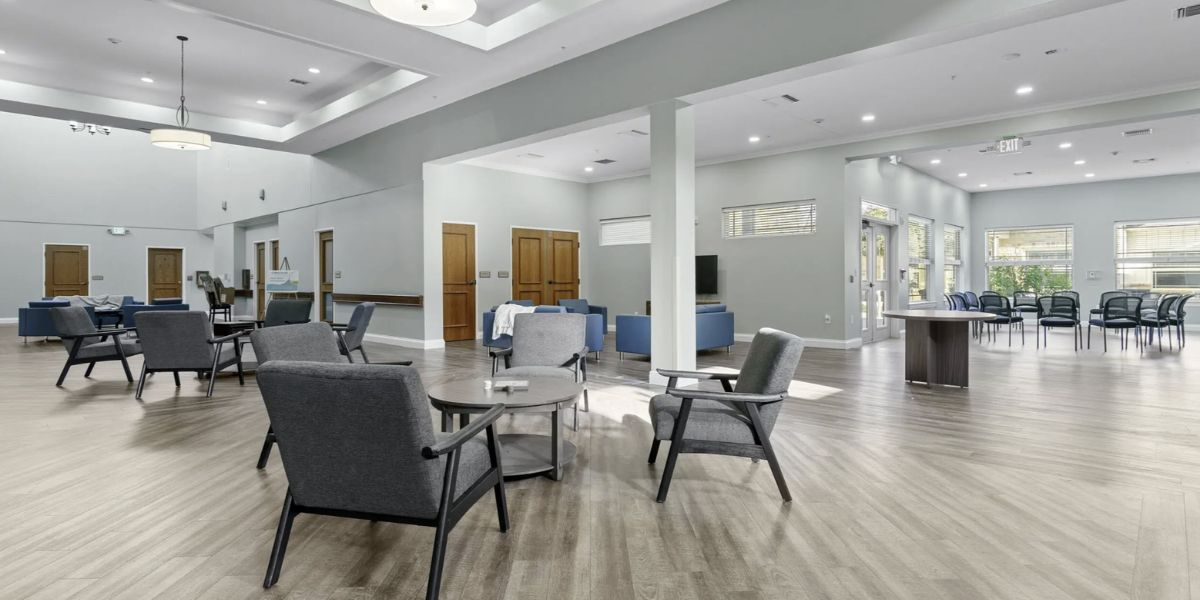
Successful lifecycle management begins before furniture is purchased.
When developing a furniture procurement strategy, compare construction quality, cleaning requirements, product support, and suitability for the intended environment.
Select Materials Based on Daily Use
Different materials offer different advantages.
Metal frames may be suitable where structural strength and repeated use are important. Molded plastic furniture can provide durable, cleanable surfaces for certain high-use applications. Commercial-grade upholstery may support comfort where upholstered seating is appropriate.
The right choice depends on the facility’s specific requirements rather than the material alone.
Our guide to rotomolded, metal, and wood furniture provides additional information about material selection.
Account for Cleaning and Surface Durability
Cleaning compatibility should influence furniture selection, particularly in healthcare environments.
The CDC’s environmental infection control recommendations discuss maintaining upholstery in good repair & addressing torn or damaged coverings that may complicate cleaning.
Consider manufacturer-approved cleaning agents, upholstery construction, seams, and replaceable components before choosing furniture for areas with frequent cleaning requirements.
Confirm Accessibility and Appropriate Product Specifications
Facilities must also consider accessibility, weight capacity, and the needs of their intended users.
The U.S. Access Board’s ADA Accessibility Standards provide requirements for accessible dining and work surfaces in covered settings.
Check applicable requirements and consult qualified personnel where specialized accessibility or safety considerations apply.
Common Mistakes That Shorten Furniture Lifespan
Even a well-designed furniture lifecycle plan can become ineffective when routine management practices are overlooked.
Waiting Until Furniture Fails
Replacing furniture only after a major failure can create avoidable disruption. Routine inspections and timely repairs help identify problems earlier.
Choosing Furniture Based Only on Price
Low purchase prices do not always translate into lower long-term costs. Consider expected durability, maintenance requirements, and replacement frequency.
Using the Same Furniture Specifications Everywhere
Common areas, resident bedrooms, dining spaces, and higher-risk clinical settings can have significantly different furniture requirements.
Standardize products where practical, but allow for differences in safety, accessibility, & daily use.
Overlooking Replacement Parts and Warranty Coverage
Before purchasing, verify the availability of replacement cushions, components, & manufacturer support.
Where appropriate, replacing a worn component may help extend furniture lifespan without replacing an otherwise serviceable item.
Conclusion
A successful furniture lifecycle strategy combines accurate inventory records, regular inspections, preventive maintenance, and realistic replacement budgeting.
By tracking condition and understanding long-term ownership costs, facility managers can make better decisions about when to maintain, repair, or replace furniture.
At Furniture Concepts, we help organizations explore contract furniture for healthcare facilities, shelters, behavioral healthcare programs, and group-living environments.
Whether you are replacing worn furnishings or planning a larger facility upgrade, selecting furniture suited to the demands of your environment is an important starting point.
Contact us to discuss durable furniture options that support your operational requirements and long-term purchasing plans.
Frequently Asked Questions
What Is a Furniture Lifecycle Plan?
A furniture lifecycle plan is a structured process for managing furniture from purchase and installation to maintenance, repair, and replacement. It helps high-use facilities monitor furniture condition, plan budgets, improve safety, and make informed decisions about extending furniture lifespan.
How Often Should Furniture Be Inspected in High-Use Facilities?
Furniture in high-use facilities should be inspected regularly based on usage, condition, and safety requirements. Monthly inspections may be appropriate for heavily used items, while comprehensive assessments can be conducted annually. Higher-risk environments may require more frequent checks.
How Long Does Commercial Furniture Typically Last?
The lifespan of commercial furniture depends on its construction, materials, usage, and maintenance. Heavy-duty furniture designed for institutional environments may last longer than standard residential furniture under comparable conditions. Regular inspections and preventive maintenance can help extend its usable life.
When Should Facility Managers Replace Furniture Instead of Repairing It?
Furniture should be considered for replacement when structural damage, repeated repairs, safety concerns, or excessive maintenance costs make continued use impractical. Facility managers should compare repair expenses, remaining service life, and replacement costs before making a decision.
What Factors Affect the Total Cost of Furniture Ownership?
The total cost of furniture ownership includes purchase price, delivery, installation, cleaning, maintenance, repairs, and eventual replacement or disposal. Evaluating these expenses over the furniture’s expected service life helps facilities select cost-effective furnishings and establish realistic replacement budgets.
How Can Facilities Extend the Lifespan of Their Furniture?
Facilities can extend furniture lifespan through regular inspections, manufacturer-approved cleaning, preventive maintenance, and timely repairs. Selecting durable institutional furniture designed for the intended environment also helps reduce premature wear and unnecessary replacements.
What Type of Furniture Is Best for High-Use Facilities?
The best furniture for high-use facilities depends on daily activities, occupant needs, cleaning requirements, and safety considerations. Commercial-grade metal, molded plastic, and durable wood furniture can be appropriate for different applications. Choose products based on their suitability for the specific environment.