








Laminate vs. Solid Wood Furniture for Behavioral Health Facilities
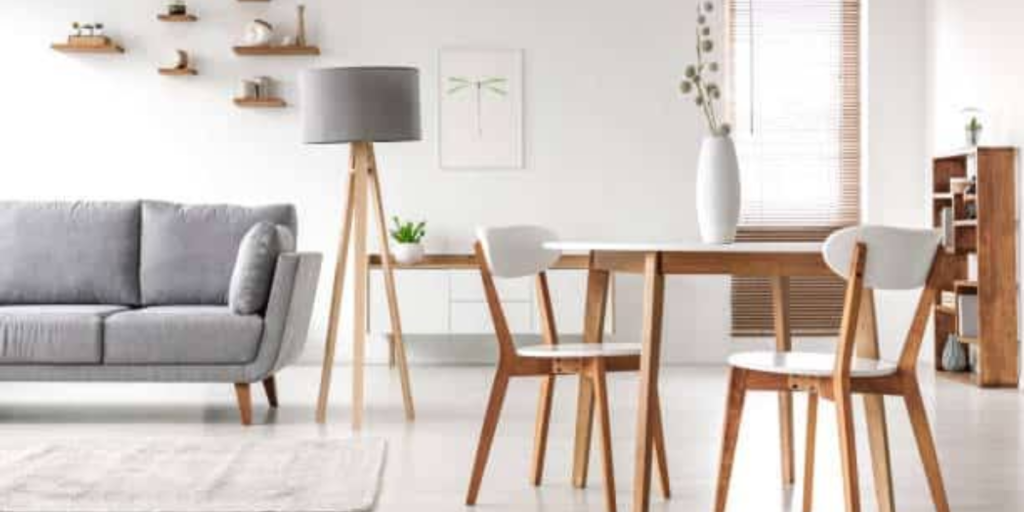
A chipped edge. An exposed fastener. A surface that soaks up whatever spills on it. In most settings, these are cosmetic annoyances. In a behavioral health facility, they’re maintenance headaches, sanitation risks & in some rooms, actual safety concerns.
Facility managers comparing laminate furniture & solid wood furniture for behavioral health facilities aren’t just picking a look. They’re weighing cleanability, tamper resistance, structural durability, repairability, patient comfort, and total ownership cost against each other, and the initial price tag is usually the least important number on that list.
This blog breaks down what actually separates laminate & solid wood behavioral health furniture, how each performs under real infection control and safety scrutiny, and how to choose room by room. One thing worth saying up front: surface material by itself doesn’t make a product ligature-resistant, tamper-resistant, or suitable for a high-risk space. That comes down to design.
What is the difference between laminate furniture and solid wood furniture?
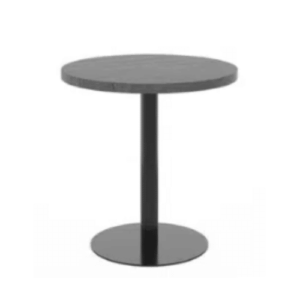
People often talk about “laminate furniture” as if it’s one product. It isn’t, and treating it that way leads to bad purchasing decisions.
What is laminate furniture?
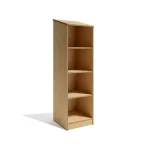
Laminate furniture is a decorative, protective surface bonded to a core or substrate, not the entire structure of the piece. High-pressure laminate, or HPL, is manufactured by fusing layers of resin-saturated paper under heat & pressure into a hard, wear-resistant sheet, then adhering it to a substrate like particleboard or plywood.
Within that category, you’ll find conventional laminated panels, full-laminate casegoods, and solid-grade or compact laminate, and these aren’t interchangeable. A budget laminate panel and a compact laminate panel rated for wet, high-traffic environments can look nearly identical while performing very differently over five years.
What actually matters:
- Substrate density
- Edge treatment
- Seam placement
- Adhesive performance
- Moisture resistance
- Hardware attachment
Furniture Concepts offers woodgrain high-pressure laminate options and full-laminate casegoods as part of its dining furniture line, though the specifications of any individual product should be confirmed before assuming it fits a specific risk level.
What is solid wood furniture?
Solid wood furniture means the visible structural components are actual wood, not veneer over particleboard or an engineered wood product with a wood-look surface. Species, thickness, grain direction, moisture content, joinery, & finish all affect how the piece performs.
For behavioral health applications, the joinery details matter more than most buyers expect:
- Dowel joinery
- Mortise-and-tenon joints
- Reinforced corner blocks
- Heavy-duty hardware
- Catalyzed finishes
- UV-sealed finishes
Here’s a point worth repeating: wood furniture isn’t automatically heavy-duty just because it’s made from natural wood. A poorly joined solid wood chair can fail faster than a well-built laminate one. Furniture Concepts builds its solid wood pieces using hardwoods, reinforced joinery, moisture-resistant laminate components where appropriate & catalyzed finishes designed for repeated cleaning.
Laminate vs. solid wood furniture at a glance
| Decision Factor | Laminate Furniture | Solid Wood Furniture |
|---|---|---|
| Surface consistency | Uniform colors and woodgrain patterns | Natural variation in grain and color |
| Routine cleaning | Easy to wipe when seams and edges stay intact | Depends on the finish’s quality and condition |
| Moisture performance | Performs well when surfaces and edges remain sealed | Depends on sealing, finish integrity, and upkeep |
| Impact damage | Chipped edges or delamination can be hard to repair | Dents and scratches can sometimes be repaired or refinished |
| Structural strength | Set by the core, joints, and fasteners | Set by wood species, thickness, and joinery |
| Residential appearance | Consistent, reproducible wood tones | Authentic grain and natural texture |
| Tamper resistance | Depends on edge, seam, fastener, and panel design | Depends on joinery, hardware, and component design |
| Initial cost | Often more budget-friendly, depending on construction | Often a higher upfront investment |
| Lifecycle cost | Tied to edge integrity and replacement needs | Tied to finish care and repairability |
| Best use | Casegoods, desks, tabletops, and storage | Beds, seating frames, tables, and reinforced casegoods |
Comparing a bargain laminate unit against a commercial-grade solid wood piece isn’t a fair test of either material. The honest comparison only works when both products are built for the same application, risk level, load rating, & cleaning protocol.
Which material better supports infection control?
Cleaning laminate surfaces
A smooth, nonporous laminate face wipes down easily & holds up to routine disinfecting, right up until an edge chips, a seam opens, or delamination exposes the substrate underneath. At that point, the cleaning conversation changes completely.
Before assuming a laminate product is infection-control-ready, verify:
- Approved disinfectants
- Required contact times
- Bleach or peroxide compatibility
- Moisture resistance
- Edge-sealing method
Not every laminate product tolerates every hospital-grade chemical, & no laminate is inherently infection-proof.
Cleaning finished solid wood.
Properly sealed wood, particularly with catalyzed or UV-cured finishes, can absolutely provide a cleanable surface. Where it runs into trouble is worn coatings, deep scratches, open joints, or exposed grain, all of which create places for moisture and bacteria to sit. Follow the manufacturer’s approved cleaning instructions, and keep in mind that aggressive disinfectants can wear down some finishes faster than others over time.
Key takeaway: a surface is only as cleanable as its least-protected edge, seam, joint, or damaged spot. That’s true of laminate and solid wood alike.
Does laminate or solid wood provide better behavioral safety?
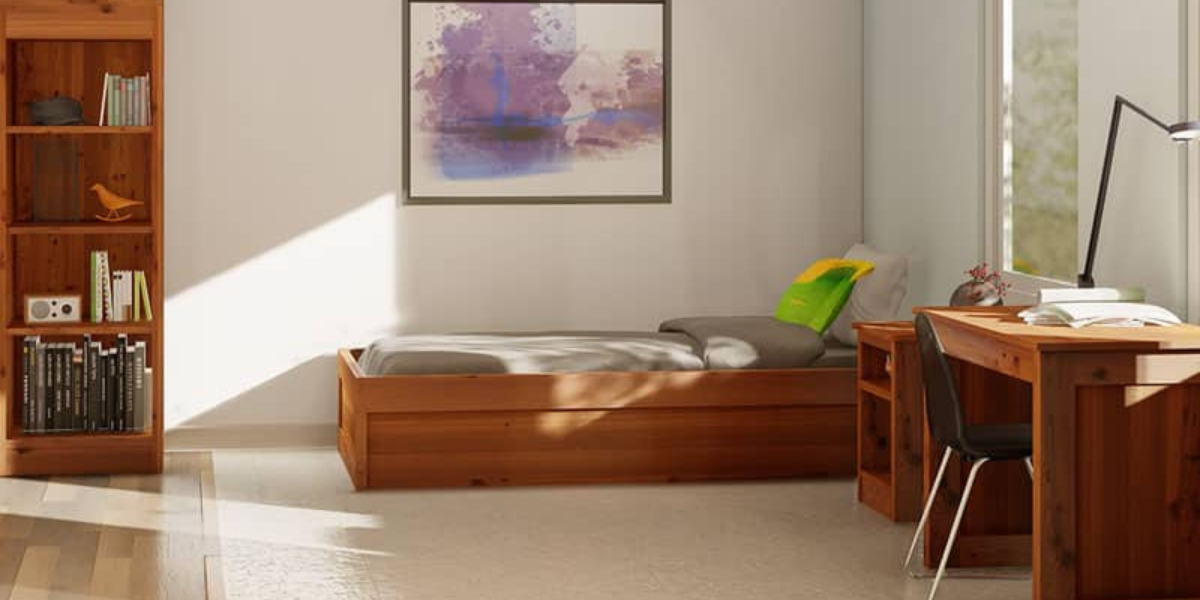
Ligature, tampering, and contraband risks
Ligature-resistant furniture doesn’t happen by accident. It requires intentional design decisions around protrusions, gaps between components, removable drawers or shelves, exposed fasteners, breakable panels, peelable edges, concealment voids, & accessible hardware.
Solid-grade laminate can reduce some edge-related risks compared to lower-grade panels, but it doesn’t automatically eliminate ligature or concealment concerns. And solid wood isn’t immune either: a solid wood piece with detachable parts, an open back, exposed hardware, or a vulnerable joint can be just as unsuitable for a high-risk room.
Weight, anchoring, and weaponization
There’s a common assumption that solid wood furniture is simply too heavy to lift or throw. That’s not reliable. Weight depends on dimensions, species, construction, & how the piece was designed, and plenty of solid wood furniture is lighter than people expect.
Where risk is a concern, weighted, bolted, ganged, or floor-mounted configurations matter more than the material itself; anchoring decisions should account for the room, supervision level, wall or floor construction, and emergency access, alongside rounded edges, smooth surfaces & tamper-resistant hardware.
Durability and repairability under heavy use
Broad claims like “laminate lasts longer” or “wood is stronger” don’t hold up well in practice. What matters is where each material actually fails.
Common laminate failure points: chipped or lifted edges, moisture penetration, delamination, damaged corners, hardware loosening in the substrate, scratching & gouging, & difficulty making a localized repair look seamless. Sometimes the whole panel, or the whole unit, needs replacing.
Common solid wood failure points: dents & scratches, finish wear, moisture damage once a coating fails, loose joints, split components, hardware pullout, & natural variation from environmental conditions. Sanding, refinishing, joint repair, or component replacement can often extend service life considerably.
Think about a nightstand in a frequently cleaned patient bedroom compared to a solid wood lounge chair in a supervised common area. Use frequency, cleaning demands, mobility, impact exposure, & repair access to all shift what makes sense in each spot.
Facility inspection checklist:
- Monthly edge inspection
- Loose-hardware check
- Finish condition
- Moisture swelling
- Sharp or broken areas
- New gaps or anchor points
- Signs of tampering
How to choose by room and patient risk level
| Area | Key Concerns | Material Direction |
|---|---|---|
| Patient bedroom | Privacy, ligature risk, concealment, fluids, and unsupervised use | Purpose-built laminate, solid wood, metal, or rotationally molded casegoods chosen through risk assessment |
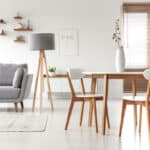
| Dining room | Cleaning frequency, impact, movement, and accessibility | Laminate or sealed wood tabletop with a heavy-duty base and suitable seating |
| Group therapy room | Comfort, visibility, flexibility, and repeated use | Reinforced wood-frame or other behavioral-health-rated seating matched to the supervision level |
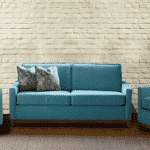
| Common lounge | Dignity, durability, cleanability, and movement | Residential-looking furniture with tamper-resistant, weighted, ganged, or anchored options where needed |
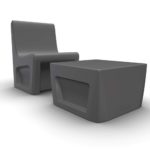
| Intake or crisis area | High agitation, impact, and weaponization | Higher-security, ligature-resistant, weighted, fixed, or rotationally molded products |
| Staff and admin area | Ergonomics and routine commercial use | Standard commercial laminate or wood, appropriate when patients don’t have unsupervised access |
A mixed-material specification usually beats forcing one material across an entire facility. A behavioral health campus might reasonably combine full-laminate casegoods in some bedrooms, solid wood seating in supervised common areas, HPL tabletops in dining & rotationally molded or specialized ligature-resistant products in the higher-risk spaces.
Laminate or solid wood: a five-step decision framework
- Classify the room. Identify privacy, supervision, patient access, & expected use.
- Complete the safety assessment. Review ligature, tampering, concealment, impact, & movement risks.
- Document cleaning conditions. List disinfectants, fluids, cleaning frequency, & infection-control expectations.
- Compare complete construction. Look at the surface, substrate, edges, joints, hardware, finish, weight, & installation, not just the material.
- Calculate lifecycle value. Weigh warranty, maintenance, repairability, lead time, & expected replacement needs.
Choose laminate when the specific product provides the cleanability, sealed construction, durability, & safety features the room requires. Choose solid wood when reinforced construction, repairability, and residential character fit the application better. Choose a specialized alternative when neither material adequately addresses the assessed risk.
Why choose Furniture Concepts for behavioral health furniture?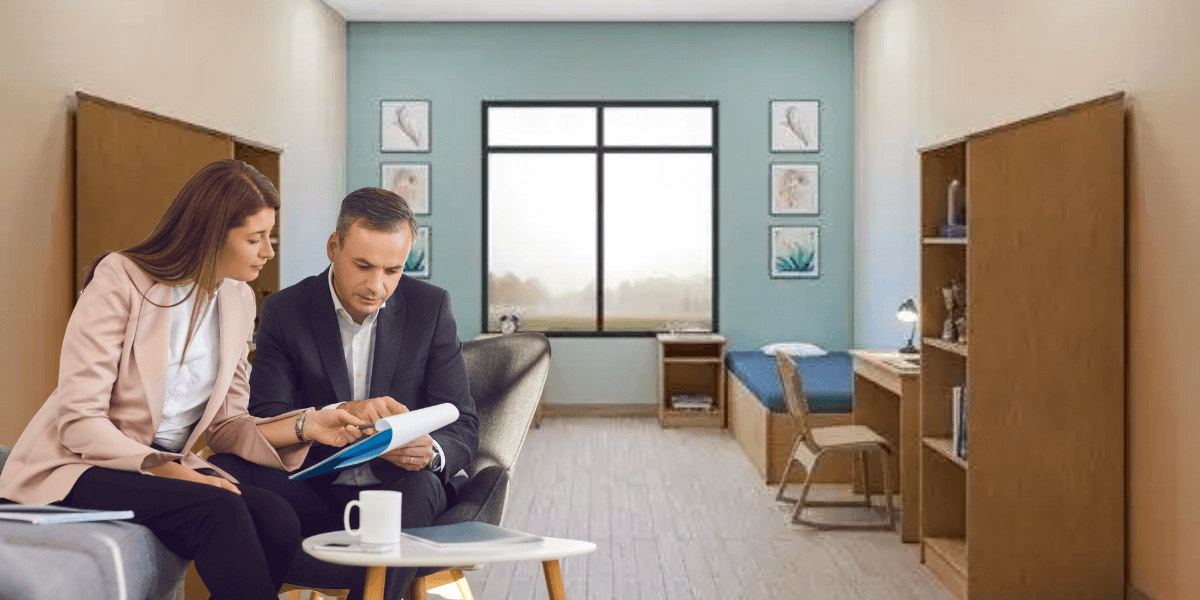
Furniture Concepts has spent more than 25 years supplying furniture for group-living and treatment environments, and that experience shows in how the product line is built out. The catalogue spans laminate furniture, solid wood furniture, and ligature-resistant furniture, covering beds and bedroom case goods, dressers, nightstands, wardrobes, dining tables and chairs, common-area seating and tables, and storage furniture.
Construction relies on quality hardwoods, reinforced joinery, durable hardware, moisture-resistant laminates, & protective wood finishes, with weighted, bolted, ganged, or floor-mounted options available where a room calls for them. Facilities can also select from a range of wood finishes, laminate colors, and fabrics to match their setting.
The Ohio-based team works directly with behavioral healthcare & group-living programs to guide product selection based on room function, patient population, cleaning needs, supervision level, safety concerns, and budget and supports bulk or wholesale purchasing along with quick-ship options for facilities under time pressure. If you’re weighing initial cost against maintenance, repairability, and long-term value, that’s exactly the kind of comparison Furniture Concepts helps facilities work through before they buy.
Conclusion
Laminate furniture can be a smart, practical choice for frequently cleaned casegoods, desks, storage units, & tabletops, as long as the edges, seams, & substrate are properly protected. Solid wood furniture can deliver durable construction, real repair potential, & a warmer, residential feel when the joinery & finish are done right.
Neither material wins outright. Every product needs to be assessed against the room’s supervision level, patient population, cleaning protocol & safety risks and evaluated as a complete piece, surface, frame, hardware, weight, anchoring options, and warranty, not judged on material alone. Many behavioral health facilities end up better served by a mixed-material approach across bedrooms, dining spaces, common areas, and higher-risk environments.
Furniture Concepts works with facilities to match products to these exact requirements. Contact us today to talk through your space and risk assessment before making a purchasing decision.
Frequently Asked Questions
Is laminate furniture suitable for behavioral health facilities?
It can be, particularly for casegoods, desks, tabletops, & storage in rooms with frequent cleaning needs, provided the specific product has sealed edges, a durable substrate, and construction rated for the room’s risk level.
Is solid wood furniture stronger than laminate furniture?
Not automatically. Strength depends on the wood species, thickness & joinery quality on the solid wood side, and the substrate & hardware attachment on the laminate side. A well-built laminate piece can outperform a poorly joined solid wood one.
Which material is easier to clean, laminate or solid wood?
Laminate is often easier to wipe down when its seams & edges remain intact, since the surface is smooth and nonporous. Properly sealed solid wood can also be cleanable, but its performance depends more heavily on the condition of the finish.
Is laminate furniture ligature-resistant?
Not by default. Ligature resistance comes from intentional design choices around protrusions, gaps, hardware, & component attachment, not from the surface material alone.
Can solid wood furniture be used in high-risk patient rooms?
Only when the specific piece is engineered for that risk level, with secure joinery, no detachable parts, no exposed hardware, and appropriate anchoring, standard residential-style solid wood furniture usually isn’t appropriate for these spaces.
Does laminate furniture resist hospital-grade disinfectants?
It depends on the individual product. Approved disinfectants, contact times, and chemical compatibility should be verified for each laminate product rather than assumed.
Can a behavioral health facility use both laminate and solid wood furniture?
Yes, & many facilities do. A mixed-material approach, matched to each room’s risk level & cleaning needs, is often more practical than standardizing on one material facility-wide