








Correctional Furniture vs. Behavioral Healthcare Furniture: What’s the Difference?
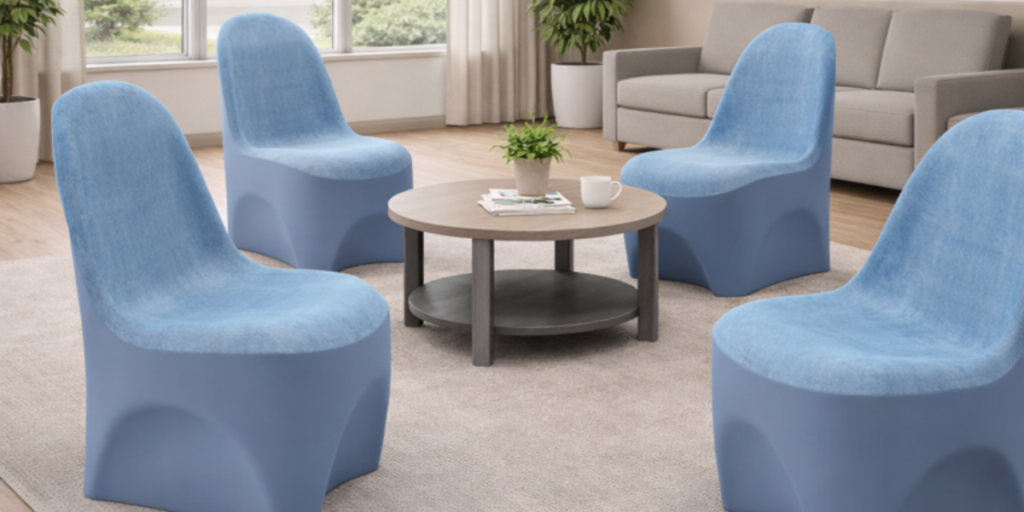
Healthcare facilities that serve behavioral health, crisis care, addiction recovery, secure medical units, & other high-risk populations need furniture that can handle real daily pressure. A chair may look simple, but in the wrong setting, it can become a maintenance issue, a safety concern, or a poor fit for patient care.
Correctional Furniture can help healthcare facilities create safer, stronger & easier-to-manage environments when standard commercial furniture is not enough. The right products support security, durability, cleanability, comfort, & dignity without making a space feel cold or punitive.
This blog explains what Correctional Furniture means in a healthcare setting, where it fits, what features matter, and how facility teams can make better purchasing decisions.
What is Correctional Furniture in a healthcare setting?
Correctional Furniture is heavy-duty, safety-focused furniture designed for demanding environments where durability, supervision & risk reduction matter. In healthcare, it is often used in behavioral health units, crisis stabilisation centres, psychiatric settings, secure medical areas, substance use disorder treatment spaces, & high-use group living environments.
The term may overlap with prison furniture, detention furniture, anti-ligature furniture, & Behavioral Healthcare Furniture. The difference is context. In healthcare, the goal is not to recreate a correctional setting. The idea is to pick furnishings that assist safety while still respecting patient comfort & dignity.
Important features may include:
- Heavy-duty construction
- Tamper-resistant design
- Weighted, bolted, or floor-mounted options
- Rounded edges
- Cleanable surfaces
- Durable materials
- Ligature-resistant details were needed.
A good furniture plan starts with a risk level. A supervised lounge, a patient room, and an emergency behavioral health holding area may all require different solutions.
Why healthcare facilities may need Correctional Furniture
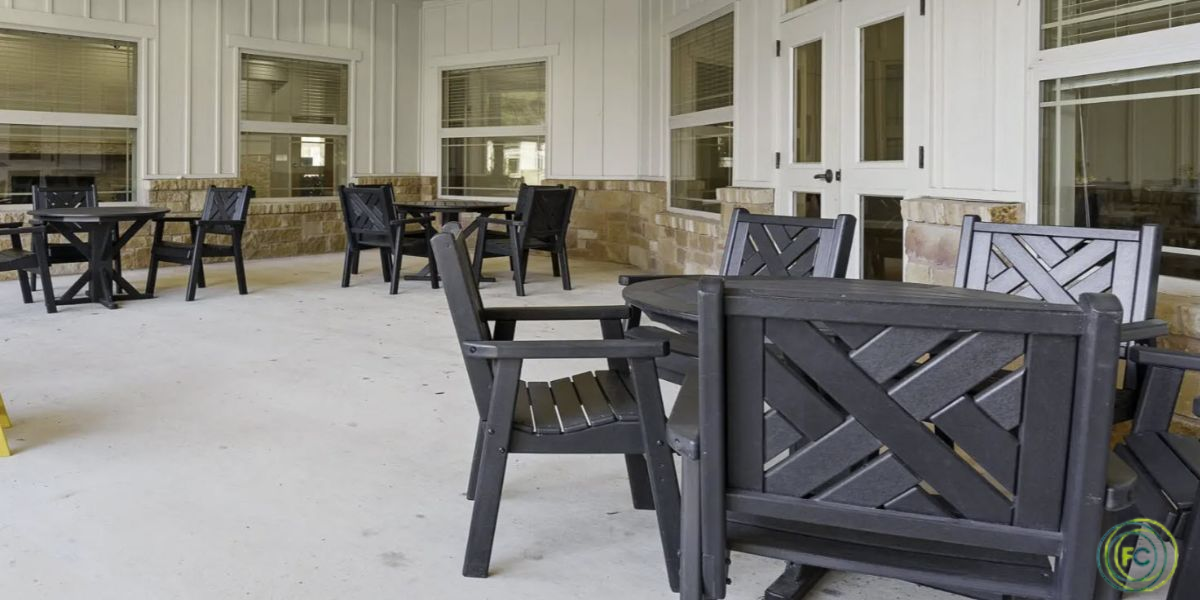
Standard commercial furniture often struggles in high-use healthcare spaces. Fabric tears, frames loosen, drawers break, finishes stain, & lightweight pieces may be moved or misused. These problems can create extra work for staff and unnecessary replacement costs.
Healthcare facilities may consider Correctional Furniture when they need products that can handle constant use, frequent cleaning, and unpredictable behavior. This is especially relevant in the following:
- Behavioral health units
- Psychiatric hospitals
- Crisis stabilization centers
- Emergency department behavioral health areas
- Addiction recovery facilities
- Secure medical units
- Group living and transitional healthcare spaces
- Supervised patient rooms & common areas
The best furniture choices reduce avoidable problems while keeping spaces calm and usable. That balance matters. A room can be secure & still feel human.
Correctional Furniture vs. Behavioral Healthcare Furniture
| Feature | Correctional Furniture | Behavioral Healthcare Furniture |
|---|---|---|
| Main focus | Security, durability, tamper resistance | Safety, comfort, dignity, therapeutic design |
| Common use | Secure, high-risk, high-use areas | Behavioral health, recovery, and supervised care spaces |
| Design style | Heavier and more controlled | Warmer and less institutional |
| Safety features | Weighted, bolted, tamper-resistant, ligature-resistant options | Anti-ligature options, soft shapes, calming design |
| Best fit | Crisis areas, secure rooms, intensive-use spaces | Lounges, therapy rooms, patient areas, recovery spaces |
Key safety features to look for in Correctional Furniture
The most useful safety features in Correctional Furniture include tamper-resistant construction, reduced ligature points, weighted or secured designs, rounded edges, durable materials, and surfaces that are easy to clean and inspect.
ligature-resistant design
Ligature-Resistant furniture is designed to reduce points where something could be tied, looped, or attached. This is especially important in behavioral healthcare & psychiatric environments where self-harm risk must be carefully considered.
Not every room needs the same level of ligature-resistant design. A high-risk patient room may require a different product set than a supervised dining area. Furniture selection should reflect the patient population, room function, visibility, & facility protocols.
It is also important to avoid overpromising. No furniture product removes every risk. Good furniture supports a larger safety plan that includes staffing, layout, supervision, maintenance, & clinical procedures.
Tamper-resistant construction
Tamper-resistant furniture limits access to removable or breakable parts. Fewer exposed fasteners, reinforced frames, one-piece construction, & secure components can reduce maintenance issues & misuse.
This matters in healthcare because a broken piece of furniture can quickly become a safety problem. Even a loose screw, cracked edge, or removable drawer component may create concern in the wrong setting.
Weighted, bolted, or floor-mounted options
In some rooms, furniture movement is useful. In others, it creates risk. Weighted, bolted, ganged, or floor-mounted furniture can help keep layouts stable in high-risk or high-traffic areas.
This is common in intake areas, waiting areas, dining spaces, crisis care settings, & supervised common rooms. The choice should still allow staff to clean, inspect, and maintain the space properly.
Durability matters in high-risk healthcare environments.
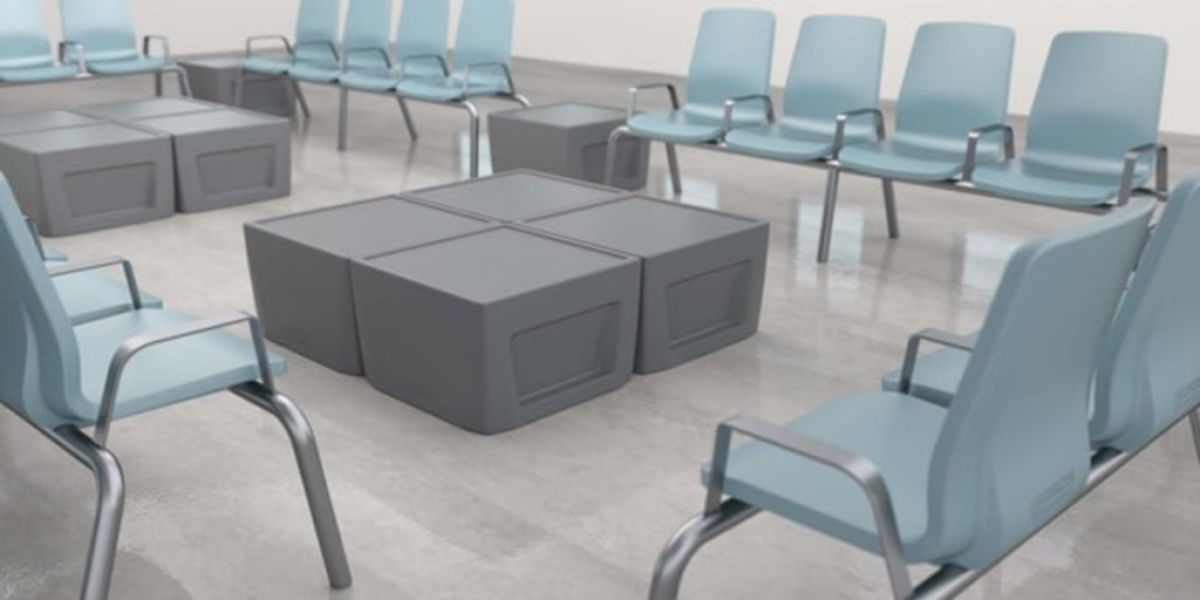
Healthcare furniture gets used hard. In 24/7 environments, beds, seating, tables, dressers, and storage pieces may be used by many people across many shifts. A product that performs well in a normal office may fail quickly in a behavioral health or secure care environment.
Durable Correctional Furniture can help reduce the following:
- Repairs
- Replacement costs
- Room downtime
- Staff maintenance burden
- Disruptions to patient care areas
- Inconsistent facility appearance
The key is to evaluate the total cost of ownership instead of only the purchase price. A cheaper chair that has to be replaced repeatedly may cost the facility far beyond the original invoice. A stronger product that lasts longer, cleans better, and creates fewer staff headaches can be the better financial decision.
Before ordering, buyers should ask:
- Will this hold up to continuous use?
- Can it resist impact, moisture, stains, & repeated cleaning?
- Are parts easily damaged or removed?
- Is it appropriate for the supervision level of the room?
- What warranty or support is available?
Cleanability, hygiene, and infection control considerations
Healthcare facilities should choose Correctional Furniture with easy-clean surfaces, limited seams, moisture resistance, durable finishes & materials that can withstand frequent cleaning.
Cleanability matters in patient rooms, crisis spaces, common areas, dining areas, & behavioral healthcare environments. Staff need furniture that can be wiped down, inspected, & returned to service without a complicated process.
Look for:
- Limited-seam or seamless construction
- Moisture-resistant surfaces
- Stain-resistant finishes
- Fluid-resistant mattress covers are relevant.
- Easy-to-inspect designs
- Materials compatible with facility cleaning protocols
Practical Note
A practical note: cleaning should not shorten the product’s life. If a finish wears down quickly under regular cleaning, the furniture may become harder to maintain and less professional in appearance.
Creating safer spaces without making them feel institutional
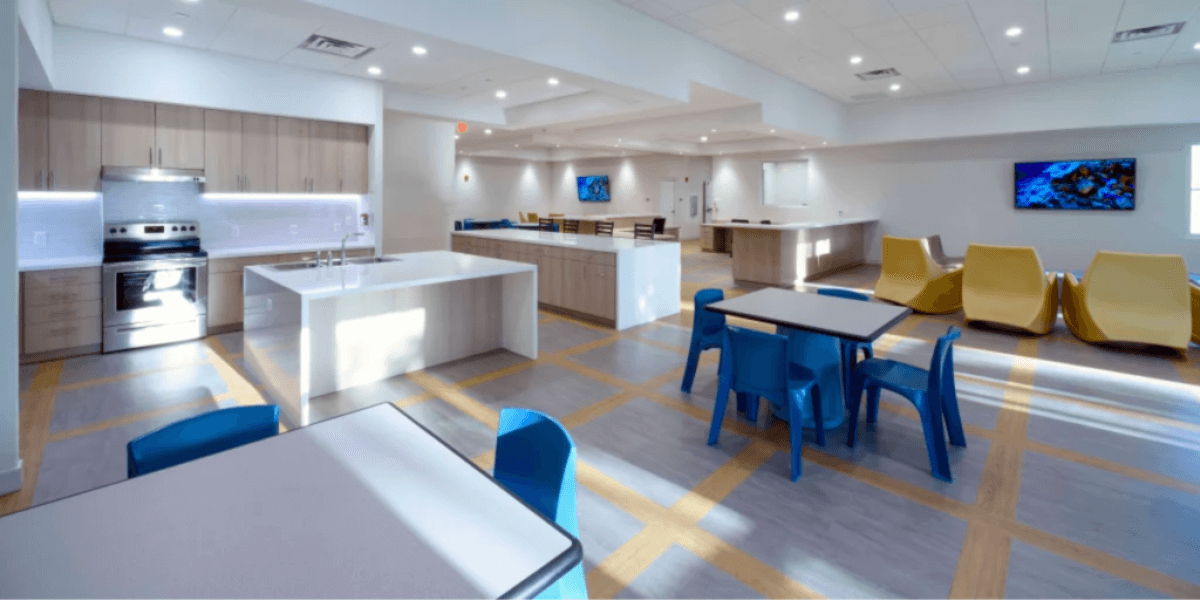
Healthcare environments should feel safe, calm, and supportive. Furniture plays a bigger role in that than many people realize.
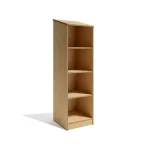
Correctional Furniture does not have to look harsh. With the right finishes, shapes, colors, and layouts, durable furniture can support a human-centred space. Rounded forms, warm wood-look surfaces, comfortable proportions, and calming color palettes can all help.
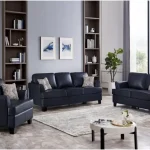
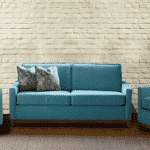
Picture a behavioral health lounge. Heavy-duty seating can be paired with healthcare-grade upholstery. Tables can have rounded edges & durable surfaces. Chairs can be weighted or ganged where movement is a concern. The result feels supervised and safe but still usable & respectful.
That is often the sweet spot for healthcare facilities: strong enough for the environment, comfortable enough for people.
Procurement Checklist for Healthcare Facilities
Use this checklist before buying Correctional Furniture:
- ✓ Identify the room type and patient risk level.
- ✓ Decide whether ligature-resistant features are needed.
- ✓ Choose the right material for the space.
- ✓ Confirm cleaning and maintenance requirements.
- ✓ Review durability, warranty, and expected product life.
- ✓ Consider weighted, bolted, ganged, or floor-mounted options.
- ✓ Evaluate comfort, dignity, and visual warmth.
- ✓ Confirm lead times, delivery, and installation needs.
- ✓ Plan for bulk ordering or phased replacement.
- ✓ Request pricing from a supplier experienced in high-use healthcare environments.
Common mistakes to avoid
A few purchasing mistakes show up again & again.
The first is buying only based on price. Low upfront cost can look attractive until products start failing, staining, moving, or creating maintenance calls.
Another mistake is treating every healthcare space as the same risk level. A crisis room and a supervised lounge may need very different products.
Facilities should also avoid ignoring cleaning needs, choosing furniture that feels overly institutional, overlooking anti-ligature considerations in high-risk spaces, or buying standard commercial furniture for intensive-use environments.
Good furniture planning is not complicated, but it does require clear thinking.
Key Takeaways for Healthcare Facility Decision-Makers
Correctional Furniture can be a practical solution for healthcare facilities that manage high-risk, high-use, or secure care environments.
The best furniture choices balance the following:
- Safety
- Durability
- Cleanability
- Comfort
- Dignity
- Long-term value
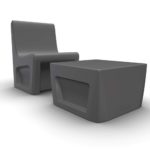
Ligature-resistant and tamper-resistant features should be selected based on room function and patient risk level. Material choice also plays a critical role—rotomolded, metal, wood, and upholstered furniture each serve different purposes.
Most importantly, facilities should think beyond the first purchase. Furniture impacts staff workload, patient experience, maintenance costs, and the overall quality of the care environment.
Conclusion
Choosing furniture for high-risk environments requires a careful balance of safety, strength, comfort, & long-term performance. Correctional Furniture plays an important role in helping create safer, more controlled spaces by offering durable, tamper-resistant, and easy-to-maintain solutions for behavioral care units, crisis stabilization centers, secure medical spaces, and other demanding settings.
The proper furniture, chosen with an eye toward both patient dignity and day-to-day operational demands, may make a big difference in improving facility efficiency and providing a safer, more supportive environment for care.
For durable, safety-focused furniture solutions designed for high-risk environments, Furniture Concepts is here to help. Explore Correctional Furniture and Behavioral Healthcare Furniture options tailored for safety, comfort, dignity, & long-term performance.
Call today to speak with a furniture specialist and request pricing for your facility needs.
Frequently Asked Questions
What is Correctional Furniture?
Correctional Furniture is heavy-duty furniture designed for secure, high-use, or high-risk environments. In healthcare facilities, it may be used in behavioral health, crisis care, psychiatric, or secure medical spaces where safety & durability are priorities.
Is Correctional Furniture the same as prison furniture?
Not always. Prison furniture is commonly used in correctional settings, while Correctional Furniture for healthcare may include similar durability & tamper-resistant qualities while also supporting comfort, cleanability, dignity, and therapeutic design.
Why would a healthcare facility need detention furniture?
A healthcare facility may need detention furniture or correctional-style furniture when standard furniture creates safety, durability, or maintenance concerns in secure or high-risk spaces.
What does Ligature-Resistant mean in furniture?
Ligature-Resistant furniture is designed to reduce potential attachment points that could be used for self-harm. It is especially relevant in behavioral healthcare, psychiatric care, and other high-risk environments.
What is the best material for Correctional Furniture in healthcare facilities?
The best material depends on the room, risk level, and use case. Rotomolded furniture can work well in high-use spaces, metal furniture offers strength, wood-look furniture adds warmth, and healthcare-grade upholstered seating supports comfort in supervised areas.
Where is Correctional Furniture most useful in healthcare facilities?
Correctional Furniture is often useful in behavioral health units, psychiatric hospitals, crisis stabilization centers, secure medical units, addiction recovery facilities, emergency behavioral health areas, and high-use common spaces.