














How to Plan Receiving, Assembly, and Room Set-Up for Bulk Furniture Orders So Nothing Gets Damaged, Missing, or Delayed

Imagine that the long-awaited update to the furniture in your facility has been delivered. However, instead of experiencing excitement, you’re faced with a logistical nightmare, a lobby filled with boxes that obstruct fire exits, misplaced hardware scattered throughout the hallways, and assembly instructions in three different languages. A normal transition has been transformed into a mess that makes it difficult to conduct business, and occupancy is delayed.
Downtime is not merely an inconvenience in healthcare facilities, residential homes, and commercial areas, but it directly affects patient care, the comfort of residents, and earnings. Every single day, an empty room remains unoccupied, or a common area becomes ineffective when it is only considered an opportunity, leading to frustration among stakeholders.
The good news? With proper bulk furniture order delivery planning, there is no need to be overwhelmed with the delivery of 10, 50, or even 100+ pieces and assemble them. This blog provides a battle-tested, step-by-step plan to handle bulk furniture orders from the moment trucks arrive until the last chair is positioned, ensuring nothing gets damaged, nothing goes missing, and nothing causes costly delays.
Step-By-Step Plan From Receiving to Final Assembly
➡ Pre-Delivery Planning (4-6 Weeks Ahead)

Success with bulk furniture orders begins long before delivery trucks arrive at your loading dock. This is a critical period that needs to be well prepared to either result in a smooth installation process or an operational nightmare.
- Staging Area Setup
Reserve a secure staging space that will be big enough to receive your whole shipment. This area must be climate-controlled (extreme temperatures will destroy upholstery and wood finishes), be inaccessible to unauthorized personnel, and be close to freight elevators or primary corridors. Divide the size of about 150–200 square feet by 10 pieces of furniture, including boxes, assembly areas, and movement areas. In the case of the healthcare facility furniture delivery, the staging areas should not be placed in the area of patient care or emergency access paths.
- Inventory & Labeling System
Create a color-coded system, or numeric labeling system, before the delivery date. Prepare a master spreadsheet with all the items in terms of purchase order number, destination room, and assembly requirements. Label each piece in advance with room numbers, a description of the item, and the level of assembly priority. This inventory and labeling system is your control center, where you will trace every element in receiving up to its ultimate position.
- Verify Requirements
Verify delivery schedules with building management and liaise with the security, loading dock workers, and department heads. Check the schedules and dimensions of freight elevators and doors, and clearances of the hallways of your facility. Determine items that need special treatment: oversized items, heavy equipment, or furniture with glass components. Have enough people or a team of professional assemblers scheduled by the level of complexity; one veteran assembler per 8-10 standard pieces on typical days is a good guideline.
➡ Receiving and Inspection
This is because the point at which your bulk furniture orders are delivered is important in safeguarding your investment and creating accountability. Speeding up receiving causes issues that multiply exponentially in assembly.
- Document Everything
However, prior to the signing of any delivery paperwork, ensure a detailed count. Please verify the boxes, crates, and pallets against the bill of lading. Record pictures of the delivery truck, containers that are sealed containers, and the general condition before starting to unload. This furniture inspection on delivery documentation becomes essential if you later discover concealed damage or shortages. Record driver information, delivery time, and any unusual circumstances.
- Damage Check
Check all cartons for visible damage, i.e., crushed corners, punctures, watermarks, or torn wrappings. Mark also broke boxes in a brilliant manner and take photos at various angles before opening them. If you find any damage, record the details on the delivery receipt and have the driver sign it. Don’t assume interior contents are fine if exterior packaging looks compromised; preventing furniture delivery damage claims requires detailed documentation at this stage.
- Verify Parts
When unloading, match each item on your master inventory list. Ensure that there are hardware bags on hand, assembly instructions, and components within the specification. With modular systems of furniture, ensure that all the parts, connectors, and accessories are received. Components that are not found may stop room completions and result in costly rush delivery expenses.
- Unpacking Procedures
Arrange items in your staging room or on the floor in order. Carefully unpack and store all the packaging material until the last inspection is done to ensure there is no hidden damage. Arrange elements by item, and the hardware bags should be attached to their furniture. Prepare a quarantine area where damaged or suspicious goods will be stored and where additional verification can be conducted to start the furniture assembly process.
➡ Assembly and Room Set-Up
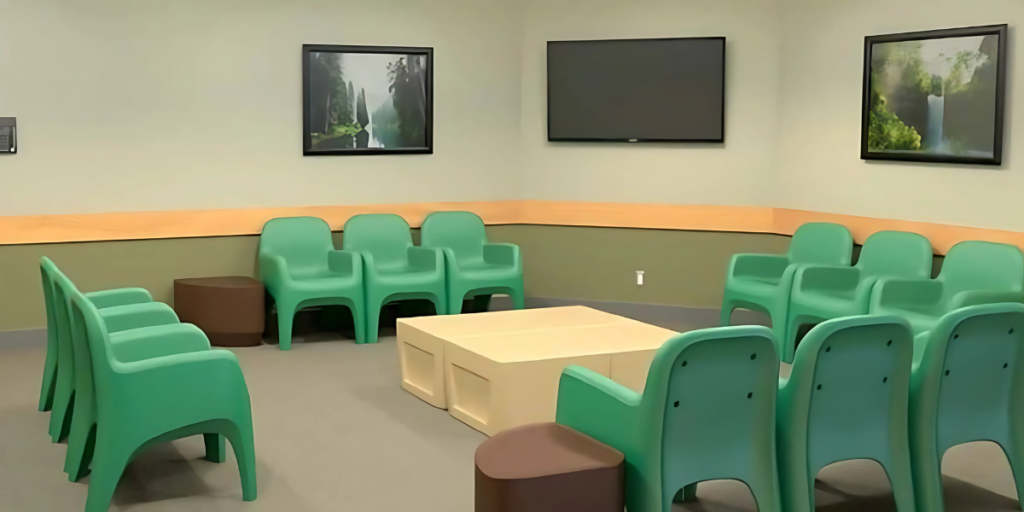
With receiving complete and verified inventory, you’re ready to transform boxes of components into functional furniture. Proper assembly techniques protect your investment and ensure years of reliable service.
- Organize Hardware
Arrange all the hardware by furniture piece before touching a single Allen wrench. Screws, bolts, cam locks, and other specialty fasteners should be stored in small containers or bags. Check assemblage instructions thoroughly in advance; a significant number of failures in furniture are due to reversed processes or to the wrong choice of hardware. Prepare a clean workplace with sufficient lighting and a safe working height.
- Use Proper Tools
This is done by investing in excellent tools that fit the commercial furniture assembly. Electric screwdrivers that have variable torque settings eliminate overtightening of the particleboard or removal of threads. Finished surfaces are better safeguarded by rubber mallets than metal hammers. Level tools make sure that there is correct alignment, which is particularly important when dealing with modular systems and case goods. For large projects, consider professional-grade assembly equipment that speeds up work while maintaining quality.
- Floor Protection
Protect finished floors throughout the furniture assembly process with drop cloths, cardboard, or specialized floor protection products. New furniture may also scratch or dent the flooring during the construction and placement of the furniture. Apply furniture sliders or felt pads beneath all legs, and then put the furniture into its final positions. In the case of the furniture delivery in healthcare facilities, this coverage can be considered twice as significant in the sections occupied by patients, where noise and disturbance should be kept to a minimum.
- Component Assembly
Adhere to the instructions of the manufacturer, especially in weight-bearing connections and structural joints. Install fasteners gradually instead of one at a time. This method would enable the components to fit into position before tightening another component. When dealing with multi-piece products such as a modular seating or desking system, dry-fit all pieces together before assembling the final product to ensure that any manufacturing variances or issues are known or that no parts have been missed.
- Secure Furniture
Furniture stability is a safety requirement in a healthcare setting and a geriatric facility. Install anti-tippers on high-case items, bookcases, and dressers. Ensure that all the connections are stable and that furniture does not wobble or rattle when subjected to typical forces of use. To sit, check the test weight capacity, and make the legs even. This consideration in assembly stops the safety accidents in the future and increases the lifespan of furniture.
➡ Post-Delivery (Finalization)
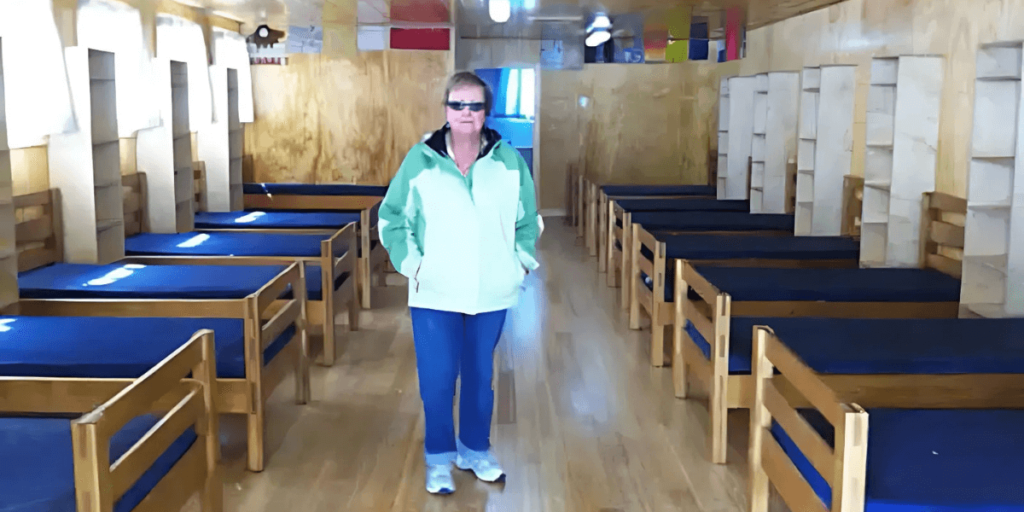
The job isn’t finished when the last screw is tightened. Professional finalization makes sure that your facility is complete so as to avoid future difficulties.
- Final Inventory Check
Do a thorough inspection of the installed furniture with your initial order and room plans. Make sure that all the pieces are in the right place, that they are all assembled, and that they work as expected. Check drawers, check doors, check mechanisms, and adjustable features. Record the completed installation by taking photographs you may have in your facilities management records.
- Trash Removal
Large-scale purchases of furniture create a substantial amount of packaging waste, cardboard, plastic wrap, styrofoam, and protective materials. Arrange for instant elimination instead of the buildup of debris. Sort out recyclable materials as much as possible. In occupied facilities, dispose of scheduled waste during low traffic periods to cause minimal disturbance.
- Warranty and Damage Claim Filing
Record any damage found during the assembly that was not apparent during the preliminary receiving inspection. Please reach out to us promptly to initiate warranty claims or arrange for replacement parts. Lodge claims immediately that most manufacturers demand notification within given intervals. Keep records of all correspondence, photographs, and claim numbers in a well-organized manner.
Why Choose Furniture Concepts for Bulk Furniture Orders

Furniture bulk orders cannot be managed by making an order alone, but it needs a partner that comprehends the peculiarities of mass installation in harsh conditions. Furniture Concepts specializes in supporting healthcare facilities, senior living communities, and other group living environments through every phase of furniture procurement and installation.
The majority of our team provides detailed planning for the delivery of bulk furniture orders, which takes into consideration the constraints of your facility, operational demands, and time constraints. We liaise with manufacturers to see that shipment is delivered in full and correctly packed and at the right time. Our delivery partners are trained in healthcare facility procedures, and they realize that it is crucial to minimize interference in occupied areas.
In addition to the delivery of the products, we provide installation services, as well as coordination of the assembly and follow-up after delivery, which will help your project be successful. We maintain detailed records of every order, making warranty and damage claim filing straightforward when issues arise. Our experienced team can recommend staging strategies, assembly sequencing, and room set-up approaches based on thousands of successful installations.
Conclusion
Handling bulk furniture orders needs perfect planning, strict implementation, and observation of details at all levels to be successful. With proper pre-delivery planning, receiving inspection, systematic assembly, and professional finalization, you secure your investment as well as shorten occupancy schedules.
The advantages go much deeper than simply maintaining order. Effective handling during receiving and assembly will avoid damage that will decrease the life of the furniture, decrease maintenance expenses, and ensure your facility looks professional. Proper inventory control does away with the frustration of not knowing where to find parts that were found weeks after installation. Assembling furniture is done by professionals so that it will work safely and reliably for years.
Contact us today to discuss how our bulk furniture order expertise can transform your next project from a potential nightmare into a seamless success. Our team is ready to help you plan, coordinate, and execute furniture installations that meet your timeline, budget, and quality expectations.