










Furniture for Sensory Rooms: Design to Promote Cognitive and Emotional Rehabilitation
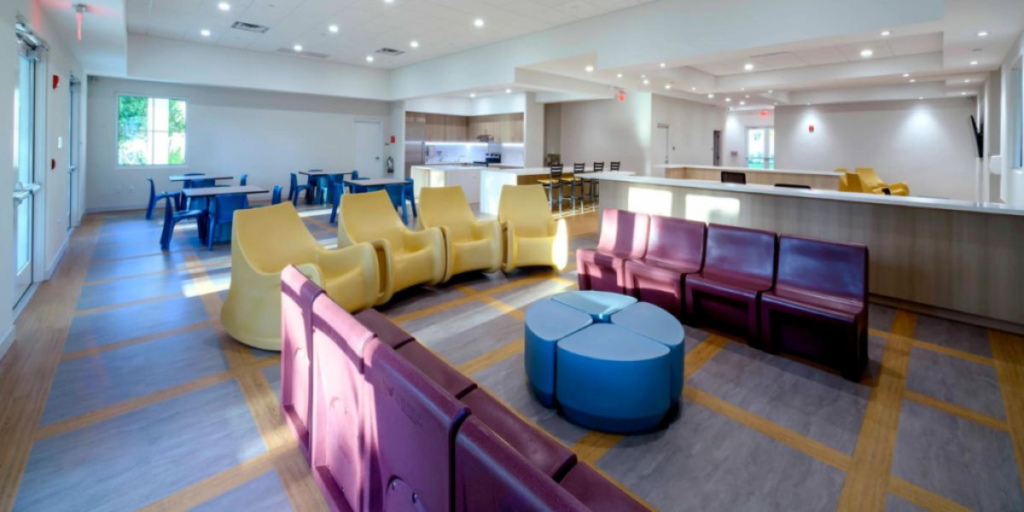
In rehabilitation settings, the environment isn’t just a backdrop; it’s an active participant in therapy. All the factors, including the color of the walls and texture of furniture helps to facilitate or impede recovery. This is more so the case in sensory rooms, which are specialized therapeutic rooms created to offer controlled sensory experiences that promote healing and regulation.
However, what is a sensory room in a rehabilitation setting? Although most individuals associate sensory rooms with pediatric play areas, their purpose in behavioral health and rehabilitation centers is significantly more complex. They are highly structured spaces in which people are able to exercise self-regulation, work through trauma, train coping mechanisms, and train cognitive functioning within a secure and conducive space.
The furniture in these places does not merely fill a room. The right sensory room furniture is the one that allows cognitive and emotional healing through the provision of safety, comfort, and sensory input. With an appropriate choice, behavioral health furniture can serve as a therapeutic device that contributes to healing, minimizes anxiety, and enables individuals to feel that they control the world around them.
What Cognitive & Emotional Rehabilitation Looks Like in a Sensory Space
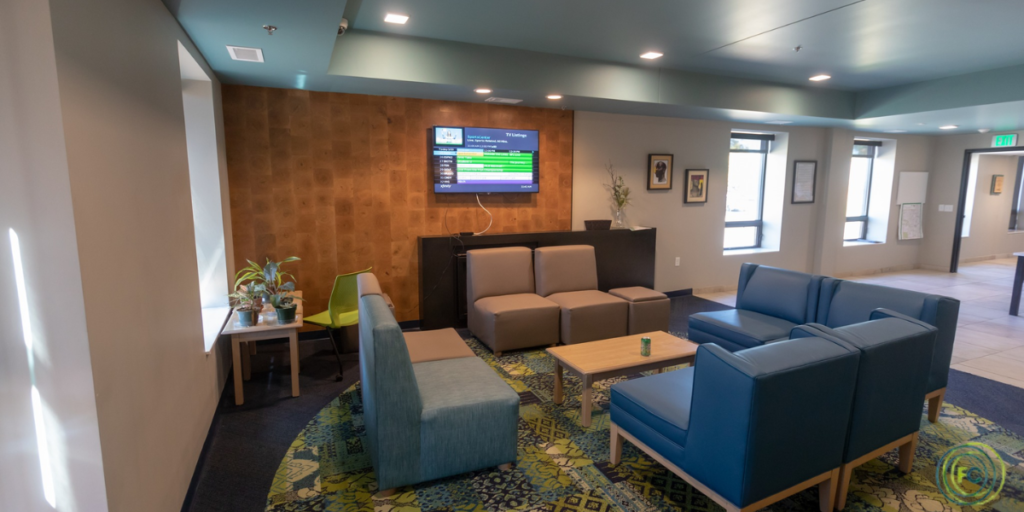
Sensory rooms serve multiple therapeutic functions in rehabilitation facilities. For these purposes, it is important to choose suitable sensory room furniture for rehab environments.
Sensory space is mainly used as a source of self-regulation and de-escalation. A sensory room can act as a haven of psychological safety where people overwhelmed with emotions, anxious, or distressed can calm their nervous system with the help of certain furniture and sensory equipment. The furniture in these areas is conducive to different regulation plans, from deep pressure input that stimulates the parasympathetic nervous system, all the way to lighter rocking movements that give rhythmic feedback to the organizing sensation.
Another important aspect of using a sensory room is attention, executive function, and coping skill practice. These areas are not only where students can be helped in times of crisis but also where they can train on relevant thinking skills. The appropriate furniture aids such activities as puzzles, art therapy, mindfulness exercises, and other planned interventions that develop the executive functionality, attention span, and emotional regulation skills.
Trauma-informed design and restoring a sense of control underpin the entire sensory room approach. Many individuals in rehabilitation settings have experienced trauma, which often manifests as a feeling of powerlessness. A properly designed sensory room with trauma-informed design furniture offers the user options concerning how they utilize the room, the type of sensory input they obtain, and their placement, which offer essential restoration of a sense of agency and control.
Key Furniture Designed for Emotional & Cognitive Rehabilitation
When picking the appropriate furniture in sensory spaces, it is necessary to have knowledge of how various items can be used to facilitate the therapeutic objectives. The following are the most critical types of sensory room furniture that facilitate mental and emotional recovery.
- Deep-Pressure and Grounding Options
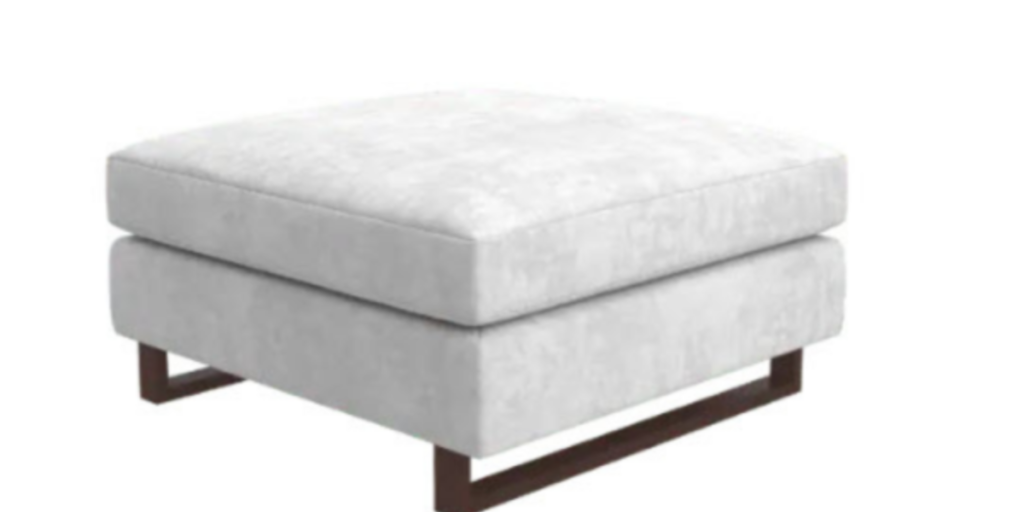
Deep pressure input has a profound calming effect on the nervous system. Therapeutic seating for sensory rooms that provides this input includes weighted chairs, “hug” seating with enveloping designs, and specialized ottomans or footrests. These works enable one to be in touch with the ground and feel safe and less anxious. Through pressure, they excite proprioceptive receptors that transmit organizing signals to the brain and assist in controlling the level of arousal.
These grounding pieces of furniture can be especially useful in the rehabilitation environment when someone is going through a distressing moment or seeking to process some painful emotions or memories. The external regulation offered by holding or weighting the shoulder can be used when the internal regulation does not seem possible.
- Soft Seating for Comfort and Movement
Soft seating for sensory rooms encompasses a range of options that prioritize comfort while providing therapeutic movement. The rhythmic and predictable movement of rockers and gliders is found to be calming and organizing to many. Comfortable seating areas are made by providing lounge chairs that have plush cushions that encourage people to relax and reflect. Modular seating for therapy rooms offers flexibility, allowing the space to be reconfigured based on individual needs or group activities.
This piece of furniture has a “soft” side that not only has to do with comfort but also with a safety issue. In behavioral health care, the furnishings should be able to reduce the risk of injuries, yet they should have a non-institutional but residential appearance that facilitates the healing process and is not punitive or clinical.
- Therapy Tables and Activity Surfaces
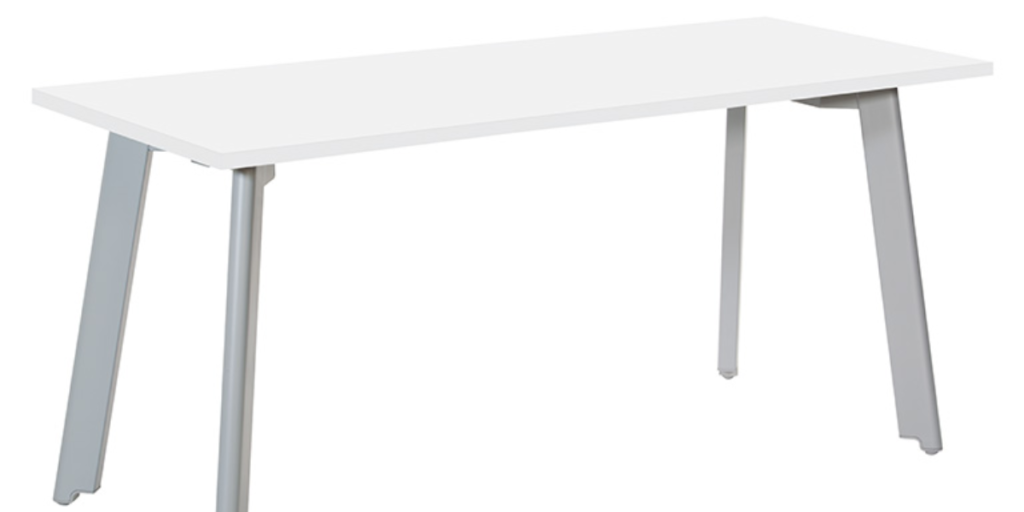
The use of cognitive rehabilitation tends to be structured either through art therapy, puzzles, journaling, or work on coping skills. Appropriate tables and activity surfaces are essential furniture for sensory spaces in rehab facilities. These works must be durable enough to be used in multiple activities and should be created with safety in mind, as they should have smooth edges and be raised on stable feet.
The height, size, and surface materials of therapy tables matter significantly. They should accommodate individuals of different sizes and abilities while supporting the specific activities used in that facility’s therapeutic programming.
- Storage That Reduces Visual Clutter
The overstimulation of the visual processing would be overwhelming, especially to those who were engaged in emotional regulation or had visual processing differences. Storage furniture that hides supplies, tools, and materials is useful in creating a more peaceful visual space. To keep the therapeutic environment, this storage must be lockable in behavioral health contexts and without lockout features.
Effective behavioral health furniture systems include well-designed storage systems that help support the therapeutic environment without drawing attention to themselves or causing an institutional appearance that may invoke negative responses.
- Lighting-Adjacent Furniture Choices
While lighting does not inherently constitute furniture, it often combines with various types of furniture to create optimal sensory spaces. The sitting furniture crafted to capture natural light, high-back chairs that create a visual barrier to reduce glare, and furnishings that enable individuals to regulate their light exposure all enhance the therapeutic quality of the space.
These are especially among people who are sensitive to light or not comfortable with the kind of lighting ambience.
Design Principles for Emotional & Cognitive Rehabilitation

Beyond specific furniture pieces, several overarching design principles should guide the creation of sensory rooms for rehabilitation.
- Reduced Visual and Auditory Stimulation
Sensory rooms are to provide a reprieve from the usually crowded sensory world of everyday living. This is facilitated by furniture options, which include not using any busy patterns or harsh colors, as well as any material that generates a lot of noise. Calming neutral upholstery, furniture that also acts as a sound dampener, furniture that does not rattle or squeak, etc., all contribute to a sensory environment that is more controlled.
- Safety and Comfort
In behavioral health and rehabilitation, safety is very important, although it must be accompanied by comfort. Behavioral health furniture should be designed in such a way that it will endure excessive use and not cause self-hurt or cause injury, but should be welcoming, not institutional. The alternative is to choose furniture that has a strengthened structure, hardened elements, and durable and comfortable materials, a difficult yet necessary compromise.
- Choice and Control
Offering choices to individuals regarding the utilization of a space is a fundamental concept of trauma-informed design furniture. It could be the ability to offer various seating solutions that have varying sensorial characteristics, so that people can customize the modular items or offer different areas in the room that will be used differently. People feel a sense of agency that helps heal their emotions when they choose their environment.
- Durability
Rehabilitation and behavioral health centers need furniture that can withstand heavy daily use but at the same time retain its look and functionality. Modular seating for therapy rooms and other furniture pieces must be constructed from commercial-grade materials with reinforced joints, heavy-duty fabrics, and finishes that can be regularly cleaned and disinfected without deteriorating.
Durability isn’t just about cost-effectiveness; it’s about maintaining a consistent, reliable therapeutic environment where furniture doesn’t become a safety hazard or an eyesore over time
How Furniture Concepts Can Help
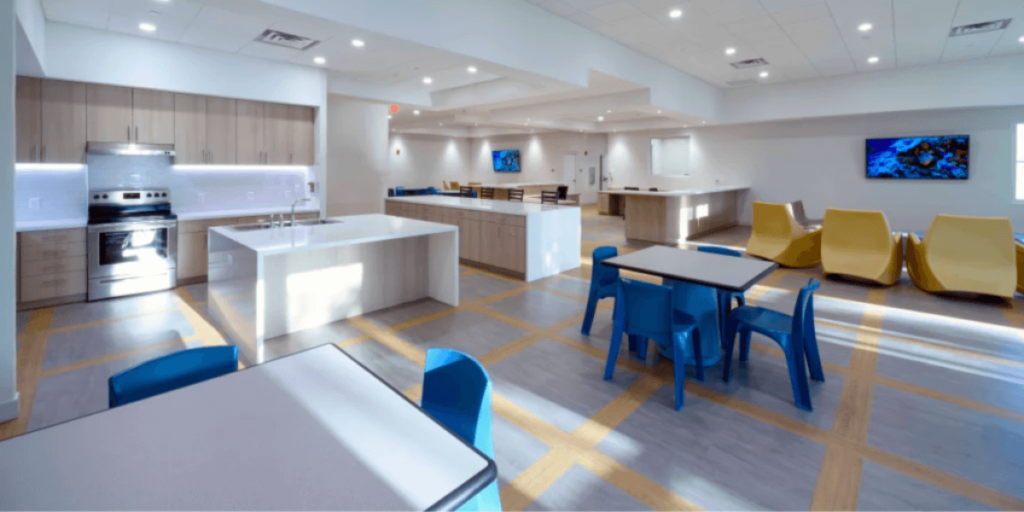
Designing viable sensory rooms demands skills not only in the concepts of therapeutic design but also in the realities on the ground of furnishing behavioral health institutions. This is where Furniture Concepts provides invaluable support.
Standardize, specify, and source across facilities: In organizations with a number of locations, it is essential to make therapeutic environments the same. Furniture Concepts assists in specifying suitable sensory room furniture, sourcing furniture that can provide both therapy and durability, and standardizing across the facilities to provide all locations with the same quality therapeutic environment.
- Durable, cleanable, safety-minded, residential-feel solutions: Our team recognizes the special issue of behavioral health furniture; it must be highly durable and easy to clean, and also have a warm, residential look that helps healing and doesn’t feel like an institution. The curated collections strike the right balance between these somewhat conflicting needs, with furniture capable of providing the strength needed in rehabilitation environments and creating an environment that is welcoming and secure.
Whether you’re designing a new sensory room, updating an existing space, or furnishing an entire behavioral health facility, we bring specialized knowledge of therapeutic seating for sensory rooms, trauma-informed design furniture, and the practical considerations that make these spaces functional for both clients and staff.
Conclusion
Sensory room design has a tremendous influence on recovery in behavioral health and rehabilitation environments. By choosing their furniture wisely to help maintain self-governing, cognitive, and emotional recovery, these rooms are effective therapy rather than a room with a bed in it.
Whether it is in deep-pressure seating that helps settle the nervous system or modular pieces that enable people to have some control over the surroundings, all the furnishing options lead to the therapeutic value of the space. Facilities can build sensory rooms that actually aid healing by using the principles of trauma-informed design, focusing on the comfort and safety of the items present, as well as using durable items that retain their therapeutic properties over time.
Contact us today for a consultation and discover how the right furniture can transform your therapeutic spaces. Our team can assist you in identifying the appropriate sensory room furniture that can be used to facilitate cognitive and emotional rehabilitation in your facility.