
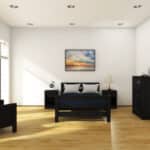








How Anti-Ligature Furniture Becomes the Core of Safety Risk Planning
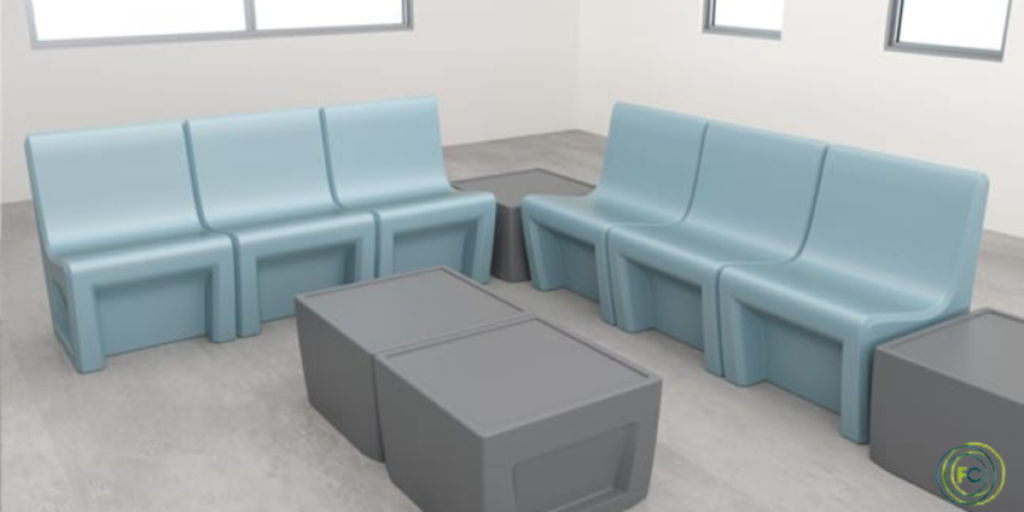
Safety planning in behavioral health and correctional settings often gets described as policies, checklists, and training. Those matter, but the day-to-day reality comes down to physical spaces and the objects inside them. Anti-ligature furniture sits at the center of that reality because it removes common anchor points, reduces opportunities for self-harm, and limits how often everyday furnishings get turned into hazards.
Facilities across mental health, behavioral health, and corrections typically work within layered requirements: internal risk protocols, accrediting standards, and operational expectations from staff who need safe rooms that still feel functional and humane. The right furnishings help that whole system work with fewer gaps. That’s why Furniture Concepts focuses on solutions that support safer environments without creating spaces that feel cold or purely institutional.
Why safety risk planning often starts with the room, not the rulebook
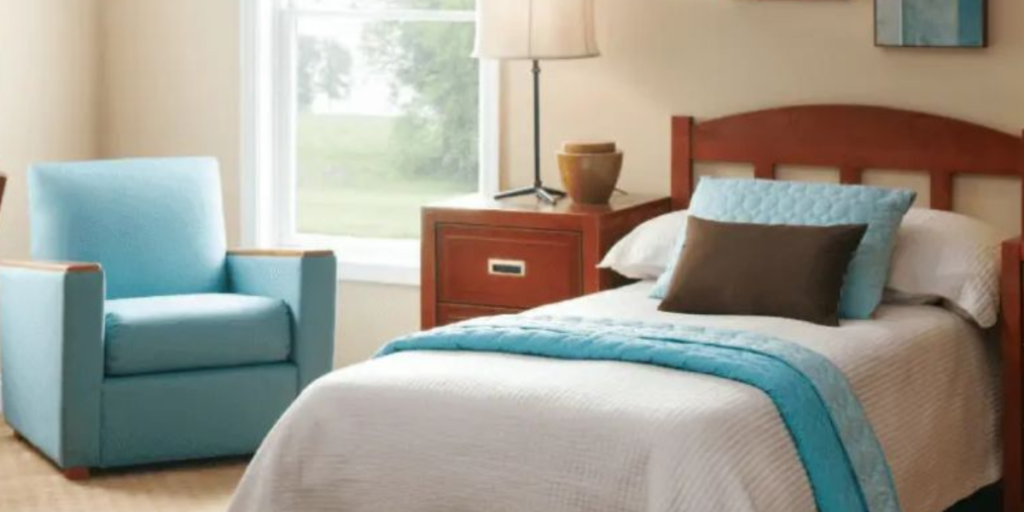
A strong safety plan addresses people, procedures, and environment. The environmental side tends to carry the biggest “silent” risks because it’s always present, including during staff transitions, shift changes, or moments when a resident is alone.
Rooms contain repeated risk categories:
- Anchor points that can be used for ligature attempts
- Components that can be removed, snapped, or sharpened into weapons
- Hidden voids that become contraband storage
- Moveable mass that can be used for barricading, throwing, or damaging walls and doors
- Maintenance failures that slowly reintroduce risk over time
This is where anti-ligature furniture becomes foundational. It is built to reduce those risk categories at the source, which lowers reliance on constant intervention.
What “anti-ligature” means in furniture design
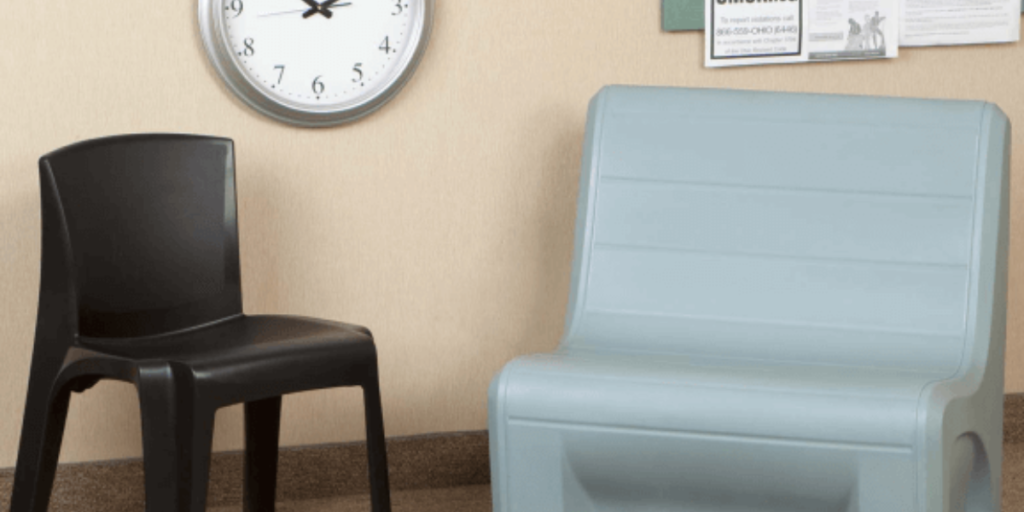
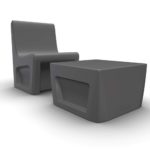
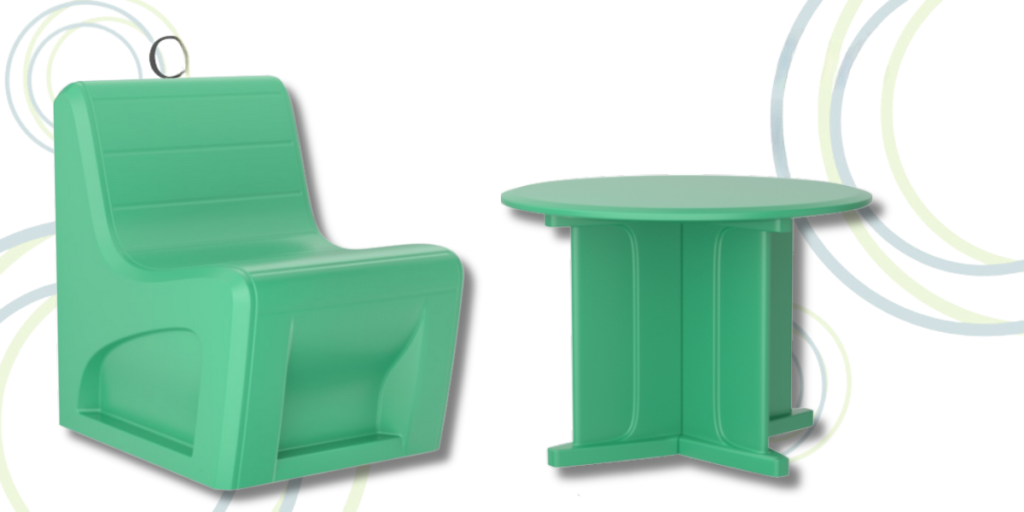
In practical terms, anti-ligature design aims to reduce or eliminate places where a cord, sheet, garment, or improvised material could be attached and tightened. It also focuses on durability and tamper resistance, since damage often creates new hazards.
Common design traits include:
- Smooth surfaces with minimal seams
- Sloped edges that don’t provide a tie-off point
- Reduced gaps around legs, frames, and junctions
- Tamper-resistant fasteners and minimized removable parts
- One-piece or solid-core construction that resists breakage and prying
Because ligature risk can appear in unexpected ways, furniture selection usually ties directly into a broader ligature assessment of patient rooms, day spaces, intake rooms, seclusion areas, and restrooms.
Eliminating anchor points: where safety gains show up fast
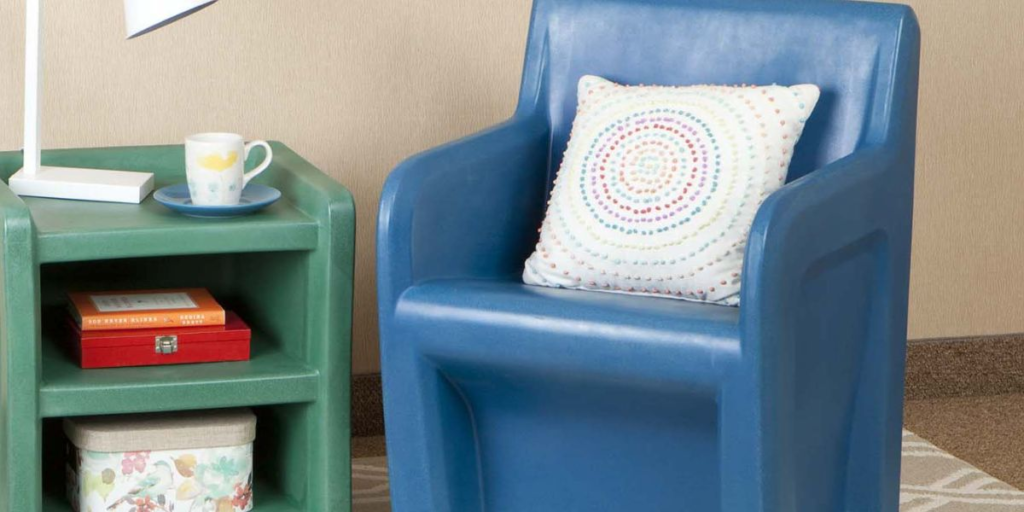
The most obvious value of anti-ligature furniture is its role in removing anchor points that can be created by conventional furniture: bed frames with open rails, chairs with large gaps, desks with accessible undersides, or wardrobes with protruding hardware.
Facilities that switch to purpose-built pieces often see a practical shift in how the space behaves:
- Fewer “problem spots” that require constant staff attention
- Fewer temporary fixes, like removing furniture after an incident
- Better consistency across rooms, which helps staff work with a predictable environment
This is also where people compare ligature-resistant furniture with basic heavy-duty furniture. Heavy-duty pieces may survive abuse but still provide tie-off points. Ligature-resistant furniture focuses on the geometry of risk, not just strength.
Tamper resistance and damage resistance: limiting weaponization
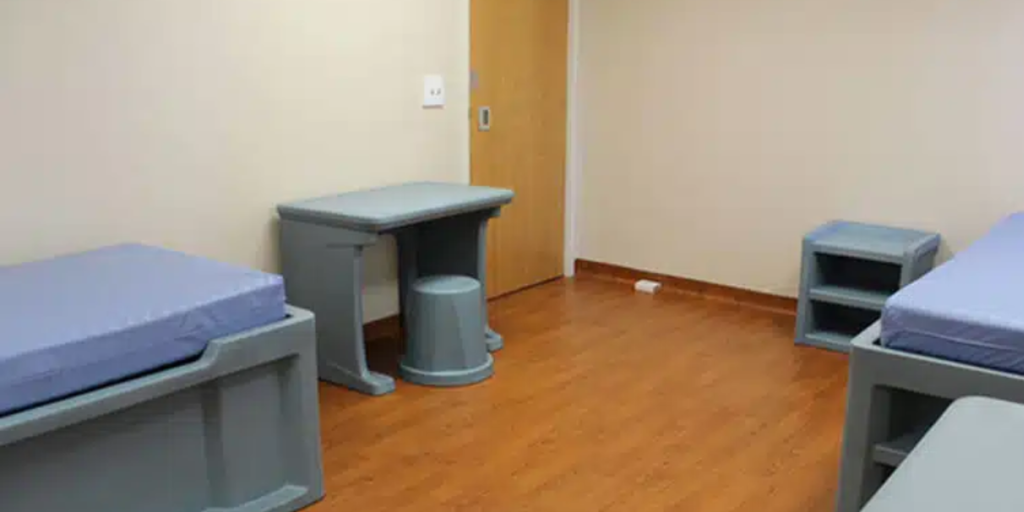
Self-harm risk is only one part of the safety picture. In high-acuity areas, furniture can get weaponized quickly when components break off or hardware becomes accessible.
Well-designed anti-ligature furniture reduces that risk through construction choices:
- Single-piece molded designs that don’t separate into sharp fragments
- Reinforced corners and edges that resist chipping and splitting
- Minimal exposed hardware and fasteners that resist removal
- Weight and stability that reduce throwing, tipping, or sliding
When furniture stays intact, it reduces emergency maintenance calls and helps rooms stay operational. That has a staffing benefit too. Every time a room goes offline, placement and supervision challenges follow.
Contraband control: fewer hiding places, fewer surprises
Contraband risks vary by setting, but the pattern stays consistent: if there’s a void, someone will use it. That can mean hidden sharps, substances, lighters, or improvised tools.
Many anti-ligature furniture lines address this by removing common hiding spaces:
- Solid sides instead of open frames
- Tight seams or sealed edges instead of accessible cavities
- Simplified forms that reduce “dead space” beneath seating and casework
This is one reason molded products and solid-surface designs are common in behavioral health furniture specs. It’s not only about durability. It’s about reducing unknowns in the environment.
Stability, anchoring, and the “movable mass” problem
A chair does not need to break to become dangerous. A heavy object can be dragged to block doors, used to shatter glazing, or pushed into staff during escalation.
Depending on the unit, designs may include:
- Weighted bases
- Floor-anchored options
- Wall-secured casework
- Low-profile shapes that make gripping and lifting harder
In practice, safe stability is a balance. Some spaces need flexibility for programming and cleaning. Others prioritize fixed placement to reduce the ways furniture can be misused. This is where experienced planning around psychiatric hospital furniture and unit workflow matters, because the “safest” option on paper can become impractical if it blocks care routines.
How anti-ligature furniture supports compliance and audits
Facilities frequently face standards tied to risk reduction, environmental safety, and documentation. Anti-ligature selections don’t replace policy or clinical practice, but they can support the facility’s ability to demonstrate risk mitigation.
During reviews or assessments, furniture choices often come up in a straightforward way:
- What risks exist in patient-accessible areas?
- What has been done to reduce those risks?
- Is there consistency across rooms and units?
- Are there maintenance logs showing issues are addressed quickly?
Using anti-ligature furniture gives a tangible, inspectable answer to the environmental portion of those questions.
Where it fits within a full safety risk plan
Furniture works best when it’s part of a coordinated plan rather than a piecemeal fix. A facility’s risk approach typically includes:
- Room-by-room environmental assessments
- Observation protocols based on acuity
- Staff training for de-escalation and safe response
- Ongoing maintenance checks to prevent “risk creep”
- Purchasing standards that prevent unsafe replacements later
Within that system, anti-ligature furniture becomes one of the easiest ways to keep risk reductions consistent over time. It’s harder for a unit to drift back to unsafe conditions when core room furnishings are designed for safety in the first place.
Choosing the right products for the space (without overcomplicating it)
Different units have different realities. An intake area may need furniture that supports rapid turnover and easy sanitation. A long-term unit may prioritize comfort, normalcy, and dignity without losing safety.
A practical way to narrow options is to think in four filters:
- Risk level of the area
- Patient or resident access to the furniture
- Likelihood of tampering and damage in that setting
- Operational needs like cleaning, moving, and maintenance
That approach helps align behavioral health furniture decisions with real usage, not just catalog specs. It also helps prevent the common mistake of selecting items that look safe but create daily friction for staff.
Halfway through planning, many teams also realize they want consistent aesthetics across spaces. That’s not a vanity goal. A calmer look and feel can reduce agitation triggers, and it supports a more therapeutic environment. Furniture Concepts works with facilities that want that balance: safety-focused forms with professional finishes that still feel appropriate for care.
Conclusion:
Safety risk planning succeeds when it reduces predictable hazards without turning daily life into a constant confrontation with the environment. Anti-ligature furniture does that quietly. It limits anchor points, reduces weaponization and contraband risks, and holds up under stress so the room stays safer even after months or years of use.
If you’re reviewing an upcoming build, retrofit, or replacement cycle, Furniture Concepts can help you map furniture choices to your unit’s ligature risk goals, workflow needs, and durability expectations, then narrow selections that fit the space without creating new complications.
FAQ
How does anti-ligature furniture and clothing work?
Anti-ligature furniture doesn’t change clothing. The concept relates to preventing clothing, sheets, cords, or other materials from being tied to furniture as an anchor point. Anti-ligature furniture reduces ligature opportunities by using sloped shapes, smooth surfaces, minimal gaps, and tamper-resistant construction that limits tie-off locations.
Who is at risk for ligature incidents?
Risk can exist across many populations, including people experiencing acute psychiatric distress, severe depression, detox and withdrawal, suicidal ideation, and individuals in high-stress correctional environments. Risk levels can change quickly based on clinical factors and situational triggers, which is why environmental risk reduction remains important even when observation protocols are in place.
What are the requirements for anti-ligature?
Requirements vary by facility type, accrediting body, and jurisdiction. Most standards focus on completing environmental risk assessments and reducing accessible ligature points in patient or resident areas. Ligature-resistant furniture often becomes part of that mitigation plan because it addresses the physical environment in a durable, documentable way.