









Why Mental Health Facilities Are Using Weighted Chairs for Patient Support
Mental health facilities are constantly looking for practical, non-invasive ways to improve patient comfort, emotional regulation, & overall support during care. One method that has gained attention is the use of weighted chairs for patient support, designed to provide gentle pressure that can help individuals feel more grounded and secure.
In many professional contexts, patients are often under anxiety, restlessness, or sensory overload, especially in therapy sessions or recovery periods. Traditional seating generally does not solve these issues. That’s where weighted seating solutions are coming in as part of a bigger plan for supporting care.
This blog explores why mental health facilities are using weighted chairs for patient support, how they work in therapeutic environments, & what benefits they may offer for both patients and caregivers.
Key Takeaway
Weighted chairs are increasingly used in behavioral health furniture because they improve safety, reduce behavioral risk, and support sensory regulation in psychiatric environments while maintaining a more residential, less institutional feel.
What Are Weighted Chairs in Behavioral Health Furniture Systems?
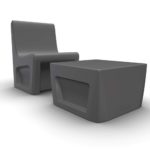
Short answer: Weighted chairs are purpose-built seating units with significantly increased mass compared to standard healthcare chairs or patient chairs. In behavioral health furniture planning, their weight is a deliberate safety & therapeutic design feature, not a byproduct of heavy construction.
How Weighted Chairs Differ From Standard Healthcare Chairs
The distinction matters when making procurement decisions. Standard patient chairs in general healthcare settings typically weigh between 15 & 30 pounds. Weighted behavioral health chairs often start at 40 to 60 pounds, with some purpose-built psych ward chairs reaching heavier specifications depending on the clinical environment.
Beyond weight, the differences include:
- Tamper-resistant or fully concealed hardware to reduce ligature risk
- Rounded profiles with no sharp edges or protrusions
- Moisture barrier, antimicrobial upholstery rated for repeated chemical disinfection
- Construction methods, often rotational molding with internal core weighting, that distribute mass evenly & prevent shifting
Standard accent chairs and decorative seating serve a completely different purpose. They may be appropriate in low-acuity outpatient waiting areas or family lounges, but they have no place in acute psychiatric spaces. The product categories exist for a reason.
Why Mental Health Facilities Are Adopting Weighted Chairs
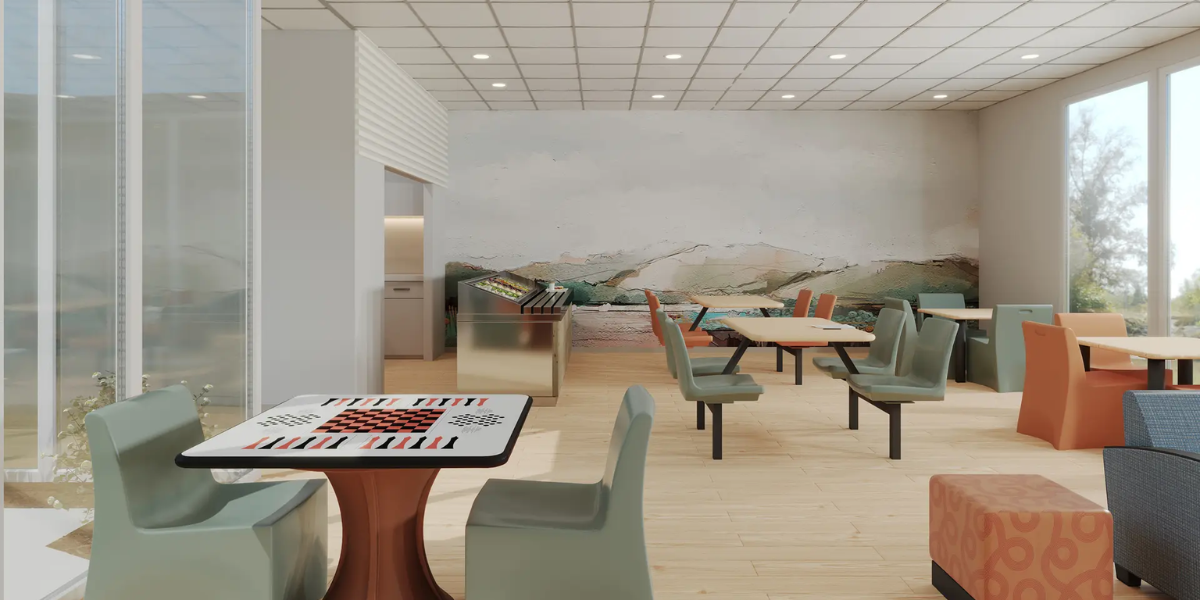
The adoption of weighted chairs across psychiatric & behavioral health settings comes down to three overlapping reasons: safety, sensory support, & therapeutic alignment.
Weaponization Prevention in Psychiatric Environments
This is the primary driver and the most practically significant. During a behavioral episode or crisis situation, lightweight furniture becomes a genuine safety risk. A chair that can be easily lifted and thrown creates hazards for other patients and staff that compound an already difficult situation.
Weighted chairs change that dynamic. A patient who attempts to move or throw a chair that weighs 50 or 60 pounds quickly encounters physical resistance that often interrupts the escalation before staff needs to intervene directly. That passive safety benefit is valuable in a way that's hard to replicate with any other environmental modification.
Facilities with high-acuity inpatient units, particularly those managing acute psychiatric episodes or forensic behavioral health populations, consistently prioritize weaponization prevention in their furniture specifications.
Key Safety Insight Lightweight furniture can become a safety hazard during behavioral escalation. Weighted chairs reduce that risk by limiting movement and lift capability.
Deep Touch Pressure (DTP) for Anxiety Reduction
The therapeutic dimension of weighted chairs is less discussed in procurement conversations but genuinely relevant. One form of sensory input is deep touch pressure, which has been shown in occupational therapy and sensory integration research to have soothing effects on the nervous system. The principle is the same one behind weighted blankets, which have been studied extensively in anxiety and autism spectrum disorder populations.
A heavy chair that provides firm, consistent physical feedback when a patient sits creates a mild but meaningful grounding effect for individuals experiencing anxiety, agitation, or sensory overload. The chair doesn't move when they shift in it. It provides a stable, predictable physical anchor in an environment where predictability can itself be therapeutic.
This benefit is more difficult to measure than weaponization prevention, but it's a real consideration in sensory-informed design approaches that many behavioral health networks are now adopting.
De-escalation Without Restraints
Behavioral health care has been moving steadily away from mechanical restraints & seclusion as primary response tools. That shift requires environmental design to carry more of the de-escalation burden. Furniture that contributes to a calming, stable sensory environment supports staff de-escalation techniques rather than working against them.
A weighted chair that stays in place, feels solid & stable under the patient, & doesn't tip or slide during agitation provides a non-invasive physical intervention that aligns with restraint-reduction philosophies. Patient-centered care approaches benefit from environments that are designed to support calm rather than simply responding to crises after they develop.
Evidence-Based Benefits in Psychiatric Furniture Design
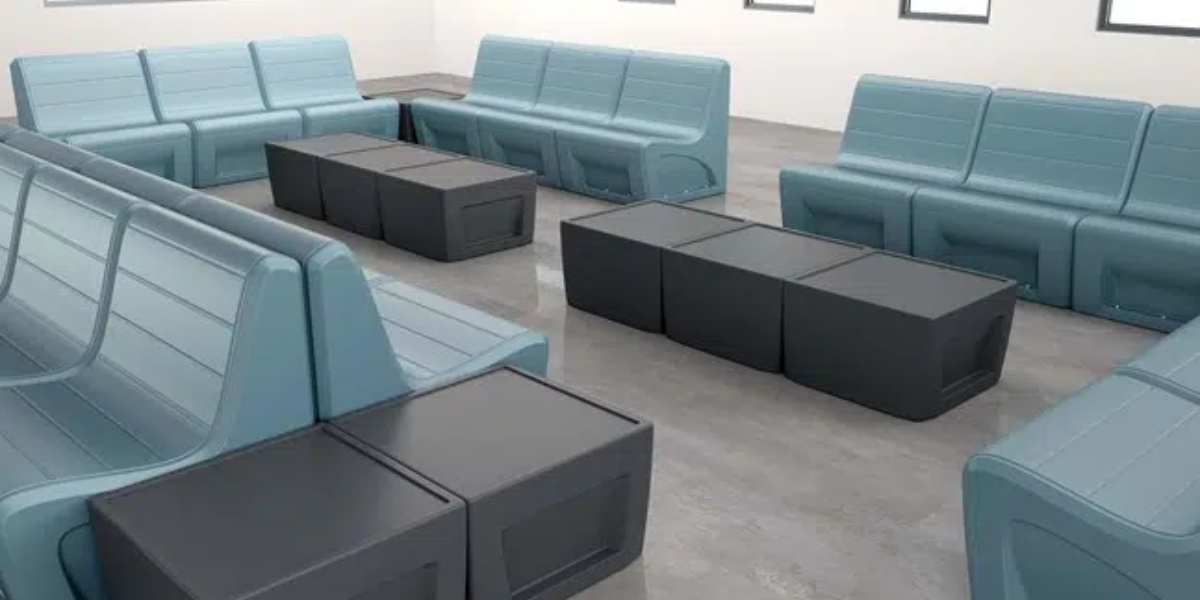
Emotional Stability and Patient Comfort
Seating that feels grounded and stable contributes to a patient's sense of physical security, which is foundational to therapeutic engagement. In group therapy rooms, dayrooms, & communal spaces, consistent weighted seating helps create environments where agitation is less likely to spread between patients.
Furniture that moves easily, tips, or creates noise when shifted can inadvertently increase environmental stimulation in spaces where sensory management is already a clinical priority.
Reduced Institutional Stigma Through Residential Design
One of the more significant shifts in modern behavioral health design is the move toward residential aesthetics in clinical environments. Spaces that feel institutional create psychological barriers to engagement & reinforce stigma. Weighted chairs are now available in designs that look like thoughtfully selected accent chairs rather than clinical equipment, allowing facilities to achieve safety specifications without creating an environment that feels punishing or dehumanizing.
This matters for patient outcomes. Environments that feel dignified & respectful of the people in them produce better engagement with care than those that communicate containment as the primary goal.
Where Weighted Chairs Are Used in Behavioral Health Environments
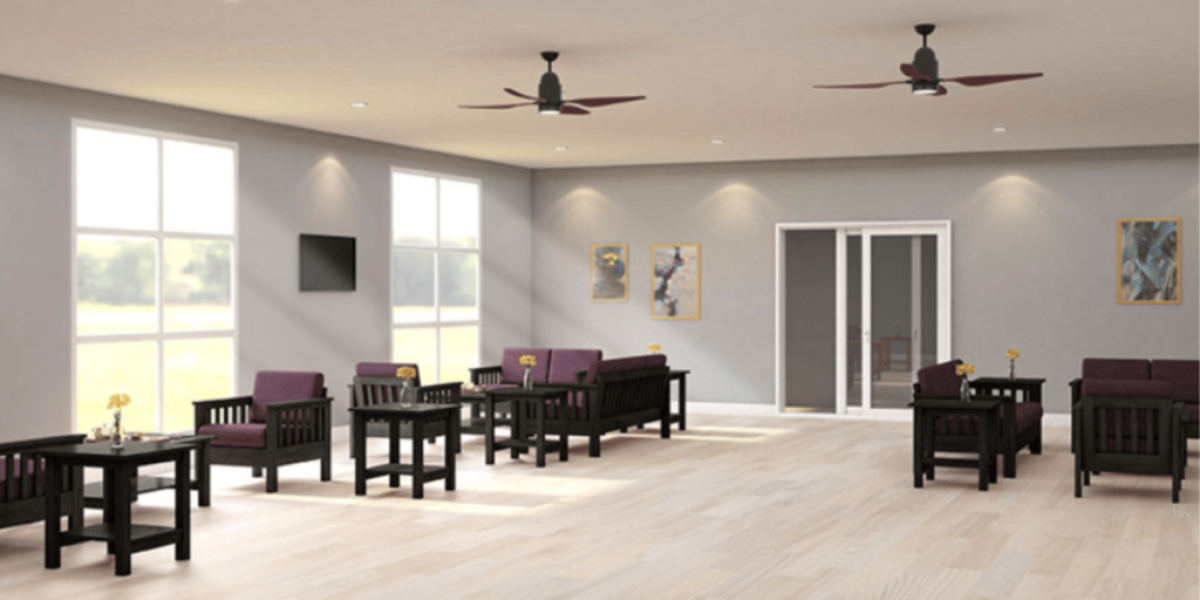
Mental health facilities serve diverse populations across varying acuity levels, & weighted seating appears across most of them:
- Acute inpatient psychiatric hospitals and locked psych wards
- Behavioral health rehabilitation and step-down units
- Group homes and residential treatment facilities
- Forensic psychiatric settings with high-security requirements
- Outpatient therapy rooms & sensory regulation areas
- Crisis stabilization units serving acute walk-in populations
Product specifications vary by setting. The most restrictive hardware setup and the heaviest weight are needed for a forensic psychiatric facility. A residential group home for adults in recovery may use weighted chairs that look more like household accent chairs but that comply with applicable safety standards for that setting.
Key Design Features of High-Quality Behavioral Health Furniture
For procurement teams evaluating weighted chairs & psychiatric chairs, the following features should appear on every specification checklist:
- Verified weight rating with consistent core weight, not sand or aggregate fill
- Anti-ligature design with no visible hardware, anchor points, or gap-based danger characteristics
- Upholstery with moisture barrier performance & repeated chemical disinfection resistance.
- Profiles are rounded, without sharp edges or projections.
- Stability tests with lateral & forward force beyond usual sitting use
- Institutional durability long-term ratings are ideal for 24-hour care settings.
Integration With Healthcare Furniture Ecosystem
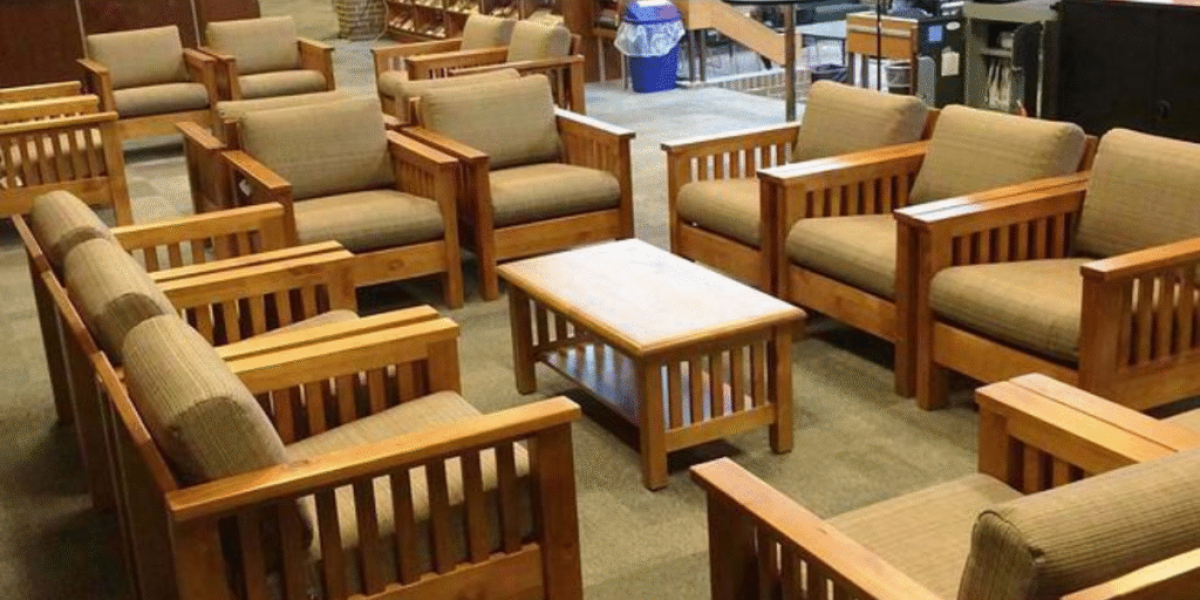
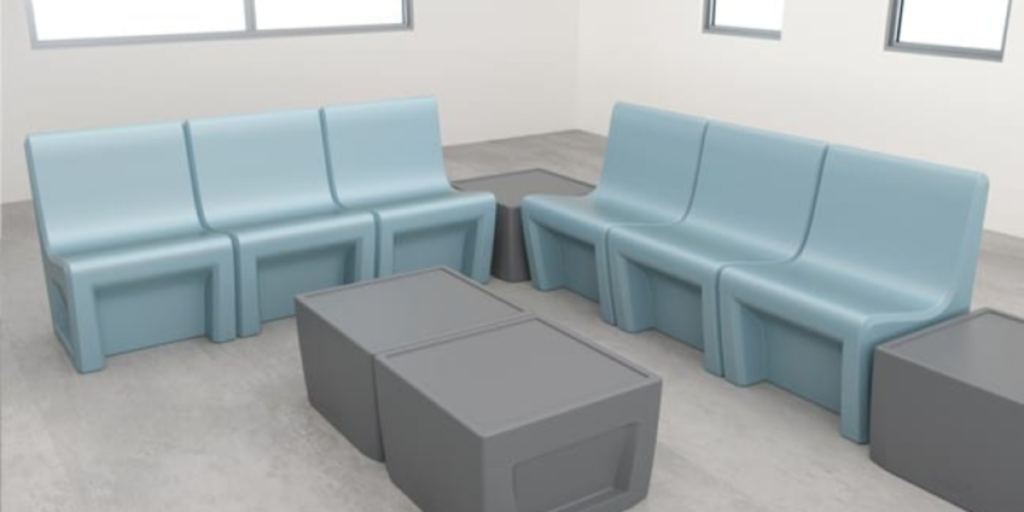
Weighted chairs are better when they are part of an overall behavioral health furniture strategy, rather than a one-off buy. Healthcare chairs & patient seats in diverse clinical settings need to meet common safety criteria while meeting varied functional needs.
Accent chairs in lower-acuity areas, weighted chairs in high-acuity spaces, & appropriate table and case goods specifications throughout the facility all contribute to an environment that manages risk without feeling restrictive to the people receiving care.
Furniture Concepts is a full-facility behavioral health furniture procurement partner working with administrators to produce cohesive specifications across all types of furniture, rather than sourcing individual pieces without a coordinated strategy.
Why Choose Furniture Concepts for Behavioral Health Furniture Solutions
Furniture Concepts brings direct experience supplying behavioral health furniture to psychiatric hospitals, residential care facilities, and behavioral health networks across the USA. The team understands the clinical, safety, & regulatory considerations that shape behavioral health procurement, & the product range covers weighted chairs, psychiatric chairs, healthcare seating, and full facility furnishing across all relevant categories.
Bulk procurement support, facility-wide furnishing strategy guidance, and long-term institutional partnerships are core parts of how Furniture Concepts works with behavioral health clients. Whether a facility is specifying a single unit or furnishing an entire campus, the approach starts with understanding the clinical environment and ends with furniture that serves it properly.
Conclusion
Weighted chairs have gone from a specialty product to a mainstream demand for behavioral health furniture across the USA, and the reasons are physical, not theoretical. They lessen the danger of weaponization, enhance sensory modulation, promote restraint-reduction strategies, and can be designed to resemble domestic furnishings instead of clinical apparatus.
For facilities managing acute psychiatric populations, the combination of safety, durability, & therapeutic alignment that weighted chairs offer makes them one of the most defensible furniture investments available. For lower-acuity settings, appropriately specified weighted or semi-weighted seating still delivers durability and stability benefits that standard patient chairs and healthcare chairs can't match.
The key is matching the specification to the clinical environment and working with a supplier who understands the behavioral health furniture category well enough to guide that process. Contact us today to support that conversation for facilities at any stage of their procurement planning.
Frequently Asked Questions
What are weighted chairs used for in mental health facilities?
Weighted chairs are used mostly in mental health facilities to prevent the furniture from being easily lifted, moved, or hurled during behavioral episodes, reducing damage risk for the patients & staff. They are employed for their sensory grounding abilities as a pathway to physical stability, which facilitates anxiety reduction & therapeutic de-escalation in psychiatric settings.
Are weighted chairs safe in psychiatric environments?
Yes. Properly specified weighted chairs are among the safest seating options for psychiatric environments precisely because they reduce the risk of furniture misuse during crises. High-quality behavioral health furniture combines weight with anti-ligature design, concealed hardware, rounded edges, & durable upholstery to address the full range of safety requirements in psychiatric and psych ward settings.
How do weighted chairs help patients' mental health?
Weighted chairs help mental health patients in two primary ways. First, they provide environmental safety by reducing the risk of furniture becoming a hazard during a behavioral episode. Second, the physical stability & consistent sensory feedback of a heavy chair can support grounding & anxiety reduction for patients experiencing agitation, sensory overload, or acute psychiatric distress.
Where are weighted chairs commonly used?
Weighted chairs are used in many behavioral health settings such as acute inpatient psychiatric hospitals, locked psych ward units, forensic psychiatric facilities, behavioral health rehab centers, residential group homes, crisis stabilization units, group therapy rooms & dayrooms. The particular weight and hardware specification depend on the acuity level and the clinical context.
What makes weighted chairs different from regular patient chairs?
Weighted chairs have more structural mass, stronger construction, & safety-oriented materials. Standard patient or healthcare chairs are not designed for psychiatric settings and are not made to remain stable during behavioral episodes, with the possibility of movement, tipping, or misuse.