











Furniture
How Multi-Facility Behavioral Health Providers Standardize Rehab-Driven Furniture
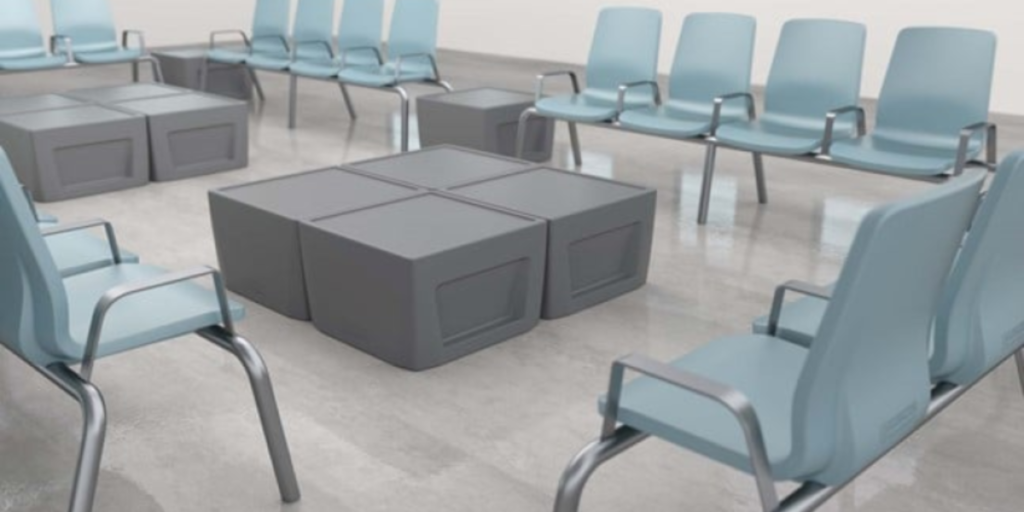
You can sense the purpose behind every detail when you go around a well-managed mental health campus. The areas are serene. The rooms have a pleasant sense of predictability. Team can focus on providing care rather than continuously maintaining the surroundings while patients can settle in. It is difficult for that consistency to occur by…
Read MoreHow Wholesale Furniture Programs Support Humanizing Design Consistency
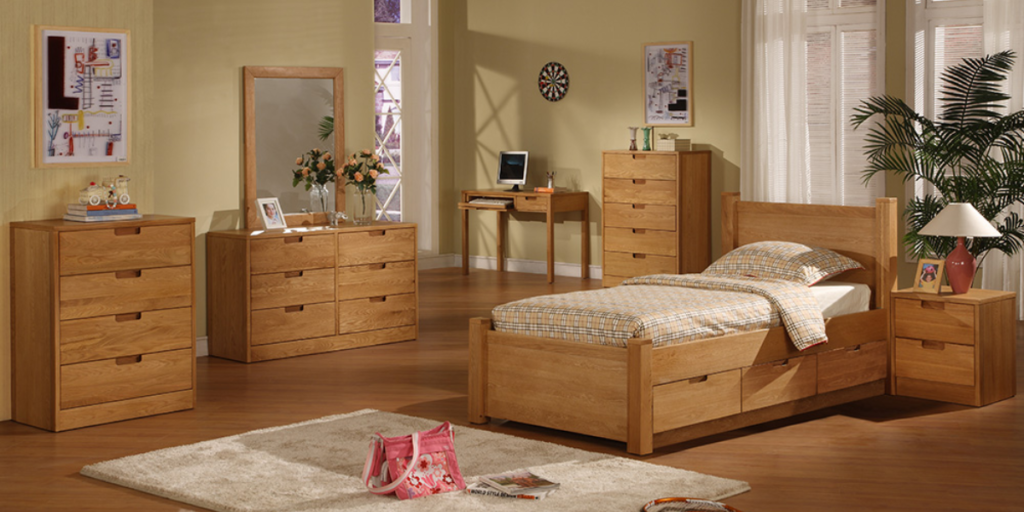
It doesn’t just happen that people feel comfortable in certain places. It takes clear goals, patience, and alliances you can trust. The goal is the same whether the area is a hotel lobby, a multifamily community, an office, or a public place that people share. Build places that feel welcoming, connected, and grounded in real…
Read MoreHow Wholesale Furniture Procurement Reduces Long‑Term Costs for Healthcare, Shelters, and Group Living Facilities
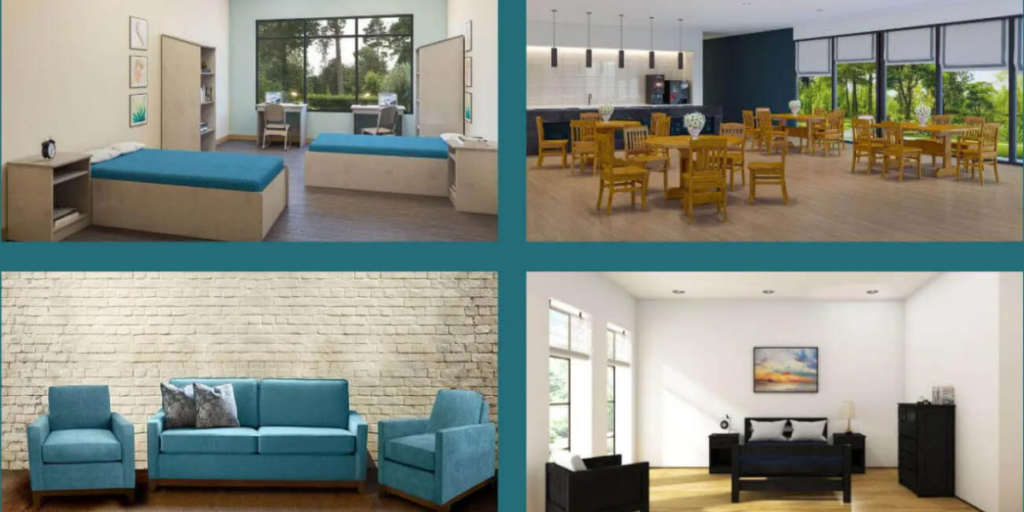
At the beginning, furniture choices never seem to be urgent. The majority of the facilities are concerned with budgets, timelines, and the preparation of rooms that can be used. The furniture is ordered, installed, and ticked off the list. Then time passes. Chairs loosen. Beds creak. Several times they get chipped as they are washed.…
Read MoreWhy Weighted Furniture is Essential in Safety Risk Planning for Shelter Homes
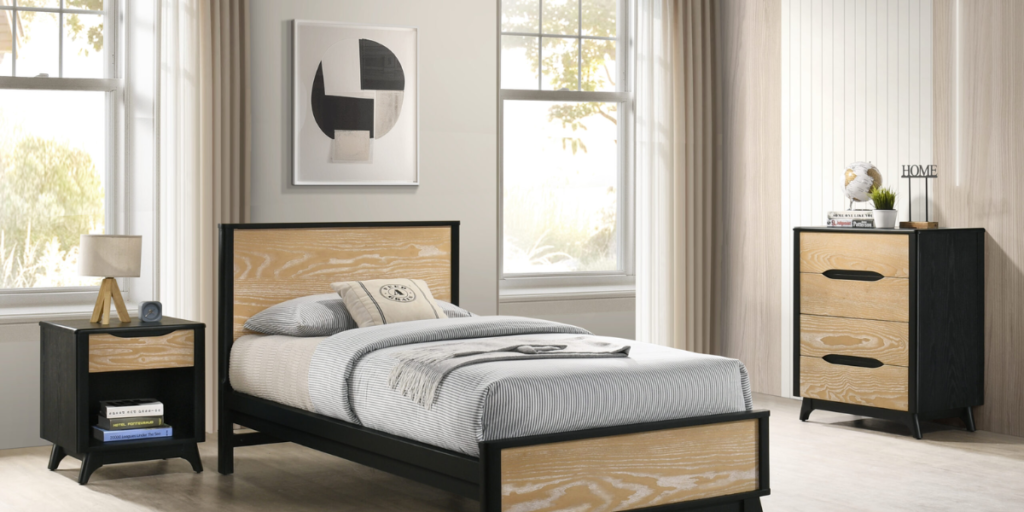
Running a shelter home in Ohio means carrying a profound responsibility for keeping every resident safe every single day. Whether you manage an emergency shelter, a women’s shelter, or a transitional housing facility, safety risk planning forms the foundation of your operation. And one of the most overlooked elements of that planning is the furniture…
Read MoreThe Art of Furniture Material Selection: Creating Humanizing Environments Through Texture
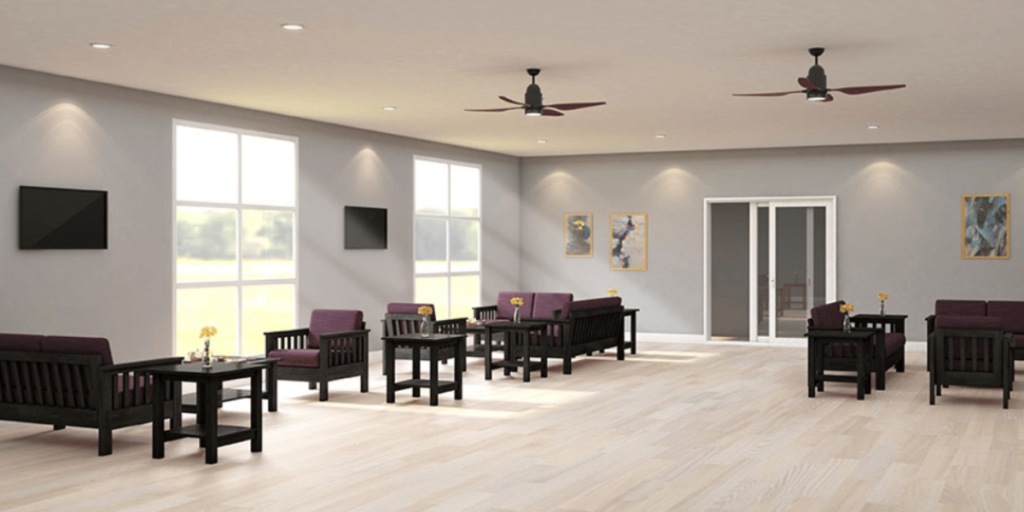
Furniture has always served a functional purpose, but today it carries a deeper responsibility. It shapes how we feel in a space. It influences comfort, focus, conversation, and even well-being. The art of furniture lies in understanding that every surface we touch and every texture we see contributes to the overall experience of a room.…
Read MoreFurniture Strategies to Prevent Tampering & Contraband in SUD Housing
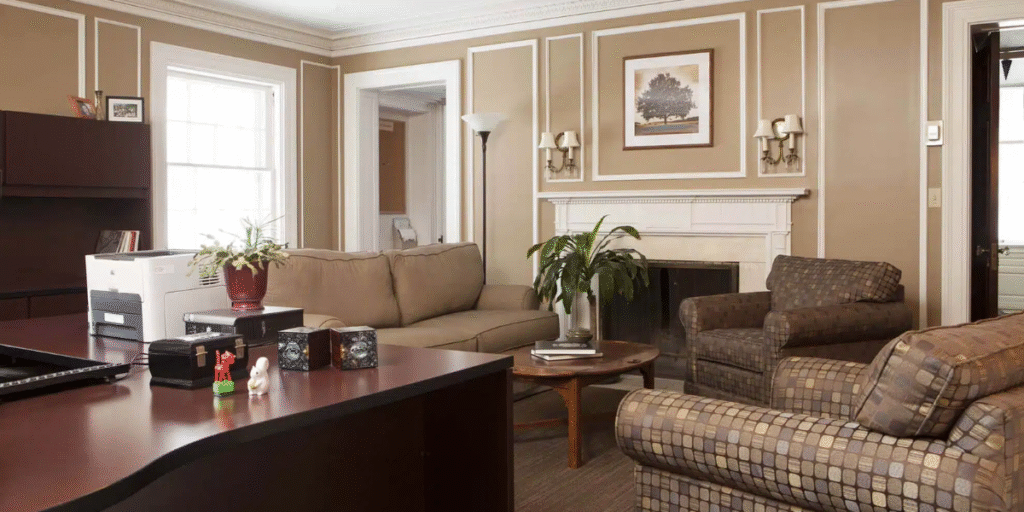
Recovery housing succeeds when safety, dignity, and predictable routines work together. Residents need spaces that feel calm yet remain difficult to tamper with or exploit for concealment. Thoughtful procurement and layout choices reduce opportunities for manipulation and help staff focus on care. Selecting durable furniture that resists prying and impact builds a stable foundation for…
Read MoreIntentional Design vs Cost Pressures: How Wholesalers Balance Both
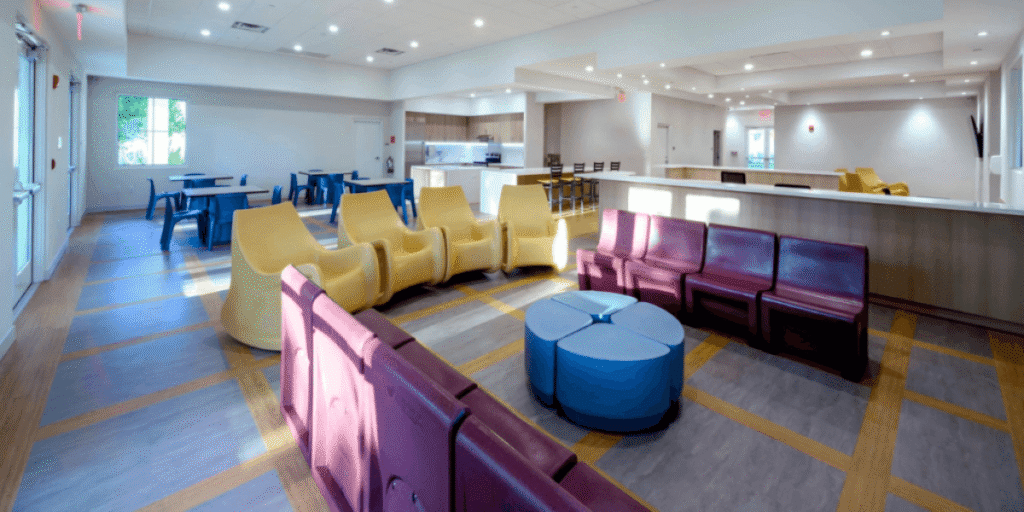
Behavioral healthcare and human services facilities face a persistent challenge: creating therapeutic environments that support healing and recovery while operating within strict budget constraints. This tension between intentional design and financial reality shapes every furnishing decision, from selecting seating for group therapy rooms to outfitting outdoor gathering spaces. A skilled furniture wholesaler addresses this challenge…
Read MoreWhat Furniture Features Most Effectively Contribute to Genuinely Calming Spaces in Human Services Environments?
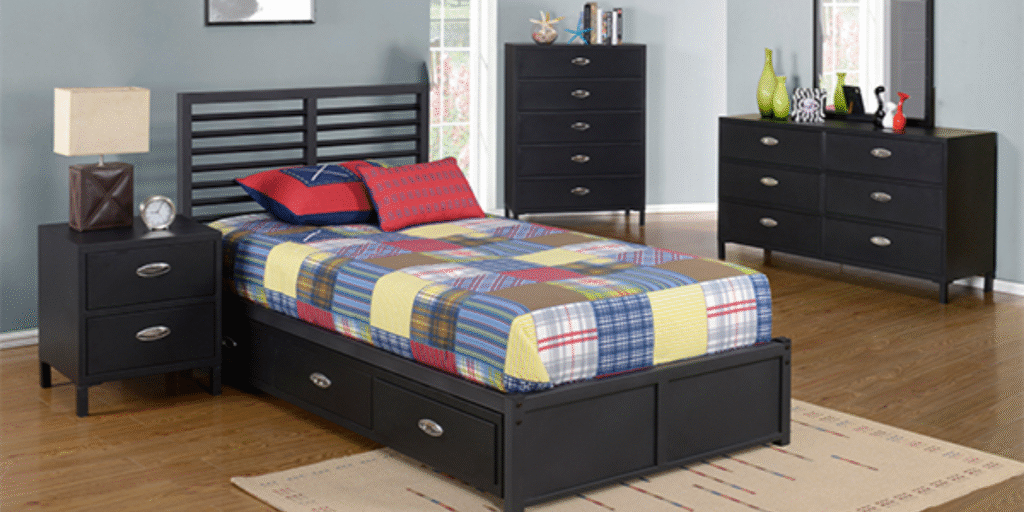
Furniture shapes how people feel, focus, and connect in care and treatment environments. Thoughtful choices support emotional regulation, dignity, and daily functioning for residents and staff alike. By pairing clinical requirements with a welcoming, residential feel, spaces can foster calm, engagement, and therapeutic momentum. This article outlines the features and practices that create truly restorative…
Read MoreCan Bulk Metal Furniture Purchases Improve Operational Efficiency for Human Services Programs?
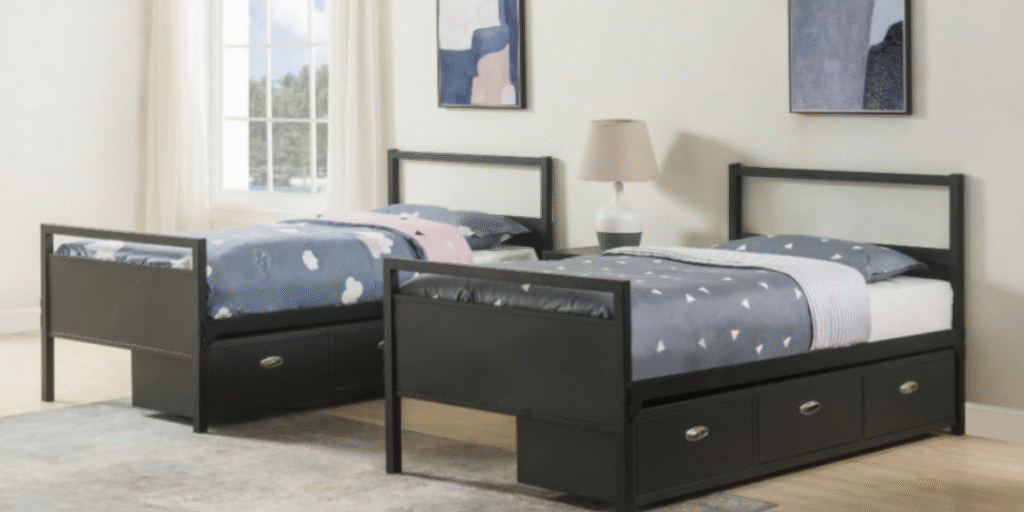
Human services programs manage busy, high-touch environments that demand reliable furnishings and streamlined operations. Bulk purchasing can reduce friction across procurement, logistics, and facility management while supporting resident experience and staff productivity. Selecting durable options like metal furniture creates dependable, consistent spaces that stand up to daily use. Strategic sourcing through wholesale metal furniture and…
Read MoreIs The Furniture ADA-Compliant?
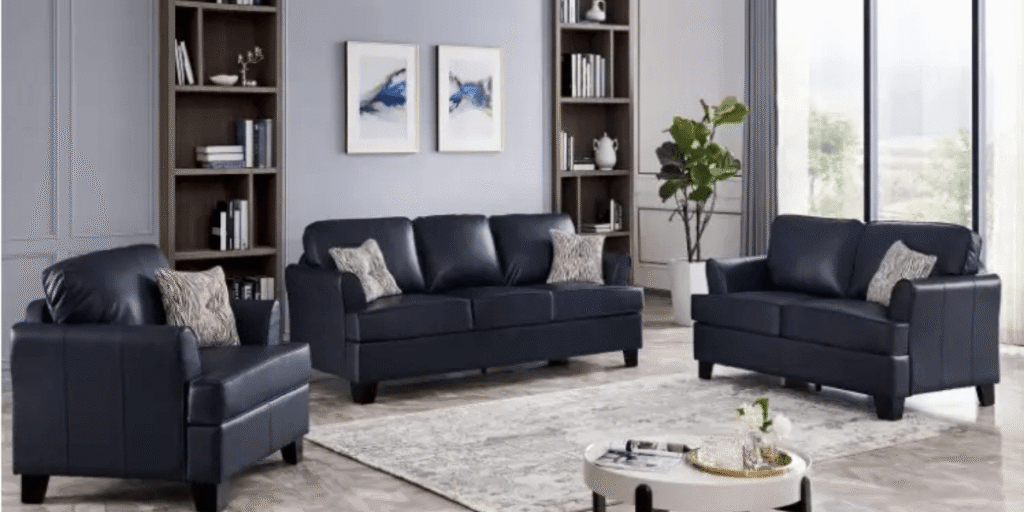
It’s essential to create environments that are both accessible and inclusive, as this is a legal requirement and a professional obligation. In behavioral healthcare, residential, and human services settings, accessibility allows every individual, including those with disabilities, mobility challenges, or those in recovery, to participate in daily activities and care programs. There is no official…
Read MoreWhat Materials Are Best For Long-Lasting Group Living Environments
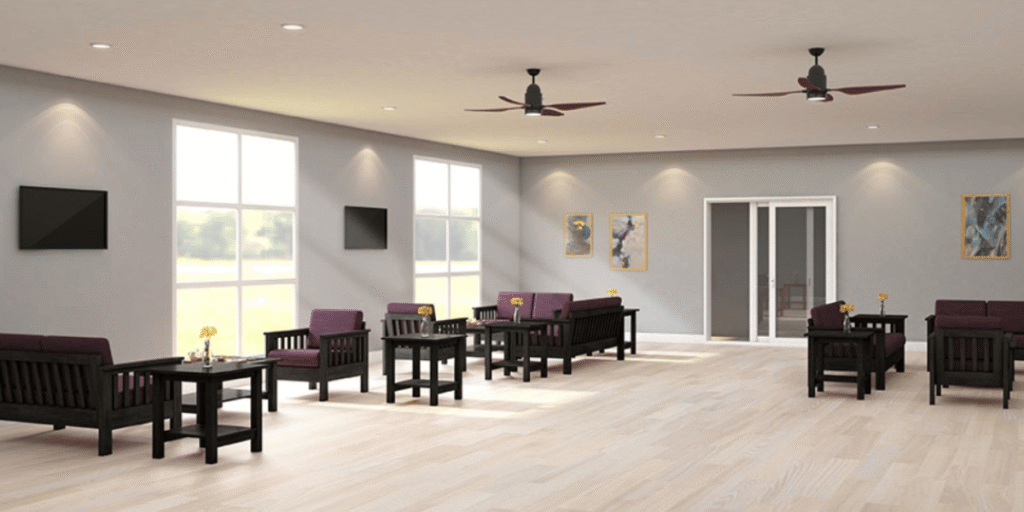
Selecting the right furniture materials for group living environments plays a vital role in creating safe, hygienic, and long-lasting spaces. Whether in a behavioral health setting, transitional housing, or supportive community living, furniture must withstand constant use, frequent cleaning, and exposure to moisture and disinfectants. Strong, easy-to-maintain materials promote both durability and cleanliness, supporting resident…
Read More