








Furniture Strategies to Prevent Tampering & Contraband in SUD Housing
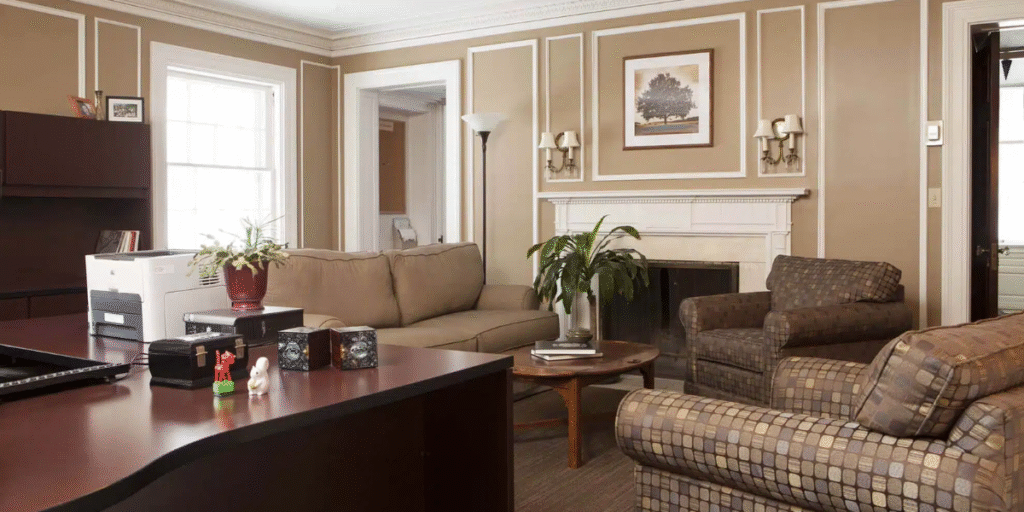
Recovery housing succeeds when safety, dignity, and predictable routines work together. Residents need spaces that feel calm yet remain difficult to tamper with or exploit for concealment. Thoughtful procurement and layout choices reduce opportunities for manipulation and help staff focus on care. Selecting durable furniture that resists prying and impact builds a stable foundation for daily life. Specifying ligature-resistant furniture in higher-risk zones protects vulnerable residents without creating a punitive atmosphere. Coordinating institutional furniture inside with durable outdoor furniture in courtyards keeps security consistent across the entire campus.
Understanding the Safety & Security Challenges in SUD Housing
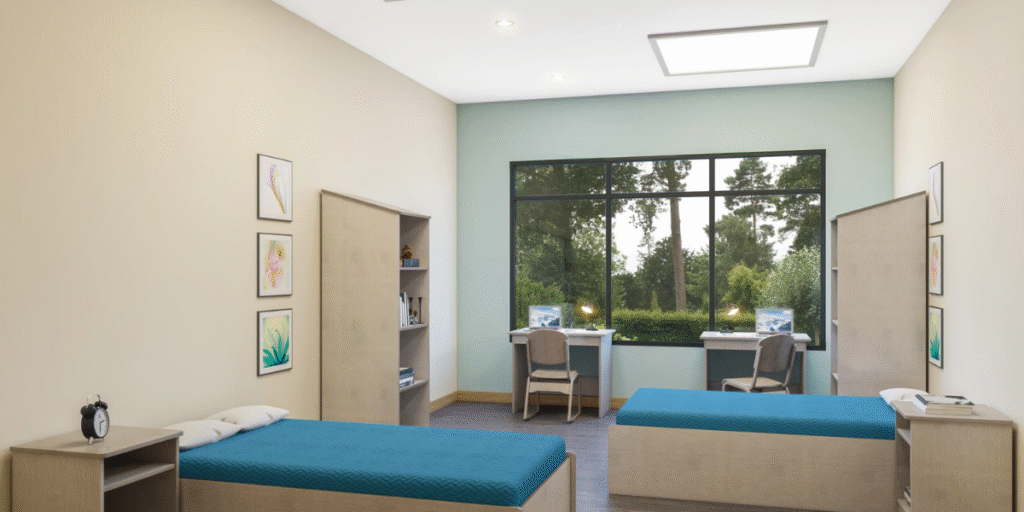
Every recovery environment faces a mix of predictable and emerging risks. Facility leaders need a clear view of misuse patterns and the role furniture plays in prevention.
Behavioral and Environmental Risk Factors
Stress, craving cycles, and environmental triggers can drive attempts to pry, carve, or stash items. Selecting durable furniture minimizes loose parts and break points that invite manipulation. Purpose-built institutional furniture reduces seams, fasteners, and paneling that are easy to exploit. When the environment feels stable and predictable, misuse tends to decline.
Why Furniture Plays a Central Role
Furniture touches every moment of the day, so performance directly influences safety. Well-engineered, durable furniture functions as a control point by resisting impact and hiding fewer items. Clear forms and simplified details in institutional furniture improve visual scanning and routine checks. The result is steadier oversight with fewer surprises during rounds.
Furniture Selection Strategies to Minimize Hiding Spots
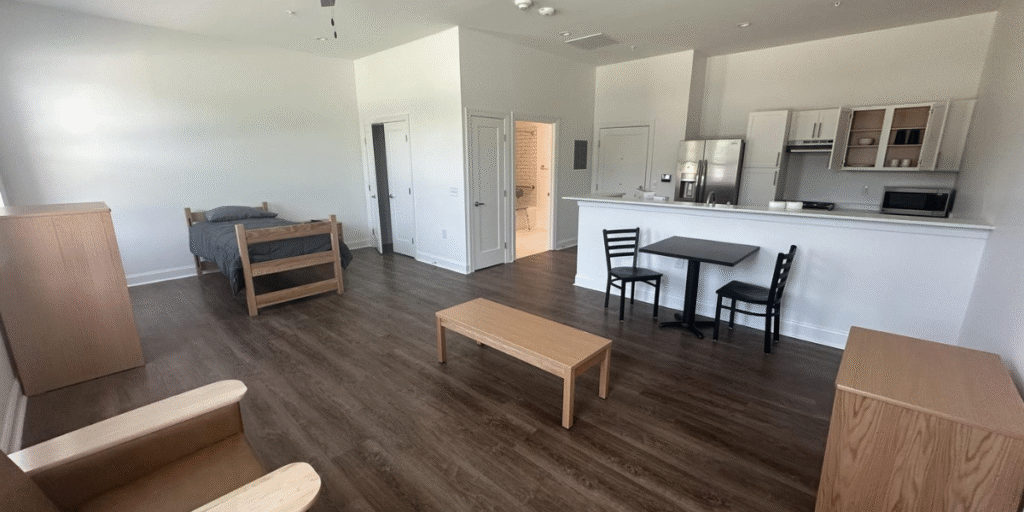
Room layouts matter, but the biggest gains often come from closing off hollow spaces and removable parts. The goal is to eliminate concealment while preserving comfort.
Seamless, One-Piece Designs
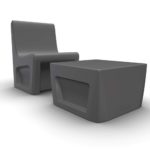
Molded shells and single-piece cores remove cavities where contraband might be tucked. This approach produces durable furniture that tolerates daily wear without splitting at joints. Streamlined institutional furniture reduces pry points and makes inspections faster. Where risks are elevated, compatible ligature-resistant furniture can be layered into the same aesthetic.
Avoiding Unnecessary Features
Decorative toe kicks, false bottoms, and removable cushions create needless hiding places. Simplified institutional furniture favors closed bases and integral surfaces instead of add-ons. Carefully selected ligature-resistant furniture avoids protrusions that could become anchor points. Leaner designs also speed cleaning and daily walk-throughs.
Solid Construction to Prevent Manipulation
Dense cores resist carving and prying that could create stash areas or sharp edges. Hard-wearing, durable furniture made from resin, composites, or solid surfaces offers stability. Monolithic institutional furniture reduces loose hardware and exposed joinery that can be dismantled. Consistency across a program limits weak spots from unit to unit.
Tamper-Proofing & Durability for Long-Term Safety
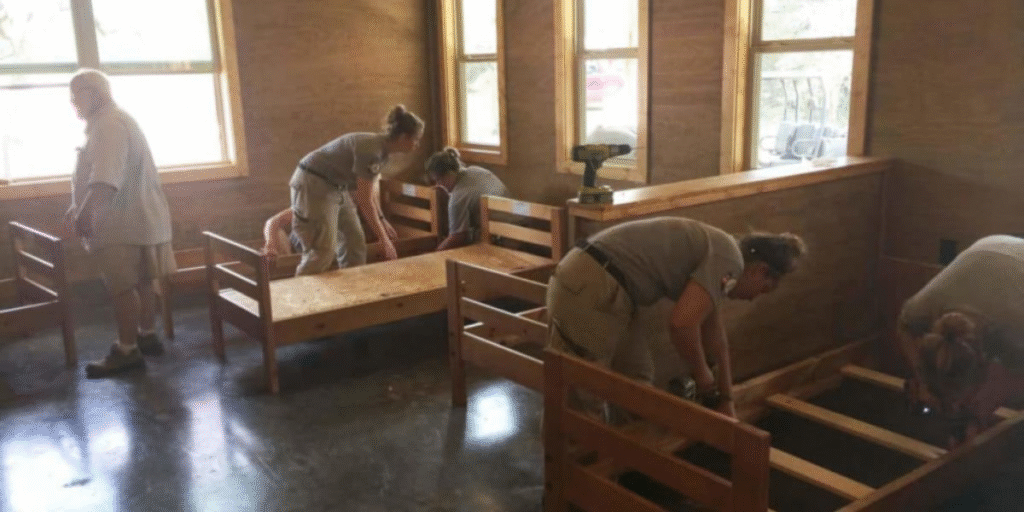
Longevity is a safety feature, not just a budget outcome. The fewer components that loosen or fail, the fewer opportunities for concealment or weaponization.
Heavy, Ballasted, or Bolted-Down Furniture
Anchored placement keeps pieces from being dragged into barricades or used for impact. Secured institutional furniture prevents items from being hidden behind units or forced into gaps. Weighted cores deliver durable furniture stability in high-traffic dayrooms and lounges. Fixed layouts also make camera coverage and supervision more consistent.
Tamper-Resistant Hardware and Secure Fastenings
Shrouded or non-removable fasteners protect vulnerable junctions from casual tools. When hardware is minimized within institutional furniture, the chance of component theft drops. Thoughtful detailing results in durable furniture that resists picking, wedging, and torque. Fewer exposed parts mean fewer repairs and safer daily routines.
High-Strength Materials
Impact-resistant shells and scratch-resistant surfaces help preserve structural integrity. With durable furniture, normal wear does not create the gaps and splinters that become stash points. Purpose-built institutional furniture stands up to frequent cleanings, UV exposure, and rolling loads. Reliable performance supports consistent behavior expectations across the community.
Design for Oversight, Visibility & Easy Inspection
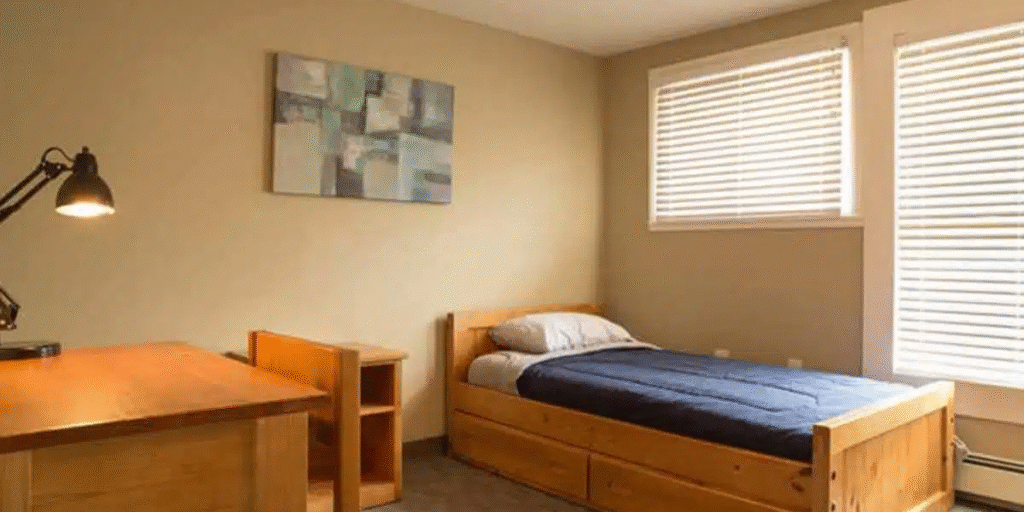
Safety improves when rooms can be scanned quickly, and small changes are easy to spot. Layout and furniture should work together to reveal, not conceal.
Open Designs & Shallow Profiles
Raised bases and shallow depths allow staff to see under and around pieces with a quick glance. Visual access is simpler when durable furniture maintains compact silhouettes that do not create dark voids. Clear lines reduce visual noise and support calm, predictable environments. Frequent walkthroughs then require less intrusion.
Easy-to-Clean and Easy-to-Inspect Surfaces
Smooth finishes show tampering marks and hidden dust that might indicate concealment. Wipeable skins on institutional furniture speed cleaning while revealing tamper attempts. Regular housekeeping becomes an early-warning system instead of a rushed task. Consistent cleaning standards serve both hygiene and safety.
Routine Inspection & Maintenance Protocols
Scheduled checks catch loosened feet, gouges, or pried corners before problems escalate. Logging small fixes helps identify patterns by room type or unit. When durable furniture remains intact over time, resident expectations stay consistent. Maintenance teams then spend less time on emergency repairs and more on prevention.
Ligature-Resistant Solutions for Higher-Risk Spaces
Certain units carry elevated self-harm risk and call for specialized designs. The right features reduce attachment options while preserving calming aesthetics.
Eliminating Anchor Points
Rounded edges, sloped tops, and integral bases restrict tie-off opportunities. Purpose-designed ligature-resistant furniture uses disciplined geometry to remove attachment points. Seamless shapes complement the open forms used in high-visibility spaces. This approach supports rapid, unobstructed scanning during rounds.
Trauma-Informed Yet Secure Furniture
Residents benefit from warm finishes and familiar silhouettes that do not feel punitive. Well-chosen ligature-resistant furniture can incorporate color and tactility without adding risks. Where softness is desired, layered materials still maintain closed construction. Comfort and security move in step when features are selected with intention.
Material Choices for Institutional Furniture
Materials influence longevity, maintenance, and daily experience. Selection should balance strength, comfort, and cleanability.
Rotational-Molded, Resin, and Composite Materials
Seamless shells resist cracking and delamination that create stash points. These cores hold up as ligature-resistant furniture components where geometry further reduces risk. They also perform well as durable outdoor furniture in courtyards that need secure seating. Using the same palette indoors and out keeps behavior expectations steady, and durable outdoor furniture supports consistent supervision zones.
Metal, Solid Surface, and Hybrid Materials
Enclosed metal frames deliver stability while protecting junctions from prying. Where appropriate, profiles can support ligature-resistant furniture specifications through smooth, continuous planes. Solid surfaces resist staining and withstand frequent sanitation in clinical-adjacent areas. Hybrid builds blend comfort layers with hard-wearing shells that protect the core.
Upholstery That Minimizes Risk
Fixed cushions and sealed seams discourage picking and concealment. When paired with ligature-resistant furniture, upholstery can be secure without feeling institutional. RF-welded seams and tear-resistant textiles add performance without harsh textures. Longevity improves when fabrics match the space’s traffic and cleaning regimen.
Environmental Design Strategies to Limit Tampering & Contraband
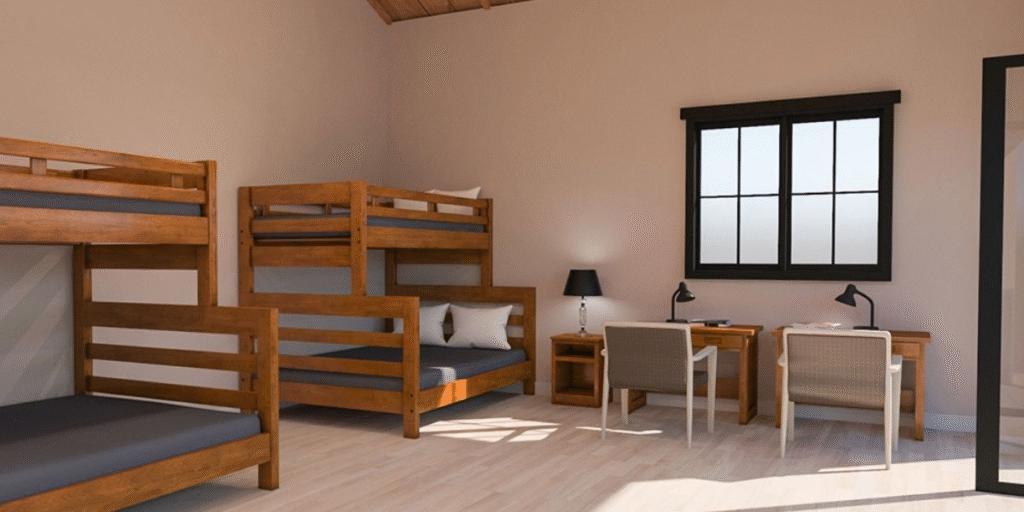
Furniture choices work best inside a coherent plan for sightlines and flow. The built environment should remove blind spots while supporting calm movement.
Clear Sightlines & Open Layouts
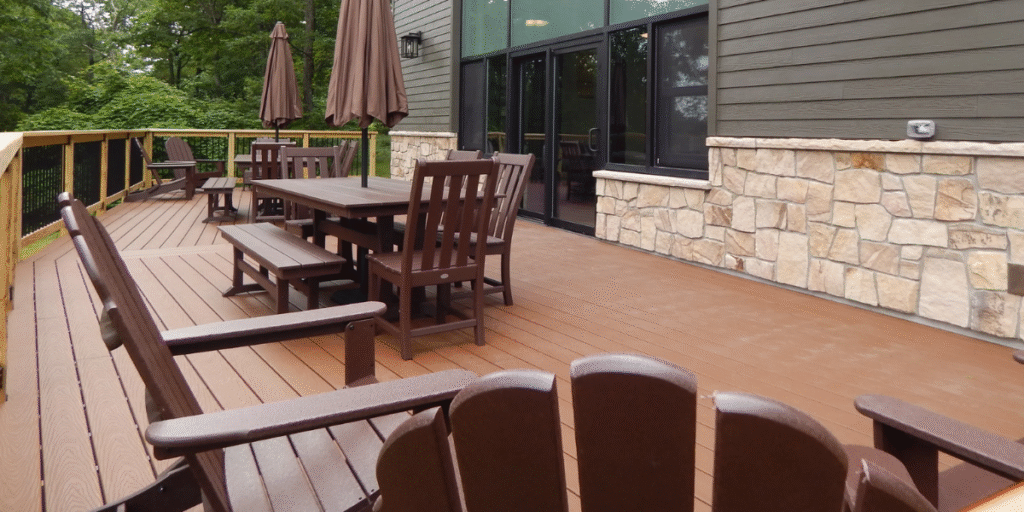
Place seating to preserve straight views from staff stations to doorways and beds. Avoid tall backs and deep arms that create shadowed pockets. In courtyards, arrange durable outdoor furniture to maintain unobstructed views between entry points. Consistent layouts help residents anticipate expectations.
Appropriate Lighting
Bright, even illumination helps staff catch early signs of tampering. Glare-free fixtures keep surfaces readable during rounds. Exterior zones benefit from lighting that pairs well with durable outdoor furniture geometry. Balanced light supports both comfort and supervision.
Designing for Safe Traffic Flow
Circulation paths should reduce tight corners and hidden alcoves that invite concealment. Door swings and furniture footprints must leave clear egress during incidents. On patios and walkways, spacing durable outdoor furniture prevents crowding and blockages. The result is easier movement and calmer common areas.
How Furniture Concepts Supports Safe, Recovery-Focused Environments
We specialize in helping programs standardize safety and dignity across campuses with reliable sourcing, fast fulfillment, and coordinated support. As a wholesaler, we curate proven product families and manage procurement so teams can focus on care, not chasing vendors.
Our Purpose-Built, Heavy-Duty Product Line
We aggregate beds, seating, tables, and mattresses engineered for institutional service life, then guide you to the right mix for each unit type. Our catalog emphasizes closed-construction, tamper-resistant designs that reduce concealment and speed inspection. We coordinate interior and exterior collections so your dayrooms, bedrooms, and courtyards share a cohesive safety standard. You get vetted options, consolidated purchasing, and consistent availability across phases.
Trauma-Informed, Non-Institutional Aesthetic
We source pieces that balance secure geometry with warm, residential character. Our selections favor rounded profiles, calm finishes, and tactile comfort that supports recovery without inviting tampering. We help you build a palette that feels welcoming to residents and intuitive for staff. The result is an environment that promotes calm while maintaining predictable oversight.
U.S. Manufacturing, Transparent Pricing & Program Support
We prioritize U.S.-made and North American options within our supplier network while providing clear, line-item pricing and dependable lead times. Our wholesale programs include bulk ordering, quick-ship inventory, and phased delivery to align with construction or refresh schedules. We provide layout guidance, anchoring recommendations, and install coordination through a single point of contact. Budget planning is simpler when sourcing, logistics, and documentation live under one roof.
Partnering With Facilities to Improve Safety
We collaborate with treatment centers, recovery homes, and behavioral health facilities to match risk profiles to the right product tiers. Our team supports pilots, gathers feedback from staff, and refines specifications before scaling campus-wide. We review maintenance data and incident patterns to strengthen selections over time. Together, we build a repeatable standard that supports safety, oversight, and long-term recovery outcomes.
Conclusion
Safety in SUD housing thrives when product selection, layout, and daily practice pull in the same direction. Pick closed-construction pieces, establish clear sightlines, and train teams to recognize early signs of manipulation. A coordinated approach reduces concealment, stabilizes routines, and nurtures dignity.
Ready to standardize safety across your program with a wholesale partner that understands SUD housing. Contact us to review your spaces, set priorities, and build a phased sourcing plan that fits your timeline and budget.