







Integrating Therapeutic Furniture Solutions Into Wholesale Procurement Plans
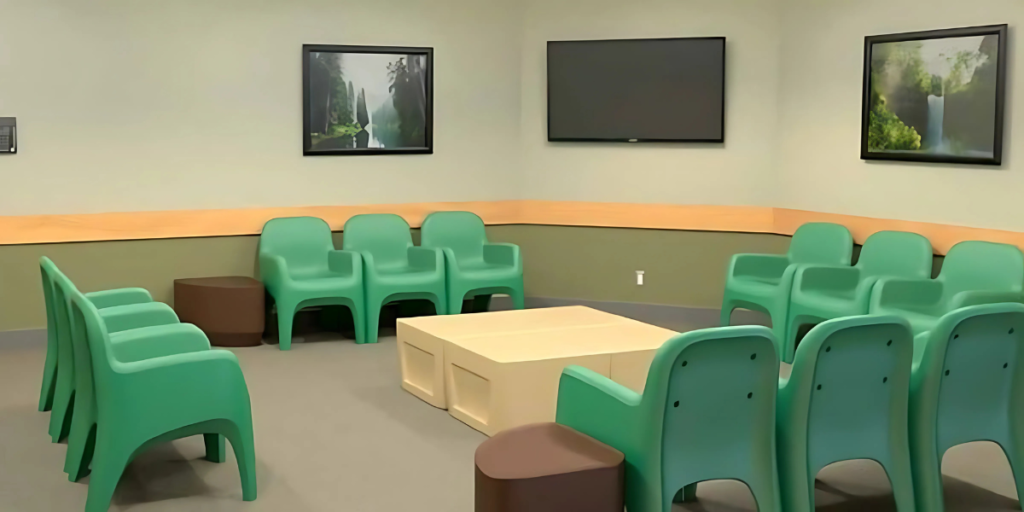
Wholesale procurement teams across Ohio are getting asked to do a lot at once: control costs, meet strict compliance standards, and still support environments that feel calm, respectful, and safe. That’s exactly where therapeutic furniture fits into the conversation.
When procurement plans treat therapeutic furniture as a core requirement (rather than a last-minute add-on), facilities end up with spaces that hold up to heavy use, simplify cleaning, reduce safety risks, and support better day-to-day experiences for patients, residents, and staff. The key is knowing what to specify, how to structure bids, and how to evaluate vendors so the furniture performs the way it needs to in real life.
Below is a practical, procurement-focused blog guide for integrating therapeutic furniture into wholesale plans, with an emphasis on the needs commonly seen in behavioral health, med-psych, treatment and recovery, and supportive housing settings.
Why therapeutic furniture belongs in procurement planning early

Procurement plans work best when the furniture requirements reflect how the facility actually operates. In high-traffic care environments, furniture is constantly pushed, cleaned, moved, and used hard. Standard commercial furniture often fails early, becomes difficult to sanitize, or creates safety concerns. That drives replacement cycles, adds maintenance burdens, and interrupts operations.
Planning early around therapeutic furniture helps procurement teams:
- Reduce avoidable replacement costs by choosing high-durability construction up front
- Support infection-control protocols with cleanable, non-porous surfaces
- Improve safety in higher-risk environments through design features that limit tampering and self-harm risks
- Maintain patient dignity with designs that avoid a cold, institutional feel
- Standardize selections across multiple units or locations without sacrificing function
This is where the right wholesale strategy matters. Wholesale therapeutic furniture isn’t only about volume pricing. It’s about selecting products engineered for environments where safety, durability, and sanitation are daily requirements.
Key considerations for Ohio procurement teams
Ohio-based procurement often involves a mix of public funding requirements, bid compliance, and strict performance expectations from facility leadership. When integrating therapeutic furniture into a procurement plan, three areas usually shape the outcome: bid structure, compliance, and vendor capability.
1) Build a specialized procurement structure (instead of one giant furniture package).
Large, single-bid furniture packages can look efficient on paper, but they often lead to compromises. A dining chair requirement gets treated the same as a med-psych lounge seating requirement, even though the performance expectations are completely different.
A more effective approach is to break the project into function-based packages, such as
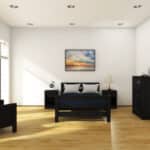
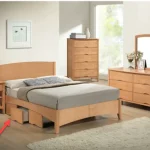
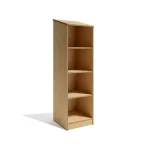
- Patient/resident bedroom furniture
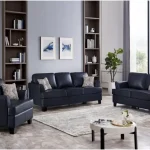
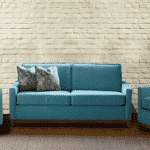
- Lounge and dayroom seating
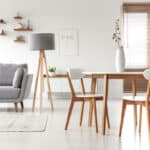
- Dining and community tables/chairs
- Staff areas and administrative spaces
- Group rooms and therapy spaces
- Reception, waiting, and visitor seating
This structure lets procurement teams apply the right specs to each category. It also improves quality control and makes it easier to compare vendors who specialize in particular environments.
2) Treat bid compliance and standards as a product requirement, not paperwork.
For care settings, therapeutic furniture needs to support both safety and sanitation standards. That typically means clear requirements for:
- Non-porous or sealed surfaces that tolerate frequent cleaning
- Materials and finishes that resist moisture and staining
- Designs with fewer seams, cracks, and traps for debris
- Options that align with behavioral health safety expectations when needed
- Durability under constant use, moving, and occasional misuse
In behavioral health and med-psych environments, procurement specs should also address risk reduction details such as concealed hardware and tamper-resistant construction. Those are not “nice-to-have” features in higher-acuity areas. They can be essential to a safer unit.
3) Select vendors with real behavioral health and high-risk environment experience.
A vendor can be compliant on paper and still not understand what the space requires. The best outcomes come from vendors who can speak to the realities of high-traffic, high-impact settings and who can document how the furniture performs.
When evaluating suppliers for wholesale therapeutic furniture, look for evidence in:
- Past work with behavioral health, treatment centers, supportive housing, or healthcare
- Product designs that provide safety while still looking warm and residential
- Availability of replacement components to extend product life
- Clear cleaning guidance and material performance data
- Consistency across product lines so the facility can standardize
Teams often describe the goal as “safe without looking punitive.” That’s where thoughtful product design makes a measurable difference.
Therapeutic and functional furniture types that procurement plans should include
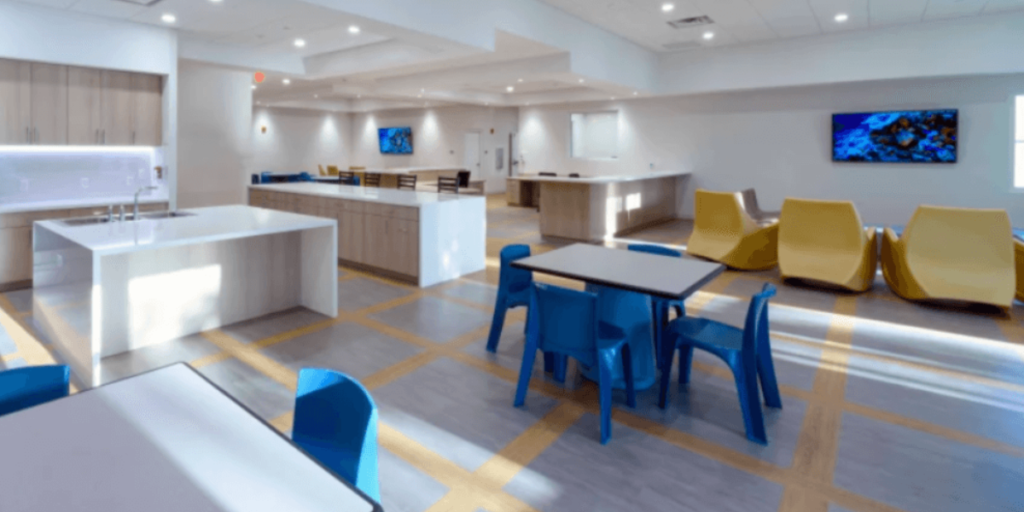
Procurement decisions get easier when the furniture list is tied to actual use cases. Here are the categories that tend to drive the biggest impact when a facility integrates therapeutic furniture into a wholesale plan.
Behavioral health and med-psych environments
Behavioral health spaces need furniture that supports dignity while limiting risk. For many facilities, this means:
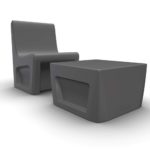
- Modular seating that can be reconfigured without tools
- Durable lounge and dayroom seating with strong internal frames
- Rounded corners and softened edges
- Designs that reduce opportunities for concealment or tampering
- Construction that supports concealed or protected hardware in higher-risk areas
For these settings, therapeutic furniture benefits often show up as fewer broken components, fewer safety incidents related to furniture failure, and fewer disruptions from constant replacements.
Shelter and supportive housing settings
Supportive housing and shelter environments require furniture that is heavy-duty, easy to clean, and flexible enough to serve multiple purposes. Practical options include:
- Stackable seating for common areas
- Hard-working dining tables and chairs designed for constant turnover
- Bedroom furniture that resists damage and is simple to maintain
- Multi-use pieces that support changing occupancy needs
Here, bulk therapeutic furniture ordering often makes sense, especially when a facility needs consistent product performance across multiple rooms, units, or locations.
Inclusive solutions: bariatric-friendly and accessible furniture
Procurement plans often overlook inclusive sizing and accessibility until late in the process. Building it into the plan early allows the facility to serve more people comfortably and safely.
A complete therapeutic furniture package often includes:
- Bariatric-capable seating options with appropriate weight ratings
- Seating with supportive arms and stable bases for safer transfers
- Height-appropriate options for varied mobility needs
- Durable construction that performs under daily use
This is also a place where therapeutic furniture trends are moving in a positive direction: better-looking, inclusive options that match the space aesthetically rather than standing out as “special” furniture.
Customization that supports sanitation and long-term upkeep
Customization can be helpful, but procurement teams usually care most about practical customization, such as
- Replaceable seat and back components
- Cushion options designed for hygienic performance
- Material choices that align with cleaning protocols
- Consistent finish selections that simplify future purchasing
For facilities that want to reduce downtime and extend product lifespan, replaceable components can be one of the strongest therapeutic furniture benefits to prioritize.
Strategic wholesale procurement best practices
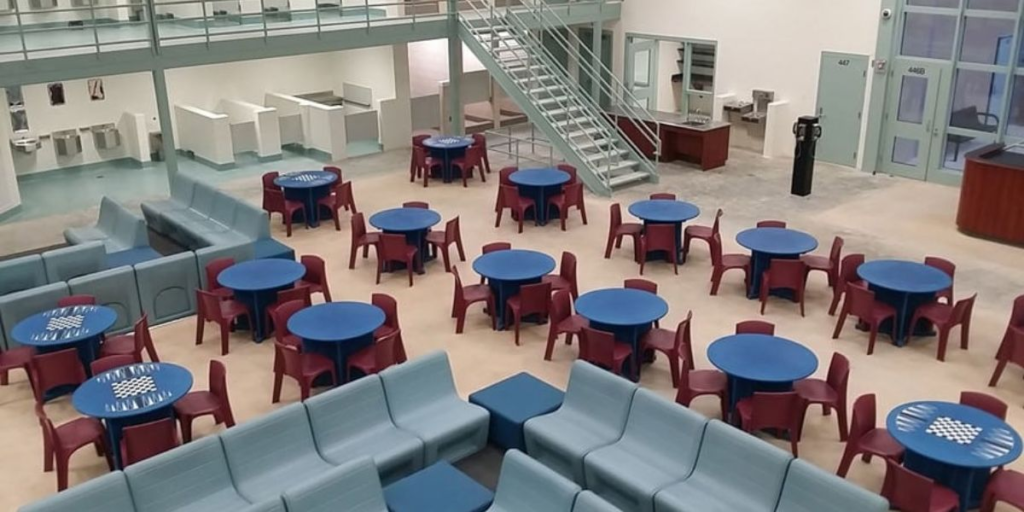
Procurement plans succeed when they connect specs to operational reality. These best practices help teams purchase therapeutic furniture that performs under pressure.
Prioritize durable, safe materials for high-traffic care settings.
Material selection often determines whether furniture lasts years or fails quickly. Durable choices commonly include:
- Heavy-duty wood or reinforced wood products with sealed finishes
- Molded or solid-surface materials where appropriate
- High-performance upholstery options designed for frequent cleaning
- Frames engineered for repeated impact and movement
In many settings, rounded edges and reinforced corners reduce damage over time and lower injury risk from day-to-day bumps.
Evaluate vendor credibility with proof, not promises.
Procurement teams can compare vendors using criteria that reflect real performance:
- Safety benchmarks and documentation for high-risk areas
- Clear cleaning and maintenance guidance
- References from similar facilities and use cases
- Product testing, warranties, and repairability options
- Consistency in supply and the ability to support repeat ordering
If a supplier can’t explain how the furniture holds up under frequent cleaning and high-traffic use, that usually shows up later as early failures.
Build safety features into the spec where needed.
For behavioral health spaces, safety requirements should appear in the spec, not as assumptions. That typically includes:
- Concealed or protected hardware options
- Designs that limit tampering and component removal
- Reduced ligature risk features where appropriate
- Construction that discourages breakage into sharp parts
Procurement teams don’t need a separate “safety conversation” if the requirements are written clearly into the bid documents.
Use cooperative purchasing when it fits the project.
Ohio procurement teams may be able to streamline sourcing through cooperative purchasing channels (including regional or council-based cooperative options). This can reduce administrative workload while still allowing procurement to specify the performance needs of therapeutic furniture.
Cooperative purchasing works best when the product requirements are defined first, then mapped to compliant purchasing pathways.
How to tie it all together in a wholesale plan
A practical wholesale procurement plan for therapeutic furniture usually includes:
- A function-based bid structure (bedroom, lounge, dining, staff, therapy spaces)
- Clear safety and infection-control requirements by environment
- A shortlist of vendor qualifications tied to high-risk or high-traffic experience
- Standardization targets (so future purchases match existing furniture)
- A plan for bulk therapeutic furniture ordering where it reduces cost and complexity
- A replacement-parts and warranty strategy to extend the life cycle
This approach helps procurement avoid reactive purchasing and reduces the chance of “close enough” substitutions that perform poorly once installed.
Conclusion:
When therapeutic furniture is built into wholesale procurement planning from the start, facilities can improve safety, support infection control, and create spaces that feel more respectful and comfortable. The payoff is practical: fewer replacements, fewer maintenance headaches, and furniture that matches how the environment actually runs.
For teams sourcing wholesale therapeutic furniture in Ohio and beyond, the strongest results come from a clear bid structure, realistic performance specs, and vendor evaluation based on high-risk, high-traffic experience.
If you’re updating a procurement plan or preparing a bid package and want therapeutic furniture options that fit behavioral health, supportive housing, and other group-living environments, Furniture Concepts can help you align product selection with safety, durability, and cleanability requirements. Reach out to Furniture Concepts to talk through your project scope and wholesale purchasing approach.
FAQ:
1) How often should therapeutic furniture be replaced in high-traffic facilities?
Replacement cycles vary, but furniture built for heavy use typically lasts longer when it includes reinforced construction and replaceable components. Facilities that prioritize cleanable materials and repairability often extend the useful life significantly.
2) What should a procurement team look for when purchasing wholesale therapeutic furniture for behavioral health?
Look for products designed for safety and durability: strong frames, cleanable surfaces, options for concealed hardware, and designs that reduce tampering risks. Vendor experience in behavioral health environments matters because it influences how well the product matches real operational needs.
3) Are bulk therapeutic furniture orders always the best option?
Not always. Bulk therapeutic furniture purchasing works well when a facility wants standardization across multiple rooms or sites. For specialized areas (med-psych dayrooms, higher-acuity units), function-specific selections often matter more than buying everything in one large order.