












Intentional Design vs Cost Pressures: How Wholesalers Balance Both
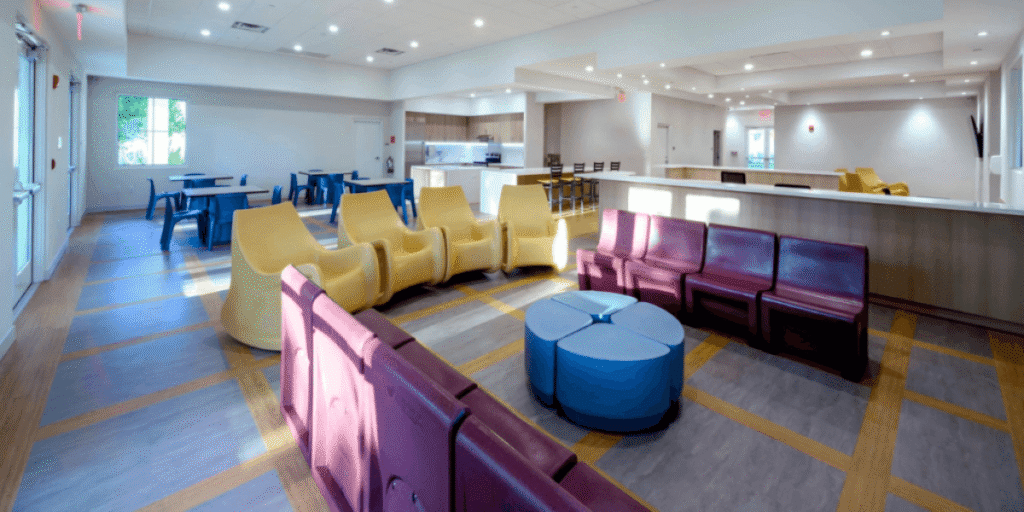
Behavioral healthcare and human services facilities face a persistent challenge: creating therapeutic environments that support healing and recovery while operating within strict budget constraints. This tension between intentional design and financial reality shapes every furnishing decision, from selecting seating for group therapy rooms to outfitting outdoor gathering spaces. A skilled furniture wholesaler addresses this challenge through strategic approaches that include data-driven product development, effective supplier negotiation, and streamlined operations. These methods enable facilities to access practical solutions like wholesale tables and chairs, bulk chairs, and wholesale outdoor furniture that honor both therapeutic goals and fiscal responsibility.
The Meaning of Intentional Design in Behavioral Healthcare Furnishings
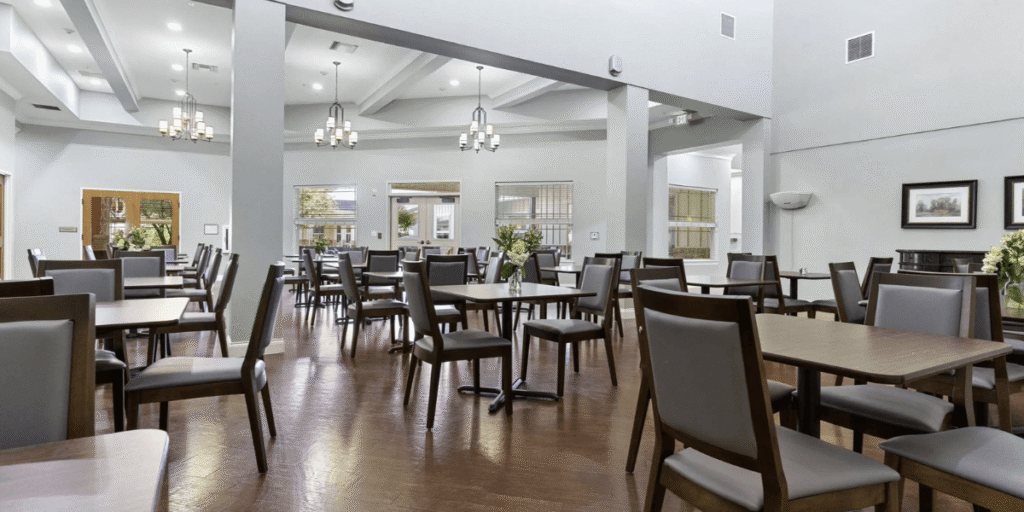
Intentional design extends beyond aesthetics to consider how every element of the built environment influences healing, safety, and engagement in counseling centers, group homes, addiction treatment programs, and residential facilities. A furniture wholesaler who understands these specialized environments curates product offerings that align with program goals rather than simply filling spaces with generic furniture.
Creating Supportive, Purpose-Driven Spaces
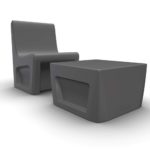
Furniture selections directly shape how residents and clients experience their environment. Wholesale chairs designed for behavioral healthcare settings feature rounded edges that reduce injury risk while promoting psychological safety. Wholesale tables and chairs arranged to facilitate group interaction transform functional furniture into therapeutic tools that encourage community building and peer support. The scale, durability, and visual warmth of these pieces contribute to environments where people feel respected and comfortable engaging in difficult recovery work.
When facilities choose intentional design principles for their furnishings, they create spaces that actively support program outcomes:
- Safety-conscious construction: Reinforced frames and tamper-resistant hardware protect both users and the longevity of investments
- Appropriate scale: Furniture proportions that accommodate diverse body types promote inclusivity and dignity
Aligning Product Choices With Program Intent
Different program types require distinct environmental considerations. A furniture wholesaler experienced in behavioral healthcare guides facilities toward products that match specific operational needs. Group therapy spaces benefit from flexible seating arrangements using wholesale chairs that can be reconfigured easily. Dining areas in residential treatment need wholesale tables and chairs that support both meals and structured activities. This alignment between product characteristics and program requirements separates thoughtful procurement from merely filling rooms with available furniture.
Intentional Product Strategy in the Wholesale Process
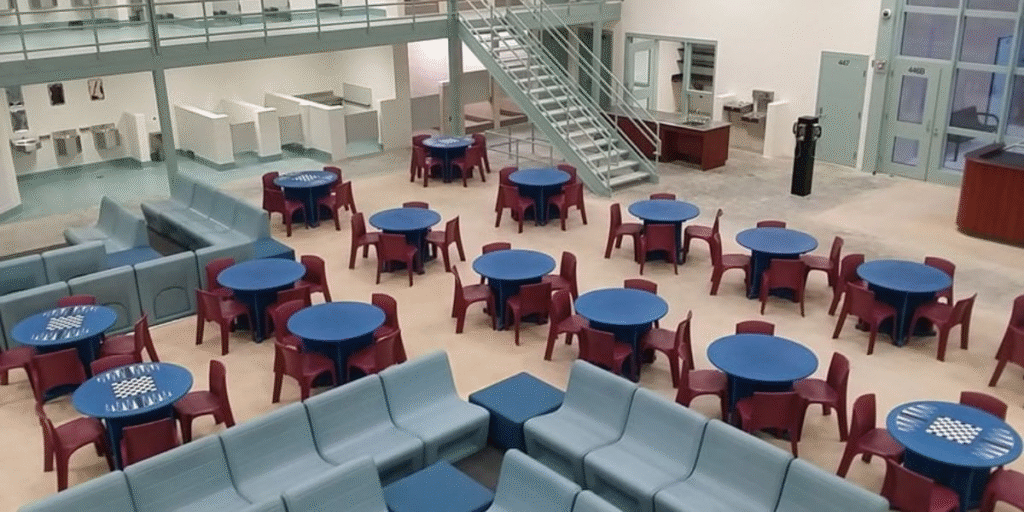
Intentional design begins long before facilities place orders. A furniture wholesaler makes dozens of strategic decisions during product planning and development that determine whether final offerings can meet both design intentions and cost targets. These upstream choices about materials, construction methods, and product features create the foundation for affordable therapeutic furnishings.
Design for Cost (Design to Cost)
Material selection profoundly impacts both production cost and supply reliability. A furniture wholesaler practicing design for cost might specify powder-coated steel over specialty alloys or select commercial-grade fabrics that are readily available rather than custom textiles. These decisions maintain quality while controlling expenses.
This approach directly influences the affordability of bulk chairs, wholesale outdoor furniture, and similar high-volume items. When a furniture wholesaler designs products using cost-effective, accessible materials, facilities can order bulk chairs or wholesale outdoor furniture at price points that fit tight budgets while receiving products built to withstand heavy use in demanding environments.
Design for Manufacturing and Assembly (DFMA)
Collaboration between a furniture wholesaler and manufacturers during early product development streamlines production and reduces costs. Intentional design through DFMA simplifies assembly processes, reduces part counts, and minimizes production steps. Products become easier to manufacture, ship, and assemble, which translates to lower costs and faster delivery times for facilities ordering wholesale chairs or wholesale tables and chairs.
Data-Driven Design
A furniture wholesaler committed to intentional design analyzes sales trends, customer feedback, and return data to shape product lines. This evidence-based approach reveals which wholesale chairs perform best in high-traffic areas, which wholesale tables and chairs configurations get reordered most frequently, and what features lead to customer satisfaction versus returns. Product offerings evolve based on real-world performance rather than assumptions.
Strategic Trade-Offs Between Cost and Quality
Intentional design requires deciding where premium features matter and where they don’t. A furniture wholesaler might invest in reinforced frames and commercial-grade upholstery for bulk chairs used in group therapy rooms while opting for simpler finishes where aesthetic refinement matters less than durability. These strategic trade-offs allow facilities to get the necessary performance without paying for unnecessary premium features.
Intentional Sourcing and Procurement Practices
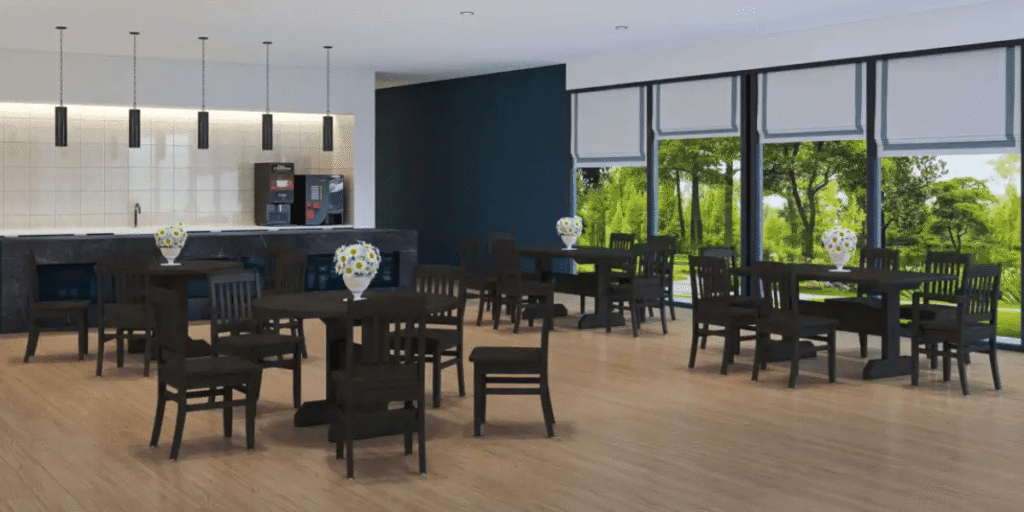
Sourcing decisions directly impact product quality, pricing, and supply reliability. A furniture wholesaler applies intentional design principles to selecting and managing supplier relationships, with effective supplier negotiation determining whether wholesale outdoor furniture arrives on schedule and wholesale chairs maintain consistent quality across production runs.
Total Cost of Ownership (TCO)
A furniture wholesaler practicing intentional design in procurement evaluates suppliers beyond initial price quotes. TCO analysis considers warranty support, replacement part availability, and product longevity. This perspective prevents seemingly inexpensive options from becoming costly when frequent replacements are factored in, which matters critically for facilities managing long-term budgets.
Strategic Supplier Evaluation
A thorough supplier assessment examines production capacity, quality control processes, and financial stability before committing to partnerships. Strong relationships built through fair supplier negotiation support better pricing and stable sourcing of items like wholesale outdoor furniture and wholesale chairs, providing facilities with consistent product orders after order.
Multi-Sourcing for Stability and Competitive Cost
A furniture wholesaler practicing intentional design maintains relationships with several qualified suppliers for key product lines. This multi-sourcing strategy, combined with skillful supplier negotiation, creates healthy competition that keeps pricing fair while providing backup options if one supplier faces production issues. The result is greater supply chain resilience and consistent availability.
Intentional Inventory and Operations Management
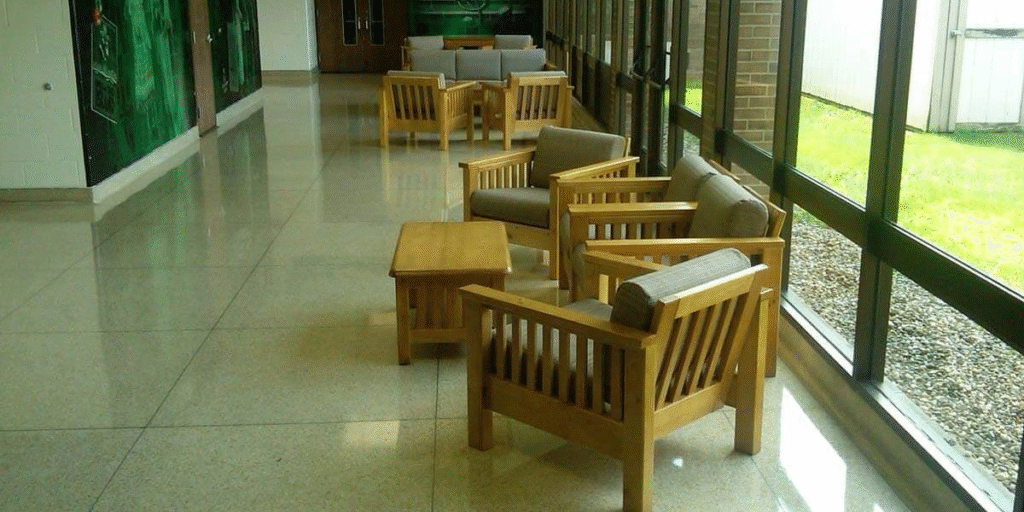
Efficient logistics and warehouse operations allow a furniture wholesaler to balance design priorities with cost pressures. Streamlined processes mean facilities ordering wholesale tables and chairs or bulk chairs receive products quickly and affordably, without hidden costs from inefficient warehousing or shipping.
Agile and Resilient Supply Chains
Multi-sourcing and continuous process optimization help a furniture wholesaler respond quickly to changes in demand or materials availability. Intentional design applied to supply chain management builds flexibility into every step, from raw material sourcing to final delivery. This agility allows adaptation when facilities suddenly need additional furniture or when material shortages threaten availability.
Lean Inventory Management
Careful inventory planning by a furniture wholesaler prevents unnecessary storage costs and helps maintain competitive pricing. In inventory management, intentional design is essential. It’s about carefully balancing the need to have enough stock to meet demand swiftly, while also steering clear of excess inventory that can consume both capital and precious warehouse space. This lean approach keeps operational costs low, which translates to better pricing for facilities.
Dynamic Slotting
Warehouse layout optimization based on sales data speeds order fulfillment. A furniture wholesaler using intentional design in warehouse operations places fast-moving items like popular wholesale tables and chairs or frequently ordered bulk chairs in easily accessible locations. This dynamic slotting reduces picking time, minimizes handling, and speeds delivery. These operational efficiencies support both cost control and customer satisfaction.
Intentional Pricing Strategy That Supports Both Value and Profitability
A furniture wholesaler applies intentional design thinking to pricing structures. Strategic pricing for bulk chairs and wholesale outdoor furniture reflects production costs, market positioning, volume incentives, and long-term customer relationships.
Market-Based Pricing
Regular analysis of market trends and competitor offerings by a furniture wholesaler practicing intentional design creates pricing that represents fair value. This market-based approach adjusts to reflect current conditions while remaining transparent and justifiable to facilities making purchasing decisions.
Tiered Pricing and Volume Discounts
A furniture wholesaler using intentional design in pricing structures creates tiered systems that reward larger orders with progressively better pricing:
- Volume incentives: Facilities ordering bulk chairs for multiple group rooms receive lower per-unit costs
- Set pricing: Wholesale outdoor furniture purchased as complete collections unlocks additional savings
These volume discounts make intentional design accessible by reducing costs significantly for facilities that can plan larger purchases.
Minimum Order Quantities (MOQs)
A furniture wholesaler applying intentional design to order requirements sets MOQs at levels that create efficient production runs and shipping while keeping thresholds reasonable for typical facility needs. This balance protects cost structure while making wholesale pricing accessible to organizations of various sizes.
Practical Strategies for Healthcare and Human Services Organizations

Facilities can maximize the benefits of working with a furniture wholesaler by approaching procurement with an intentional design mindset. Strategic planning amplifies both design impact and budget efficiency when selecting wholesale chairs, wholesale tables and chairs, or wholesale outdoor furniture.
Clarifying Space and Program Priorities
Facilities practicing intentional design start by defining how each space will be used, who will use it, and what outcomes the environment should support. A furniture wholesaler can then recommend products that align with these priorities, so every purchase serves a clear purpose rather than simply filling space.
Comparing Product Categories and Costs
Evaluate wholesale chairs, wholesale tables and chairs, and wholesale outdoor furniture across durability, versatility, and long-term value. Intentional design in procurement compares options on how well each product serves multiple functions, withstands daily use, and supports program goals over years of service. This comprehensive evaluation reveals the true value proposition of different wholesale furniture categories.
Planning for Phased or Bulk Purchases
Facilities can work with a furniture wholesaler to develop intentional design purchasing plans that balance immediate needs with budget cycles. Ordering bulk chairs for an entire facility at once maximizes volume discounts, while phased purchases allow spreading costs across fiscal years. Both approaches benefit from wholesale pricing structures when planned strategically.
Case Examples of Balancing Intentional Design and Cost
These cases illustrate how facilities partnering with a furniture wholesaler committed to intentional design achieve meaningful environmental improvements while respecting budget constraints.
Residential Care Home Community Room Refresh
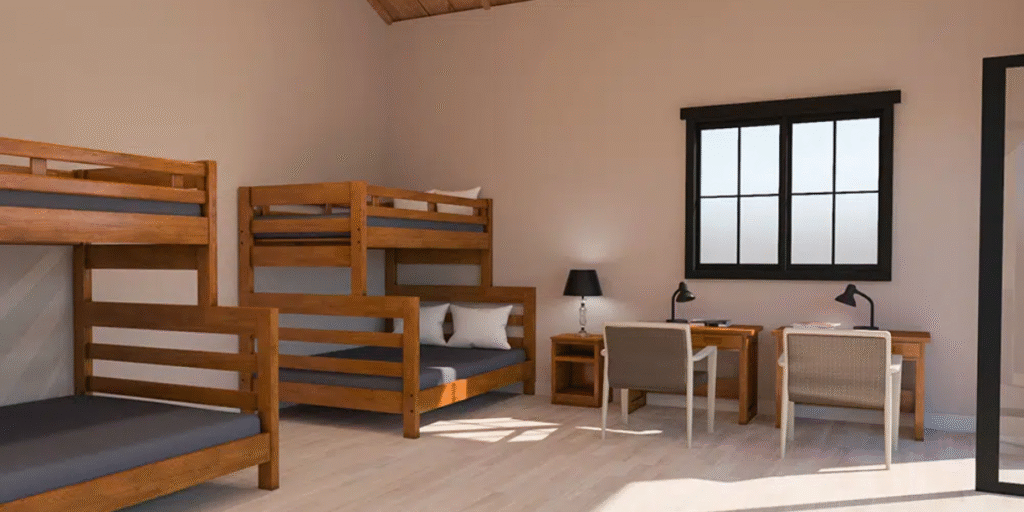
A 24-bed residential care facility needed to update its central community room. Working with a furniture wholesaler, the facility applied intentional design principles to select wholesale tables and chairs that accommodated wheelchairs, supported various activity types, and created a homelike atmosphere. By ordering wholesale tables and chairs as a coordinated set, the facility achieved volume pricing that allowed them to also add comfortable lounge seating within their original budget.
Counseling Center Lobby Update
An outpatient counseling center wanted to replace worn lobby seating that no longer reflected their trauma-informed care approach. Their furniture wholesaler used insights from previous supplier negotiations to offer wholesale chairs specifically designed for behavioral health waiting areas with calming colors, durable construction, and appropriate spacing. The intentional design of these wholesale chairs, combined with tiered pricing, allowed the center to create a welcoming first impression within its facilities budget.
Outdoor Program Expansion
A residential treatment program wanted to expand outdoor programming by creating multiple gathering areas across its campus. Their furniture wholesaler recommended wholesale outdoor furniture collections designed with intentional design principles for behavioral healthcare: weather-resistant materials, safety-conscious construction, and configurations that supported both structured activities and informal conversation. By ordering wholesale outdoor furniture in bulk for all planned spaces simultaneously, the program secured pricing that allowed it to furnish six outdoor areas for the cost budgeted for four.
How We Support Intentional Design and Cost Balance at Furniture Concepts
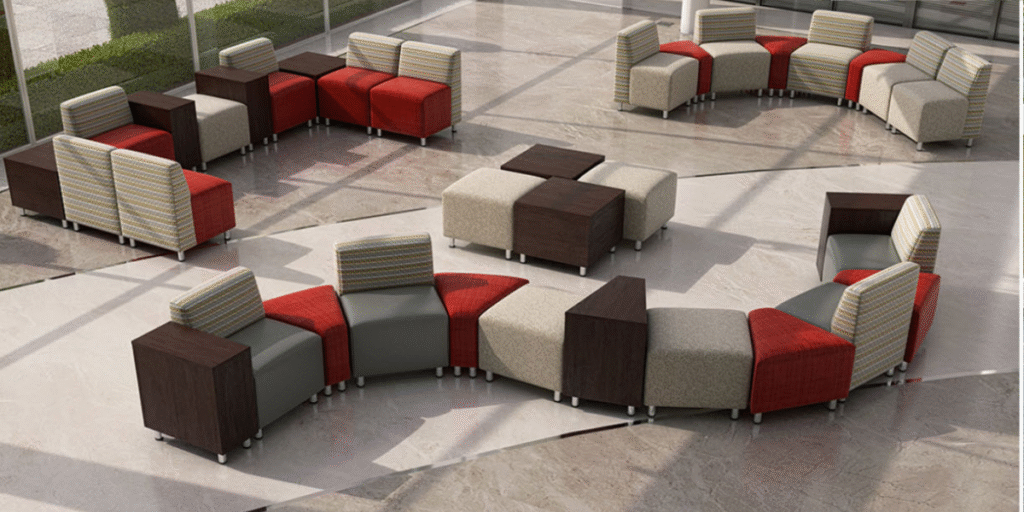
Funriture Concepts is furniture wholesaler dedicated to behavioral healthcare and human services environments, we approach every aspect of our business, from product development to supplier negotiation, through the lens of intentional design. We understand that our customers need wholesale chairs and wholesale tables and chairs that support healing environments, not just fill space.
Our Approach to Intentional Product Development
We rely on data insights, collaborative planning, and thoughtful design choices to offer dependable wholesale chairs, wholesale tables and chairs, and outdoor collections. As a furniture wholesaler practicing intentional design, we analyze years of customer feedback, return patterns, and facility usage data to understand what truly works in behavioral healthcare settings. This information guides our product development, with the wholesale chairs and wholesale tables and chairs we offer reflecting real-world performance rather than assumptions.
Our Commitment to Strategic Sourcing and Long-Term Supplier Partnerships
We invest significant effort in supplier negotiation and relationship building, not to squeeze every penny from suppliers, but to create partnerships that benefit everyone. Our intentional design approach to supplier relationships prioritizes suppliers who share our commitment to quality, maintain ethical production practices, and demonstrate consistent performance. These long-term partnerships, built on fair supplier negotiation, give us leverage to secure stable pricing and reliable availability even when market conditions fluctuate.
How We Help Facilities Make Cost-Effective Decisions
As a furniture wholesaler committed to intentional design, we structure our pricing to reward thoughtful planning by offering volume discounts on bulk chairs and other high-quantity items while keeping MOQs reasonable for smaller facilities. We provide transparent information about product features, expected longevity, and best-use scenarios so facilities can make informed decisions that align with their specific intentional design priorities.
Conclusion
The tension between creating therapeutic, purposeful environments and working within limited budgets is real but surmountable. A furniture wholesaler committed to intentional design applies strategic thinking at every level: developing wholesale chairs and wholesale tables and chairs with cost-conscious features built in, conducting supplier negotiation that secures fair pricing without compromising quality, and managing operations efficiently to keep costs low. These practices make it possible for behavioral healthcare and human services facilities to furnish spaces, from bulk chairs for group therapy rooms to wholesale outdoor furniture for healing gardens, in ways that support their missions without breaking their budgets. The most successful facility furnishing projects happen when organizations work with a furniture wholesaler who understands both intentional design principles and the financial realities of behavioral healthcare and human services.Ready to create therapeutic spaces that respect your budget? Contact Furniture Concepts today to explore our wholesale furniture solutions tailored just for behavioral healthcare and human services facilities.