











When Furniture Fails Mid‑Program: A Rapid Replacement Plan That Keeps Beds Filled (Without Blowing the Budget)
Suppose it is a Thursday at 3 PM, and you anticipate the arrival of a new resident within the next two hours. The facility management department performs a final inspection of the room, and a defective bed frame is identified, with a broken edge that could pose a safety issue. The house you represent is full, and you do not have any empty beds. This new resident is a source of much-needed revenue for your program.
This case is not just an issue of furniture. It is a financial issue, a safety concern, and a facility management debacle all in one. The fact that an empty bed does not only imply disappointed stakeholders, but it also implies lost revenue, possible liability, and a scramble that takes your whole team out of their usual duties.
The fact is that furniture breakages occur, particularly in the behavioral health-related high-traffic section, residential treatment, and the institutional context, where heavy-duty utilization is the standard. It is not whether you will encounter such a situation, but when it will happen and whether you will have a plan to manage such a situation. You need two strategies working in tandem: a reactive plan for rapid furniture replacement when emergencies strike and a proactive plan for smarter purchasing that prevents these crises from happening in the first place.
A Rapid Replacement Plan Without Blowing the Budget
- Phase 1: Immediate Action & Assessment

The first thing you want to consider when furniture collapses is the first priority, which is safety and risk evaluation. You must consider the fact that the damaged furniture may cause an immediate danger to the residents or staff before you even think about the possibility of replacement or budget issues.
- Assess the Risk: Safety Comes First
Two risks require attention in behavioral health furniture safety, which include sharps hazards and ligature risks. An old bed frame that has its metallic edges exposed or pieces of wood or screws sticking out may serve as weapons or sources of self-harm. Likewise, broken chairs whose parts are separated could form ligature points, which were not intended in their design.
If the furniture presents any safety hazard, please remove it from the space promptly, even if it temporarily results in the room being unfurnished. The liability and safety risks far outweigh the inconvenience of a space while you implement your rapid replacement plan.
- Repair vs. Replace: The Critical Calculation
After making sure you have looked into immediate safety issues, the next decision that you must make is whether to repair or replace. This one appears to be a simple calculation, yet it is the most common calculation by the majority of facility management teams, by determining the immediate cost and not the entire cost of ownership.
The truth is that repairs in this context are almost always only temporary. That $50 repair could keep you going through the week, but come a month later when the same part fails again (which happens a lot), you have now spent $50 and staff time on top of that, not to mention responding to the emergency later, and you are yet to replace the furniture.
The more effective measure is to estimate the real cost. When the cost of repair is more than 40% of the replacement value, and the furniture has been repaired previously, replacement is nearly always the wiser choice. This is especially true for contract furniture replacement in institutional environments, where durability cannot be compromised due to heavy usage.
- Phase 2: Cost-Effective Replacement Strategies

Once you’ve decided replacement is necessary, your goal is to execute it quickly and cost-effectively without compromising on quality or safety.
- Prioritize High-Traffic Areas
Furniture failures are not equal. A broken bed in a resident room has one victim, and that is one lost revenue. An example of a broken chair in a communal space shall have an impact on the functioning of the programs and the experience of the residents within your whole facility.
In cases where there is a limited budget, quick ship contract furniture should be invested in the high-impact areas first. Target your quick replacement on areas that impact more than one resident, cause safety concerns, or directly influence your occupancy.
- Modular & Multi-Purpose Furniture
Smart facility management involves not focusing on the current replacement requirement. Multi-purpose furniture systems in modules allow you to be flexible when the crisis hits next time. Having a chest that doubles up as storage and seating or a bed frame that can take various sizes of mattresses ensures that your replacement inventory is utilized in more than one way.
This approach also simplifies your rapid furniture replacement plan. Instead of maintaining separate emergency inventory for every furniture type, you stock versatile pieces that can address multiple scenarios.
- Refurbishment vs Replacement
Sometimes, the most cost-effective solution sits between repair and full replacement. Professional refurbishment, not DIY repairs, can extend furniture life when the core structure remains sound, but surfaces or components are worn.
Refurbishment, however, makes only sense with heavy-duty institutional furniture that was originally constructed to bear. The attempt to refurbish retail-grade furniture that is applied in the institutional setting is pouring good money down the drain.
- Uniformity & Bulk Savings
The proactive planning will be beneficial here: by developing contacts with suppliers of contract furniture who know what you need and can provide you with bulk prices, you get long-term savings that will finance your emergency replacement budget.
By standardizing on a certain line of furniture, you also make replacement logistics easier. You can have a clear idea of what you require, your vendor knows precisely what you order, and it becomes even more rapid in case a crisis occurs.
- Phase 3: The Rapid Replacement Strategy (The Solution)
Time is of the essence when furniture collapses can jeopardize the occupancy rates. This is where it is important to understand the distinction between custom furniture and quick ship contract furniture.
- The Quick Ship Lifeline
Custom contract furniture usually takes 6-12 weeks to deliver; longer than that, in some cases, based on the manufacturing schedule and shipping logistics. Those schedules are simply not workable when you have a vacant bed and a new resident who is coming in.
Quick ship programs squeeze that schedule down to days, or even not weeks. The furniture is already produced, checked in terms of quality, and in stock, waiting for shipment once you place your order. This difference in speed is the amount of time between staying open and forfeiting revenue in the case of facility management teams that have to handle emergencies.
- What to Look For: Not All Quick Ship Is Created Equal
The quick ship model will only help you out when this furniture can stand up to institutional usage. Most retail-grade suppliers are selling furniture with quick shipping, which will not stand the pressure of behavioral health, residential treatment, or correctional facilities.
The last thing you want is institutional furniture that is tough enough to make it to the location fast and durable to use. Find suppliers that target their quick ship inventory to high-traffic, high-stress environments. Such items as reinforced frames, ligature-resistant construction, and commercial-grade materials are not optional but rather required.
- The Furniture Concepts Advantage
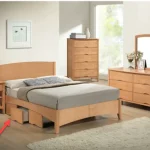
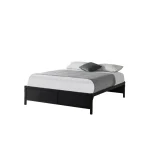
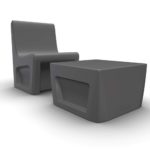
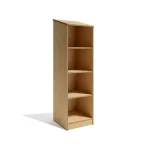
This is exactly why Furniture Concepts built its quick ship program around the specific needs of behavioral health and institutional facilities. Our inventory includes beds, mattresses, chests, and seating designed from the ground up for safety and durability in demanding environments.
In an instance where you are undertaking a rapid replacement plan, the fact that a supplier is aware of the behavioral health furniture safety requirements would imply that you do not sacrifice on safety standards to achieve speed. You are obtaining two things: furniture that ships without delay and also meets the highest standards of service.
- Phase 4: Budgeting for the Unexpected
Even the best rapid replacement plan fails if you can’t fund it when emergencies strike. This is where many facilities stumble, either by failing to budget for furniture replacement or by budgeting incorrectly.
- The “Emergency Fund” Myth
Most of the facility management teams use general emergency funds to finance the sudden replacement of furniture. The problem? By drawing on an emergency fund, you are robbing the resources needed in actual crises, like facility repairs, equipment malfunctions, or even unforeseen regulatory demands.
Furniture replacement is not an emergency in the usual meaning of the word, but a foreseeable cost of operation that occurs on an unforeseeable schedule. The answer lies in the fact that you should plan to replace furniture as a routine budget item, and you should reserve money every month or quarterly, according to the past replacement frequency of your facility.
- The “Total Cost of Ownership” Argument
This is where the mathematics comes in: the retail bed costing $200 may appear like a cost-efficient purchase in comparison to the contract-grade bed of $500. However, when that retail bed fails three times in a year, and it has to be replaced, you have lost $600 and employee time, and caused business interruption.
The furniture total cost of ownership calculation includes purchase price, expected lifespan, repair costs, replacement frequency, and the hidden costs of emergency replacements. When you come out with these figures, clean, heavy-duty institutional furniture nearly always wins, not because it is less expensive in the first place, but because it is far less expensive in the long run.
- Utilize Second-Hand Market Strategically
The reason is that the used furniture market could be a beneficial source of cost savings, although you should be choosy. Used retail furniture is usually not worth the discount because it is already half its short life. However, furnishings of institutional origin in the used contract-grade category can significantly reduce costs, provided you can verify their condition and future utility.
Why Select Furniture Concepts for Quick Ships and Beds
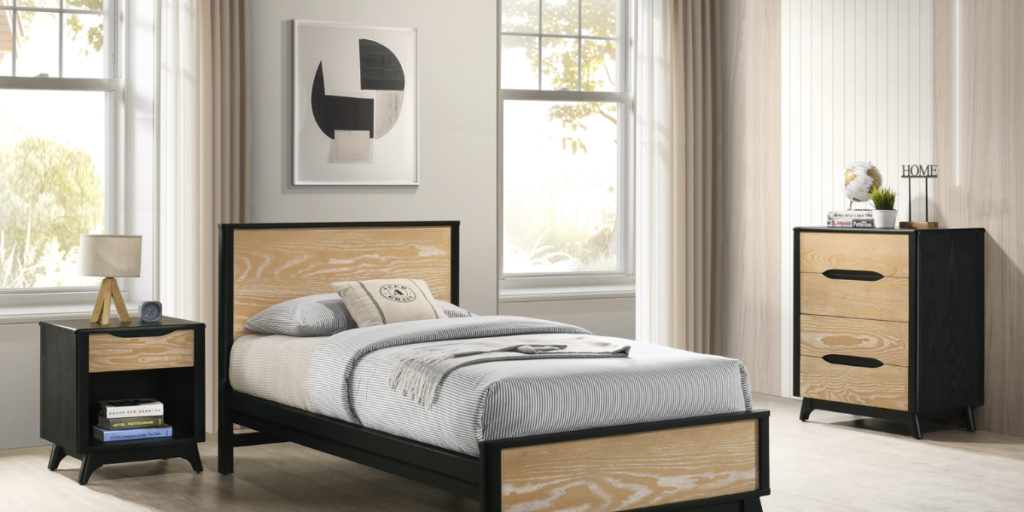
When you’re building a rapid furniture replacement plan, your supplier relationship matters as much as your internal processes. Furniture Concepts specializes in exactly this scenario, providing behavioral health facilities, treatment centers, and institutional settings with quick ship contract furniture that doesn’t compromise on safety or durability.
Their fast ship program is an answer to the fundamental problem: the process of delivering heavy-duty institutional furniture faster They are experts in beds, mattresses, seating, and storage solutions; they have created their products with high-turnover settings in mind, and expectations of safety and longevity are not compromised.
Browse their comprehensive catalog of beds, mattresses, chairs, and case goods designed specifically for behavioral health furniture safety requirements. Each piece meets the demands of institutional use while remaining available for rapid deployment when your facility needs it most.
Conclusion
The bed does not necessarily need to be broken; your budget and admission process do not need to be interrupted. This is where the distinction between a crisis and an inconvenient nuisance becomes important, highlighting the need for a rapid replacement plan to be established before it is required.
That plan combines immediate risk assessment, smart repair-versus-replace calculations, cost-effective replacement strategies, and most critically, relationships with suppliers who understand your unique needs. When you partner with specialists in quick ship contract furniture like Furniture Concepts, you’re not just buying furniture faster; you’re building operational resilience that protects both your residents and your bottom line.
Contact us today and discover how fast, safe, and budget-friendly contract furniture replacement can be.