










Why Weighted Furniture is Essential in Safety Risk Planning for Shelter Homes
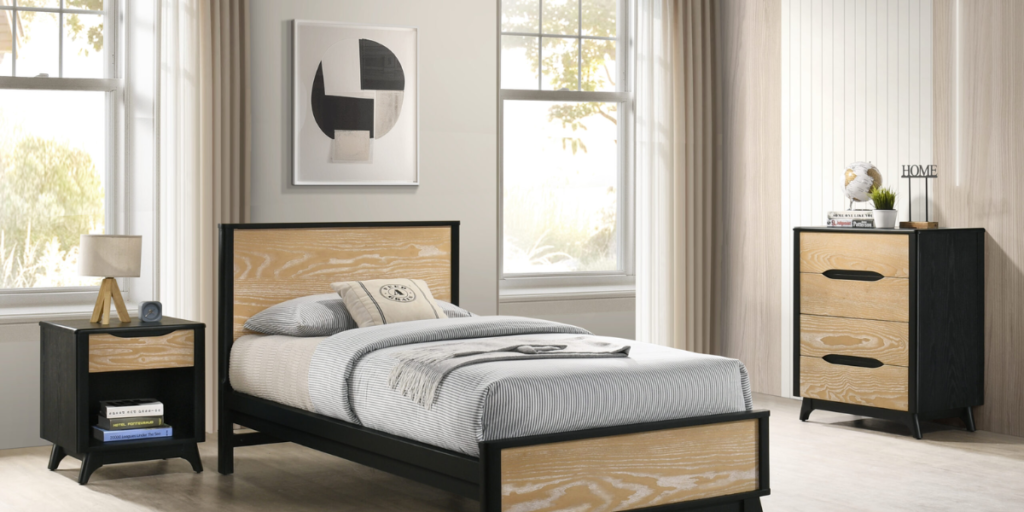
Running a shelter home in Ohio means carrying a profound responsibility for keeping every resident safe every single day. Whether you manage an emergency shelter, a women’s shelter, or a transitional housing facility, safety risk planning forms the foundation of your operation. And one of the most overlooked elements of that planning is the furniture inside your facility.
Weighted furniture plays a critical role in reducing injuries, preventing violence, and maintaining a controlled, therapeutic environment. Unlike standard residential pieces, it is specifically engineered to fulfill the physical and behavioral demands of high-occupancy shelter settings. Its mass, construction integrity, and purposeful design directly address the safety challenges shelter administrators face daily.
At Furniture Concepts, every product is built around durability, stability, and trauma-informed design purpose-built for healing environments across Ohio and nationwide. This blog walks through exactly why weighted furniture belongs at the center of your shelter’s safety risk plan.
What Is Weighted Furniture, and Why Does It Matter?
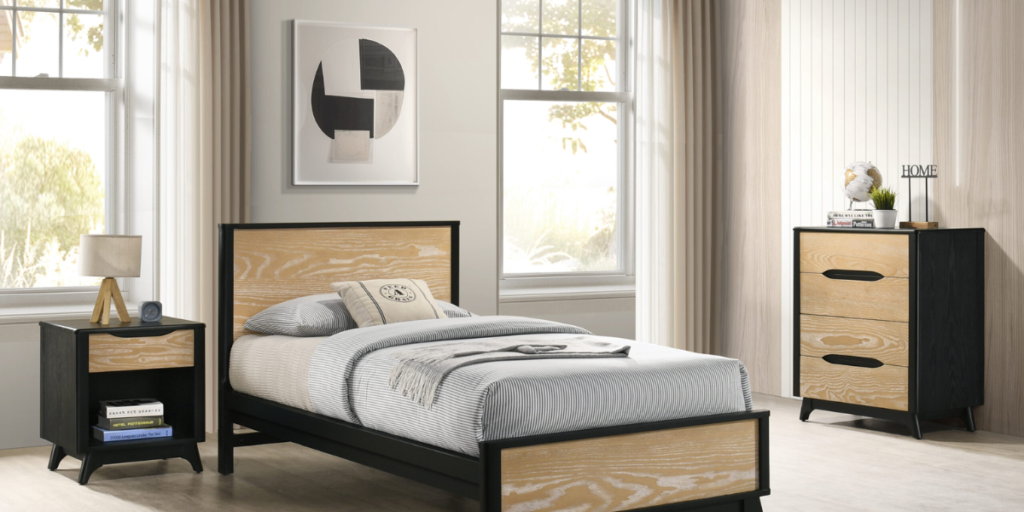
Weighted furniture refers to heavy-duty furnishings typically constructed from solid wood, metal, or reinforced composites that are significantly heavier than standard pieces. This added weight is entirely intentional.
In shelter environments, residents may be experiencing acute trauma, mental health crises, or substance withdrawal. These conditions can sometimes lead to impulsive or aggressive behavior, and lightweight furniture becomes an immediate safety liability. Heavy-duty pieces resist being lifted, dragged, thrown, or repurposed as a weapon, making the facility significantly safer for both residents and staff, which is precisely what makes these heavy-duty solutions a cornerstone of shelter safety planning.
Beyond behavioral safety, anti-tip furniture design elements built into these pieces prevent accidental tipping in high-traffic corridors, common areas, and bedrooms where sudden movements happen frequently.
Key Reasons Weighted Furniture Is Essential in Safety Risk Planning
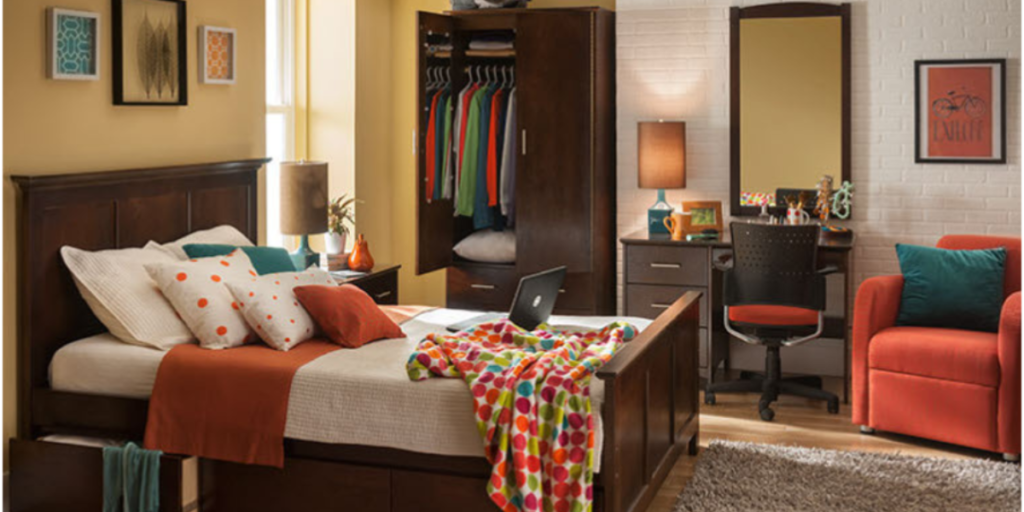
1. Weaponization Prevention
One of the most serious concerns in shelter safety planning is the potential for furniture to be turned into a weapon. Standard chairs, tables, and nightstands can be lifted and thrown during moments of crisis, putting everyone at risk.
Weighted furniture directly addresses this threat. The sheer mass of solid-wood or metal-frame construction makes pieces extremely difficult to lift, swing, or throw. At Furniture Concepts, heavy-duty chairs, beds, and tables are engineered with a low center of gravity and robust build quality that makes weaponization virtually impossible, a frontline safety measure every shelter risk plan must address.
2. Anti-Tip Safety for High-Traffic Environments
Shelter homes are fast-moving, high-occupancy spaces. Hallways fill quickly during meal times, common areas see constant activity, and bedrooms are accessed at all hours. In this setting, furniture that tips over poses a genuine injury risk.
Anti-tip furniture eliminates this hazard entirely. Weighted bases, wide footprints, and reinforced joints keep pieces firmly grounded even when bumped or leaned on. For facilities housing children, elderly residents, or individuals with mobility challenges, anti-tip furniture is not optional; it is a necessity.
Our team engineers every product to meet the stability demands of group living environments, embedding stability-first principles into each piece so residents can move freely without the risk of falling furniture.
3. Durability and Long-Term Cost Savings
Standard furniture simply was not built for shelter environments. It breaks down under heavy daily use, leading to constant repair cycles and expensive replacements, a budget drain most Ohio shelters cannot afford.
Durable furniture built from solid wood or commercial-grade metal changes that equation entirely. Designed for high-use settings, durable furniture maintains its structural integrity for years, even under demanding conditions. The upfront investment pays for itself many times over when facilities stop replacing chairs, beds, and tables every few months.
Our product line is engineered for exactly this purpose using materials and joinery techniques built to withstand constant use, reducing total cost of ownership and keeping your facility looking clean and welcoming year after year.
4. Infection Control and Sanitation
Shelter environments face significant infection control challenges. Shared spaces, high resident turnover, and the risk of bedbug or pathogen spread make furniture sanitation a daily priority.
Heavy-duty, sealed construction with non-porous surfaces supports rigorous sanitation routines. Metal and reinforced hard-shell pieces can be wiped down with industrial disinfectants without degrading over time. Furniture Concepts designs each piece with infection control in mind, minimizing crevices and selecting materials that hold up to repeated sanitization without losing structural or aesthetic quality.
5. Contraband Control
Hidden contraband is a serious safety and compliance concern in shelter settings. Furniture with hollow legs, removable panels, or deep crevices provides easy concealment spots for prohibited items.
Heavy-duty pieces with sealed, solid construction eliminate most of these hiding opportunities. Metal frames, solid-wood cores, and tamper-resistant hardware leave nowhere for contraband to be concealed. Anti-tip furniture built on solid, sealed bases rather than hollow tube legs further reduces concealment areas, giving shelter administrators greater confidence in maintaining a safe, compliant environment.
How Weighted Furniture Supports Behavioral Health Goals
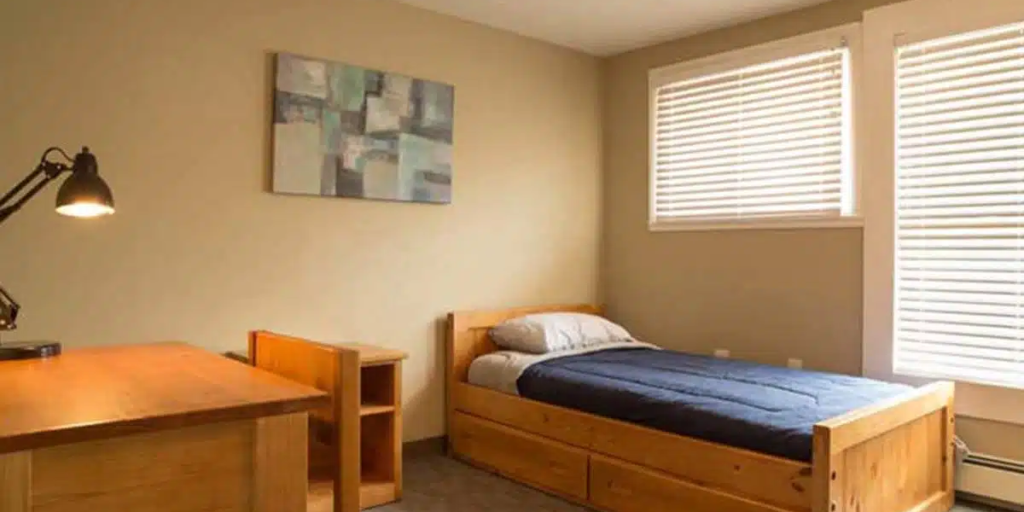
Safety and healing are not in conflict; they reinforce each other. A secure physical environment reduces resident anxiety, supports predictable routines, and allows people to focus on their recovery rather than navigating an unsafe space.
These purpose-built pieces contribute to this therapeutic environment by eliminating physical hazards that can trigger stress or escalate behavioral incidents. When residents feel their surroundings are stable and purposefully designed for their well-being, it positively impacts their overall behavioral health outcomes.
This is the philosophy behind trauma-informed design: the idea that every element of a space, including durable furniture selections, communicates safety and respect to the people living in it.
Building a Complete Safety Risk Plan: Where Furniture Fits
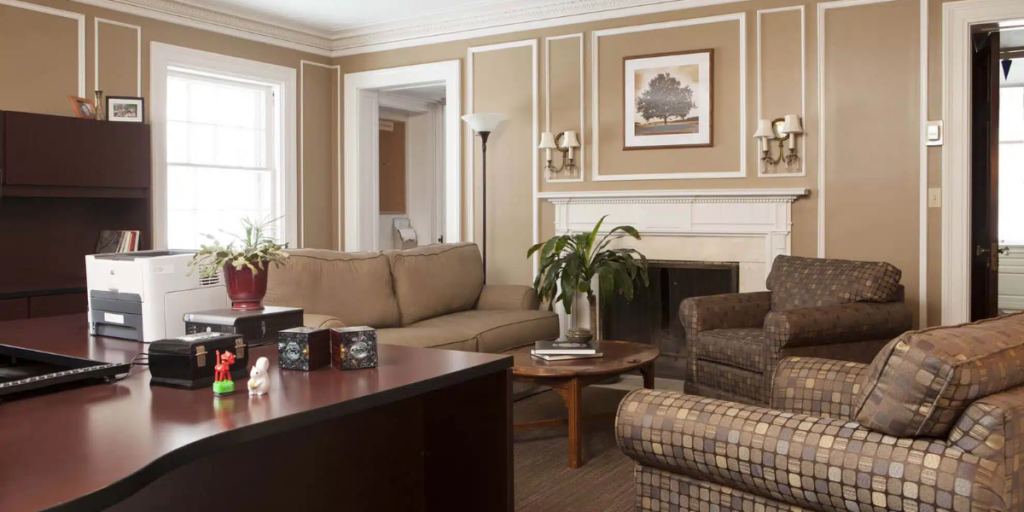
A comprehensive shelter safety risk plan covers staffing, emergency protocols, environmental hazards, and resident supervision. Furniture selection should be a formal line item in that plan, not an afterthought.
When evaluating furniture for your Ohio shelter, apply these four criteria:
- Weight and stability: Is it heavy enough to resist lifting and misuse in a high-risk environment?
- Anti-tip design: Does the construction prevent accidental tipping in high-traffic areas?
- Material integrity: Is it durable furniture constructed from solid wood or commercial-grade metal?
- Tamper resistance: Does weighted furniture construction eliminate contraband hiding spots and resist disassembly?
Applying these criteria consistently to every purchase decision strengthens your safety risk plan and creates a secure environment for everyone in your facility.
Conclusion
Weighted furniture is more than simply a type of furniture; it’s a way to keep people safe. From weaponization prevention to anti-tip stability, from infection control to contraband management, the right furniture choices directly reduce risk and create a more secure, healing environment for every resident in your care.
Ohio shelter homes that incorporate weighted furniture into their safety risk planning take a proactive, evidence-backed approach to protecting both residents and staff. They also make a smart financial decision by investing in durable furniture that lasts, rather than cycling through costly replacements year after year.
If you are ready to build a safer, more resilient shelter environment, Furniture Concepts is here to help. Explore our full range of heavy-duty, trauma-informed furniture solutions purpose-built for the environments where it matters most.
Contact us today to request pricing, browse our product catalog, or speak with our team about outfitting your Ohio shelter home with the right furniture for your safety risk plan.
FAQ
What makes weighted furniture different from standard commercial furniture?
Unlike regular commercial pieces, these heavy-duty furnishings are built using heavier materials, solid wood, reinforced metal frames, or composite construction engineered with a lower center of gravity. This makes it resistant to lifting, tipping, and disassembly in high-use environments like shelter homes and behavioral health facilities.
Is anti-tip furniture required for licensed Ohio shelter homes?
Ohio’s safety rules for residential facilities and mental health licensure standards strongly urge and generally require anti-tip furniture. However, the rules for different types of facilities are different. Most inspectors and accreditation bodies actively search for this during facility assessments because it is a good practice.
How does investing in durable furniture reduce long-term costs?
Commercial-grade construction that is heavy-duty lasts a lot longer than regular items. Facilities that buy solid-build furniture don’t have to replace it as often, spend less on maintenance, and prevent costly operational disruptions, which saves them a lot of money in the long run that more than makes up for the initial cost.
Can heavy-duty shelter furniture still feel comfortable and welcoming?
Yes, for sure. Furniture Concepts makes sure that every item is safe and comfortable for residents. Trauma-informed design principles make sure that heavy-duty furniture is comfortable and welcoming, which helps residents’ mental health as well as their physical safety.
Does Furniture Concepts deliver to shelter homes across Ohio?
Yes. Furniture Concepts will deliver to shelter homes, transitional living institutions, behavioral health centers, and emergency shelters all around Ohio and beyond. Go to furnitureconcepts to see the whole collection and ask for an estimate for your facility.