








How Multi-Facility Behavioral Health Providers Standardize Rehab-Driven Furniture
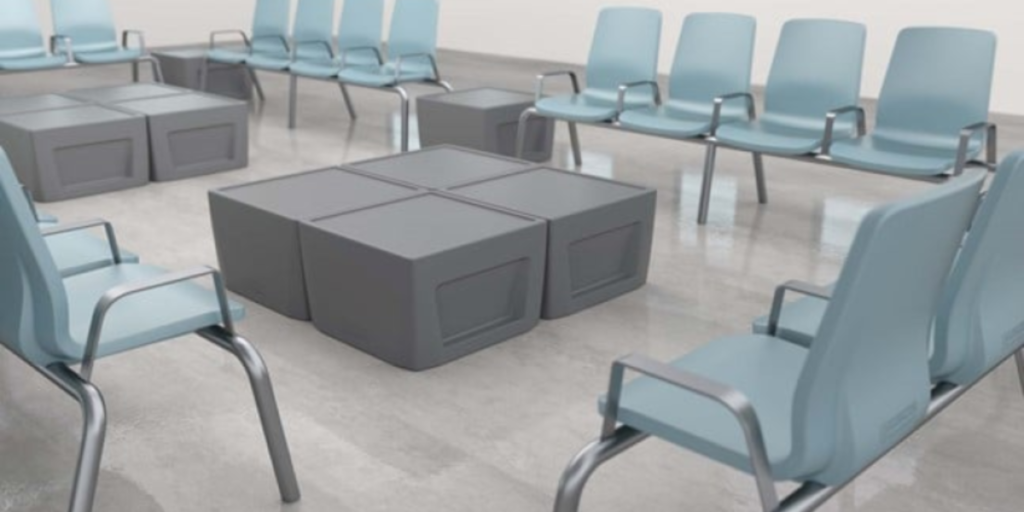
You can sense the purpose behind every detail when you go around a well-managed mental health campus. The areas are serene. The rooms have a pleasant sense of predictability. Team can focus on providing care rather than continuously maintaining the surroundings while patients can settle in.
It is difficult for that consistency to occur by accident, particularly when a service has several sites. One of the most practical methods to promote long-term facility performance, daily treatment flow, and safety is to standardize furniture across sites. The objective is straightforward: select mental health furniture that supports a therapeutic environment without appearing cold or institutional, is suitable for rehab environments, and can withstand heavy use.
In this blog, we will cover how multi-facility providers standardize rehab-driven furniture, from Evidence-Based Design to procurement strategy. You will also see how ligature-resistant furniture, smart furniture material choices, and durable options like roto-molded furniture fit into a scalable plan. If you are also sourcing wholesale furniture for multiple facilities, the same principles apply.
Why standardization matters across multiple rehab and behavioral health sites
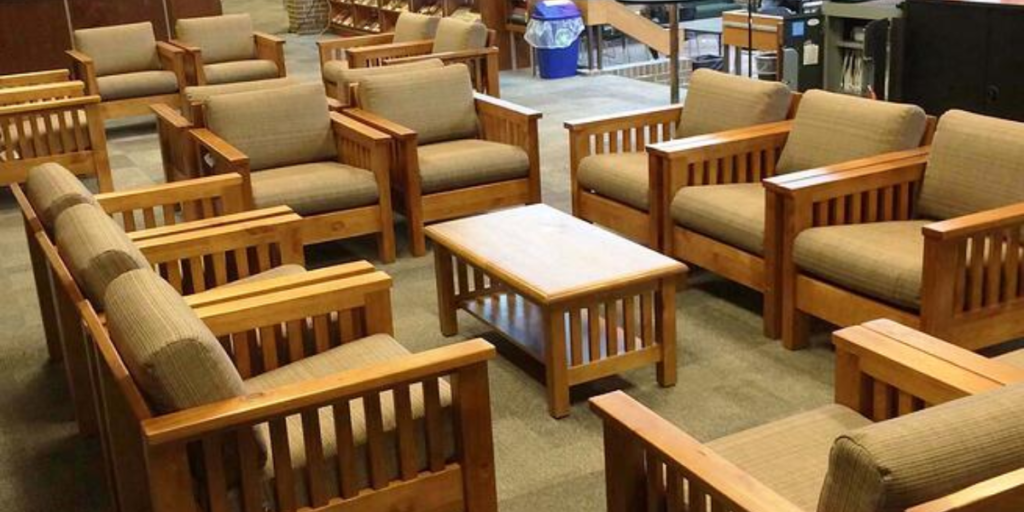
This enables the leadership, the clinicians, and the facility team to quickly standardize. In the case where a provider has a set of furniture, the team can move from one facility to the other with fewer surprises. In the case of the facility team, the process can be faster, especially when wholesale furniture purchasing is involved.
Safer spaces with fewer variables
Rehab-focused settings require low-risk, predictable design. Safety can be incorporated into everyday life by selecting the appropriate for behavioral health furniture.
Better long-term cost control
Across multiple facilities, small repairs and replacements add up. Standardizing furniture material specs and performance requirements helps teams avoid constant “trial and error” purchases. The result is a clearer view of lifecycle costs, which is especially helpful when wholesale furniture orders need corporate approval.
A consistent therapeutic experience for patients
When spaces feel stable and thoughtfully arranged, patients often feel less on edge. That is one reason many providers prioritize a therapeutic-first approach when selecting behavioral health furniture. Comfort matters, and durability and safety matter too.
Building design standards with Evidence-Based Design (EBD)
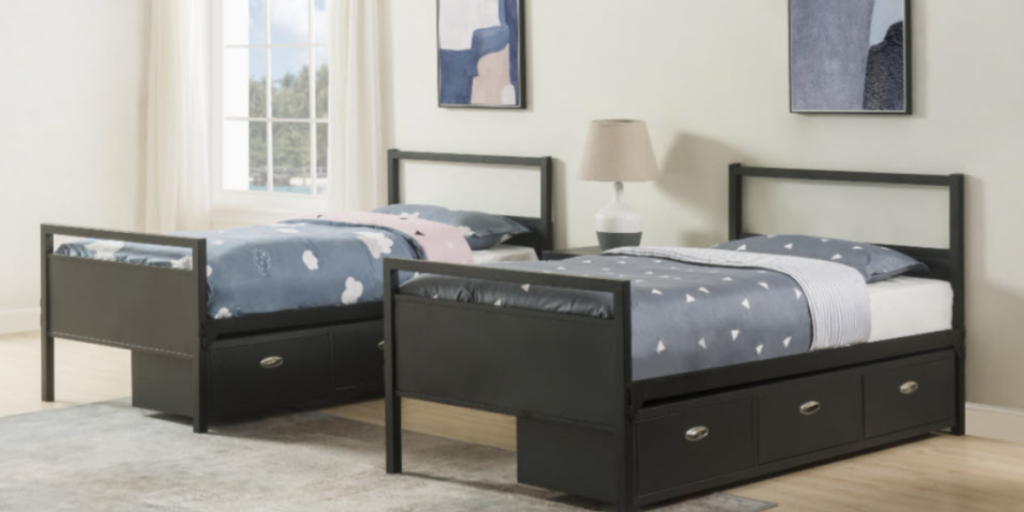
Many multi-facility groups start with a playbook. That playbook defines what types of furniture belong in each space, how pieces should perform, and which safety features are required. Evidence-Based Design helps teams connect those decisions to outcomes, including safety, staff workflow, and patient experience.
Core safety features for rehab-driven furniture
Safety-focused standards often include anti-ligature furniture requirements, tamper-resistant construction, and details that reduce harm risk.
Common requirements include:
- Rounded corners and softened edges on tables and case goods
- Hidden seams and reduced pinch points
- Heavy-duty construction with limited breakaway components
This is where ligature-resistant furniture plays a clear role.
Functionality that supports rehab and daily living
Rehab-driven spaces need furniture that supports participation, mobility, and comfort during long days. Providers standardize items based on how they help patients engage in treatment and move safely.
Examples of rehab-supportive features include:
- Chair seat heights that help patients stand safely
- Armrests that support stability and easier egress
- Lounge seating that feels welcoming without sacrificing durability
When selecting behavioral health furniture, clinical teams often weigh these daily-use details as heavily as the safety checklist.
Standardized checklists that remove guesswork
A checklist keeps purchasing consistent, even when different people are involved across regions. Many organizations use evaluation forms that cover safety design, cleanability, structural strength, comfort, and how well a piece fits the space plan.
A strong checklist often reviews:
- Risk points and ligature-resistant furniture considerations
- Cleaning and disinfectant compatibility
- Finish performance and repairability
This structure keeps wholesale furniture orders aligned with the same standards, even when orders happen in phases.
Procurement and supplier standardization that scales
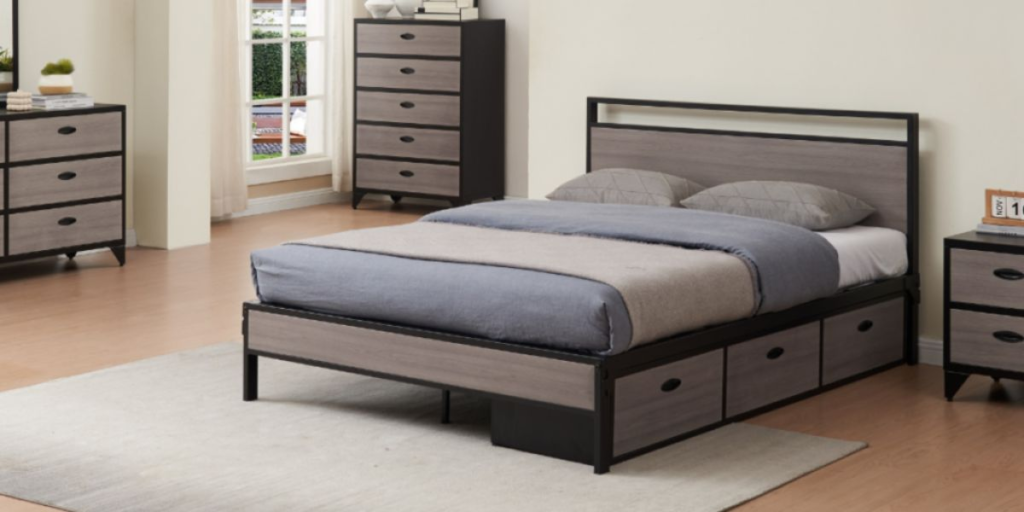
Once the design standards are clear, procurement becomes the engine that keeps consistency alive. Multi-facility providers typically standardize through corporate-level purchasing rather than letting each location buy independently.
Vendor consolidation for consistent quality
Many providers narrow purchasing to a small group of specialized suppliers. That helps maintain consistent construction, safety features, and finish options across the portfolio.
Vendor consolidation supports:
- Consistent behavioral health furniture styling across sites
- More predictable lead times on wholesale furniture packages
- Clear accountability when performance issues arise
Total cost of ownership over the lowest bid
In rehab environments, furniture gets heavy use. Pieces are cleaned frequently and may face rough handling. Selecting the least priced alternative frequently results in repeated replacements, which can be costly and inconvenient.
Procurement teams often compare:
- Upfront cost vs. lifecycle performance
- Repair frequency and downtime
- Replacement cadence across multiple facilities
Standardization works best when durability is treated as a requirement. That is why furniture material decisions matter so much in behavioral health settings.
Certifications and quality benchmarks
There are many products available that have been standardized to meet certain levels of durability and performance, including structural integrity and material safety. These allow teams to select furniture products that will stand up to usage and provide a safer working environment.
When comparing options, teams often look at structural strength testing, material performance under cleaning agents, and upholstery or surface wear ratings. This process helps providers select behavioral health furniture that stays consistent across sites and supports procurement decisions with documentation.
Balancing therapeutic aesthetics with durability
Spaces for behavioral health have evolved. Choosing furniture that satisfies strict safety and durability requirements while maintaining that aesthetic is difficult.
A non-institutional look that patients can relax in
There may also be a palette and finish approach that is applicable to various locations, which may include calming colors and textures that are recognizable. There may also be a unifying effect for the brand if a visual language is consistent between various facilities.
Common strategies include:
- Natural colors and low-contrast patterns
- Wood-look surfaces that resist wear
- Upholstery selections that feel comfortable and clean easily
With the right furniture material, providers can keep a warm look while staying practical for care environments.
Hidden safety features that still feel normal
The greatest ligature-resistant furniture frequently blends in. By making design decisions like fewer attachment points, steady weight, and smaller gaps, it lowers risk rather than highlighting safety engineering.
Teams frequently select tamper-resistant assembly for long-term usage, tables made for stability without harsh hardware, and weighted seating. A major factor in the early standardization of many providers is this balancing. When every location follows the same approach, the environment stays consistent for both patients and staff.
Standardized room layouts and environmental control
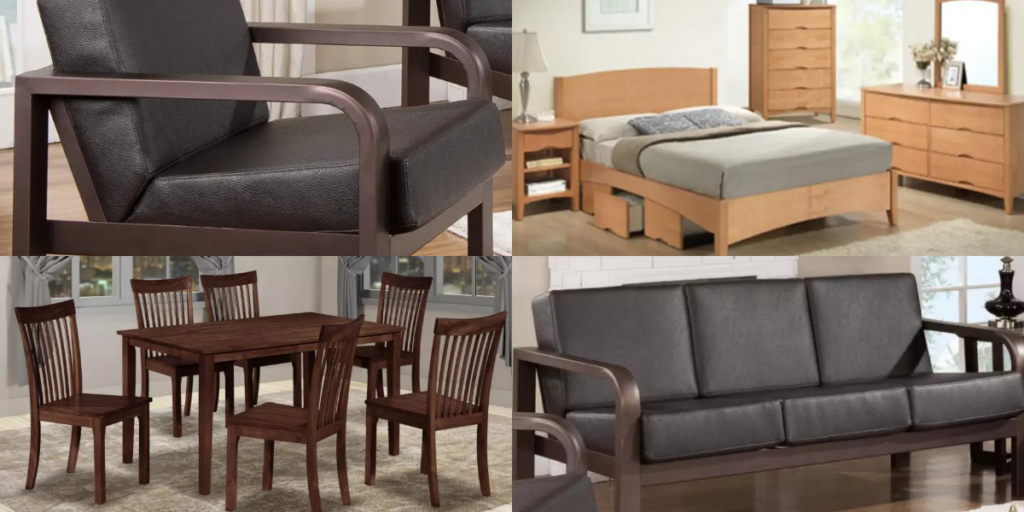
However, standardization is not only about the components; it is also about how they function within a room. Many multi-facility providers have used repeating designs for patient rooms, day rooms, dining areas, and group spaces. Layout consistency helps staff manage safety, supervision, and therapy flow.
Room layout standards that support therapy
When this layout is duplicated across facilities, staff can understand how it will look and where key furniture pieces need to go. It can also help with consistent therapy programming.
Room planning may involve:
- Seating arrangements that support group interaction
- Clear pathways for mobility and staff response
Behavioral health furniture has a lot to do in these areas. It must be long-lasting enough for daily use, pleasant enough for extended periods, and risk-reducing.
Maintenance consistency across multiple sites
Having the same chair, table, or storage unit in multiple locations makes it easier to maintain these items. It is easier to provide spares, training, and detect tampering since you know what “normal” looks like.
Standardization supports maintenance by reducing the number of unique SKUs in inventory, simplifying repair workflows, and speeding up reorders through wholesale furniture agreements.
Rehab-specific furniture features that providers standardize around
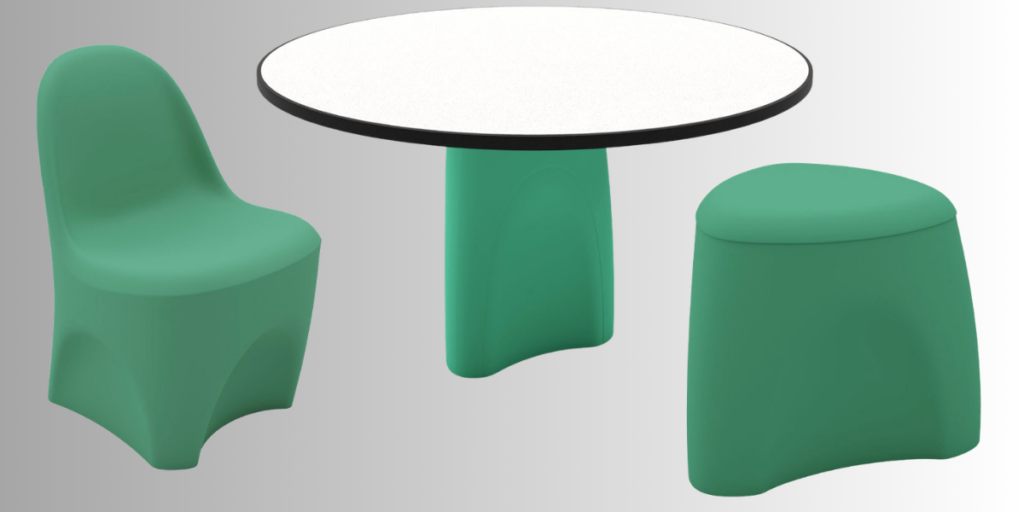
Furniture that promotes functional independence and daily living activities is frequently needed in rehab environments. While adhering to safety standards, standardized specifications usually reflect those objectives.
Adjustable and flexible pieces for ADL-focused care
Rehab programs often incorporate Activities of Daily Living training. That can influence which behavioral health furniture pieces are selected and how rooms are equipped.
Common rehab-supportive options include:
- Adjustable work surfaces for seated and standing tasks
- Storage that helps patients practice organization
Choosing the right furniture material is especially important here because these pieces often see frequent touch, movement, and cleaning.
Sled-base seating and stable construction choices
For instance, some of them opt to use sled base seating systems to minimize the chances of patients interfering with the chair parts. Stability and simplicity almost always ensure success in such areas. The anti-ligature furniture design principles and such components ensure that the patients have comfortable seating arrangements.
Material choices built for hard use and heavy cleaning
Performance-focused furniture material choices are frequently used in behavioral health clinics. Surfaces need to be able to withstand repeated washing cycles and disinfectants. Frames need to be impact-resistant.
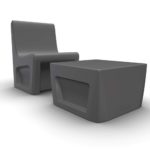
Common material approaches include high-impact polymer options, including roto-molded furniture, heavy-duty wood or metal frames with reinforced joints, and seam designs that reduce fluid intrusion and wear points. Many providers include roto-molded furniture in standard packages for dayrooms, common areas, and high-traffic spaces because it is resilient and consistent across sites.
How multi-facility teams roll out furniture standards successfully
A standard is only useful if it is applied consistently. Multi-site providers often treat standardization like an operational rollout, not a one-time purchasing event.
Start with pilot rooms and gather feedback
In many cases, the team will test a standard furniture package in a few rooms. Feedback from the staff can be valuable, especially when it relates to comfort, supervision, and cleaning. Patient comfort, the impact of the workflow, and the wear associated with the furniture material choices are also common aspects of the pilot program.
Lock in approved packages for common spaces
Organizations usually specify acceptable packages for meals, group rooms, patient bedrooms, and dayrooms following a pilot. Standard packages often include a baseline behavioral health furniture set for each room type and clear rules for substitutions within wholesale furniture orders.
Keep one standard, allow a little local flexibility
While maintaining the same basic product lines, some suppliers permit controlled variation, such as varied finish colors. This helps sites reflect local preferences without breaking maintenance and procurement systems.
If your team is sourcing across states, working with a partner like Furniture Concepts can help streamline wholesale furniture procurement while keeping standards consistent across all facilities.
Conclusion
Ultimately, standardization of rehab-driven furniture across multiple behavioral health facilities can be boiled down to a handful of choices: establishing design standards, employing Evidence-Based Design, focusing on the durability of furniture materials, and building a system of procurement. If the plan is well-thought-out, the behavioral health furniture used in the facility becomes a behind-the-scenes helper. Staff spend less time troubleshooting the environment, and patients spend more time focusing on recovery.
If you are planning a refresh, expansion, or system-wide rollout and need help selecting anti-ligature furniture, roto-molded furniture, or a consistent wholesale furniture package, contact us at Furniture Concepts.
FAQ
What is behavioral health furniture?
Behavioral health furniture is built for rehab and psychiatric settings where safety, durability, and comfort all matter. This furniture is made to handle heavy daily use and frequent cleaning. You will often see stable designs, reinforced frames, and surfaces that resist damage.
What are the furniture quality standards?
Furniture quality standards focus on structural strength, cleanability, and long-term performance. Many providers look for testing and benchmarks like ANSI/BIFMA, plus clear specs for weight capacity and finish durability. For multi-site buying and wholesale furniture packages, standards help keep every facility consistent.
What is ligature-resistant furniture?
Ligature-resistant furniture is designed to reduce points where something could be tied or fastened for self-harm. It often features smooth shapes, fewer gaps, and tamper-resistant construction. The best pieces still look welcoming and feel comfortable in everyday spaces.
What are the furniture quality standards in behavioral health facilities?
Quality standards may also include safety design details in addition to durability. It is quite common to have rounded edges, few seams, and durable construction that can withstand impact and frequent cleaning. Organizations may use checklists to ensure that their behavioral health furniture is consistent across every facility.
What materials are best for behavioral health furniture?
The ideal furniture material is one that is strong, easy to maintain, and can be used repeatedly. Some of the common materials include polymers such as roto-molded furniture for use in high-traffic areas due to their durability in resisting dents and water. Reinforced wood or metal can be effective in healthcare environments when paired with healthcare-grade finishes.