








Restraint-Ready Furniture for Behavioral Health Facilities, Security, and Long-term Performance
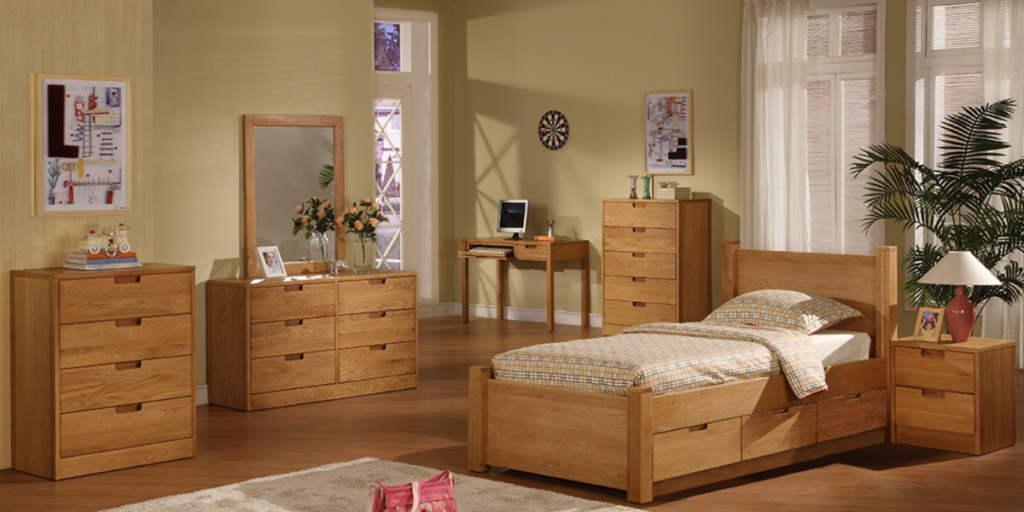
Designing safe & supportive spaces in behavioral health facilities takes real attention to detail. Every element, from how a room is arranged to the type of furniture placed inside, shapes the daily experience of both patients and staff. Furniture, in particular, carries a lot of responsibility because it needs to balance safety, comfort, and long-term strength. It has to perform consistently without breaking down or feeling cold and uninviting. When done right, it quietly supports both care and recovery.
In many behavioral health facilities, furniture must meet strict safety expectations while still creating a calm & respectful atmosphere. Patients respond better to spaces that feel stable & thoughtfully designed, rather than rigid or institutional. At the same time, staff rely on furniture that works without interruption and holds up under pressure. This is where modern health care furniture plays a vital role, blending durability with design that feels more human & less clinical.
Understanding the Role of Furniture in Behavioral Health Facilities
Most don’t know how much furniture really matters in behavioral health facilities. It impacts the way people move around a room, how comfortable they feel, and how well staff can do their jobs. The atmosphere is affected by every chair, bed, & table, affecting safety & daily activities. Careful selection of furnishings will facilitate a smoother and more stable experience for everyone who is within the facility.
Why Safety Is a Core Consideration
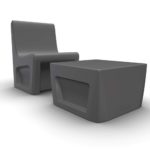
The selection of furnishings for behavioral health centers continues to be a primary concern. Each element should limit potential risks while still allowing typical use throughout the day. That is why ligature-resistant furniture has become the standard; it has been developed to reduce the number of potential attachment places. Its design aims to provide a safer environment without making the surroundings look too constrictive.
In addition, well-designed furniture helps prevent accidental injuries. Rounded edges, secure fixtures, & stable construction all contribute to a safer setting. These details may seem small, but they play a big role in reducing everyday risks while maintaining a comfortable atmosphere.
Creating the Right Balance Between Comfort and Function in Health Facilities
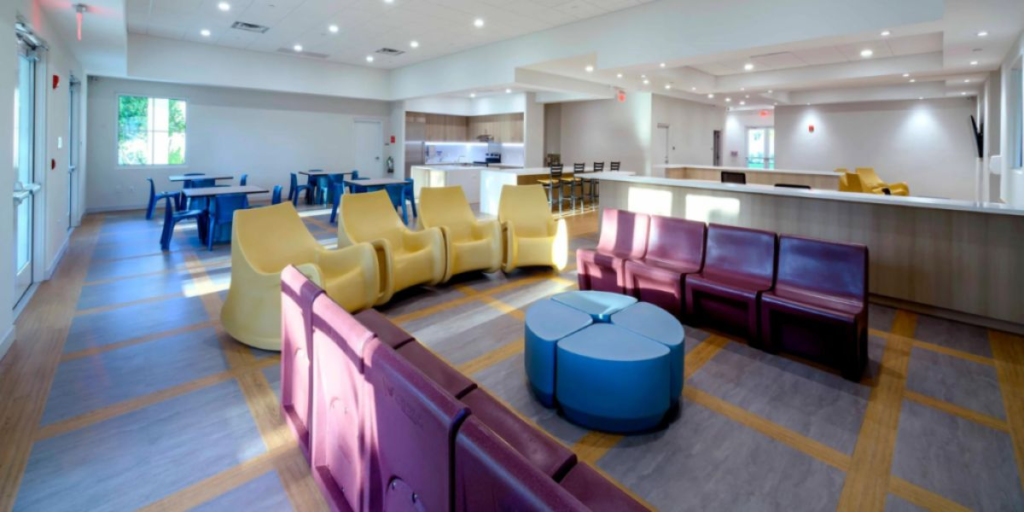
Safety alone cannot define a space. Patients also need to feel at ease in their surroundings. Many modern health care furniture designs include softer shapes, calming tones, & materials that feel less rigid. These features help reduce stress & create a more welcoming environment that supports emotional well-being.
Furniture must continue to be utilitarian & reliable, too. It must work reliably, without continual tinkering and maintenance. It’s this blend of comfort and function that really makes furniture work in behavioral health facilities.
Helping Staff Work with Confidence
Staff need furniture that supports their day-to-day work and doesn’t become an obstacle. Durability matters in busy healthcare settings, as furniture is utilized many times throughout the day. Items that break down or are easily repaired might disrupt workflow and cause frustration.
With sturdy, reliable furniture, personnel can focus on patient care, not maintenance difficulties. This stability helps to establish a safer working environment where activities can be completed effectively & safely.
Key Features of Ligature-Resistant Furniture
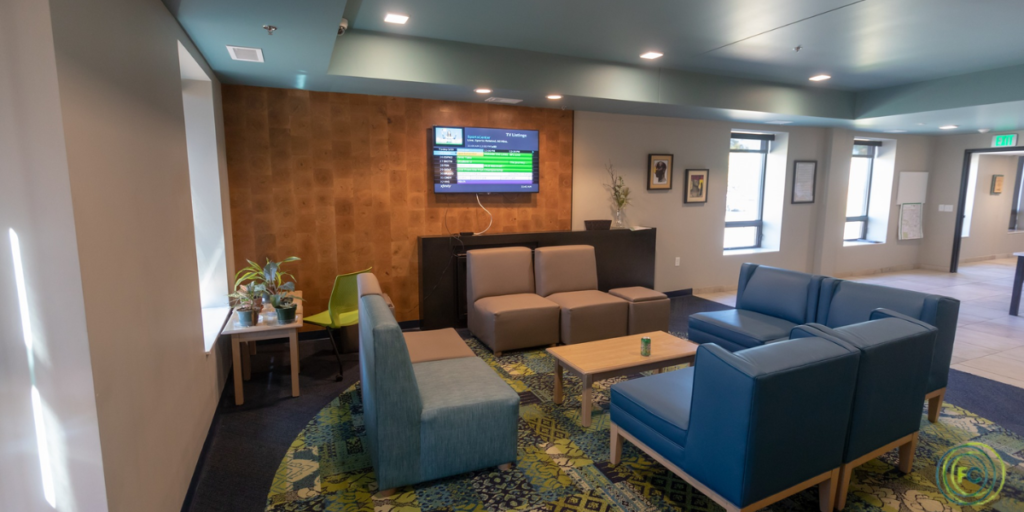
Furniture for high security environments is designed with the demands of mental health establishments. It’s built to withstand constant use while also promoting safety. Together, these qualities create a safe and reliable environment that supports both patients and staff.
Ligature-Resistant Construction for Safer Spaces
Ligature-resistant furniture is engineered to decrease potential dangers by minimizing attachable surfaces. This is particularly important in behavioral health facilities because safety is a consideration at every level. The idea is to make furniture that feels safe, but not austere or confining.
- Smooth, continuous surfaces reduce potential hazards.
- Concealed hardware limits tampering
- Reinforced construction improves stability.
These design elements help create a safer and more controlled space while still maintaining a clean and simple appearance.
Strength That Supports Daily Demands
Behavioral health facility furniture is subject to continuous use and must be constructed to endure. Heavy-duty furniture is made to withstand impact, movement, and prolonged usage without giving up its strength. This level of endurance keeps the area consistent and reduces the need for regular replacements.
Cleanability and Maintenance
Maintaining cleanliness is essential in all health facilities. Furniture with seamless surfaces and non-porous materials allows for easier cleaning and better hygiene control. This helps staff maintain a clean environment while reducing the effort required for daily maintenance.
The Importance of Durable Bed Frames in Patient Rooms
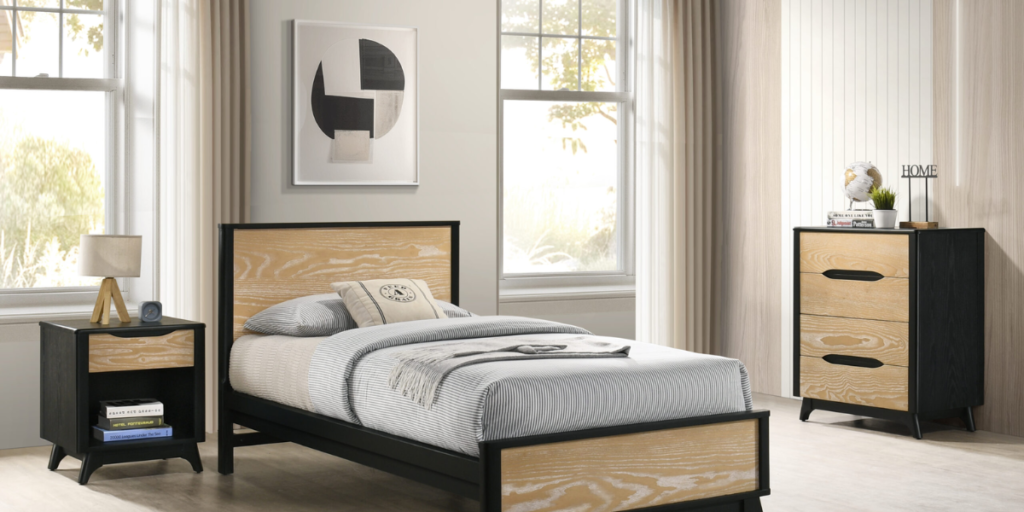
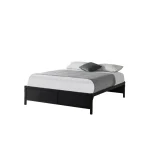
A durable bed frame is one of the most important elements in any patient room within behavioral health facilities. It supports rest, safety, & long-term use, making it a critical part of furniture planning. A well-built bed frame contributes to both comfort and stability.
Built for Everyday Use
A durable bed frame must remain stable through continuous use. In behavioral health facilities, beds are used frequently & must handle movement and weight without weakening over time. Strong construction helps maintain reliability and ensures that the bed continues to perform as expected.
Designed with Safety in Mind
Many durable bed frame designs are built using anti-ligature furniture principles, which reduce risk while retaining a clean structure. The edges are smooth, and the designs are simple for a safer sleeping environment. These elements add safety & simplicity of usage without making the bed seem restricting.
A Practical Long-Term Investment
Investing in a durable bed frame helps reduce how often replacements are needed. Over time, this leads to better cost control & consistent quality across health facilities. It also gives staff confidence that the furniture will perform reliably every day.
Long-Term Performance and Smart Material Choices
Long-term performance should be part of the discussion when planning furnishings for behavioral health facilities. Durability and sustainability are sometimes used interchangeably, especially in places where furniture is in regular use. Selecting elements that will endure the test of time helps minimize waste and encourages better use of resources. It also makes for a more stable atmosphere, with fewer replacements and disruptions.
Choosing Materials That Last
The materials used in healthcare furniture directly affect the lifespan of each piece. High-quality materials are better able to withstand daily wear, frequent washing, and constant use without breaking down. In a behavioral health facility, this level of endurance is critical for space-to-space uniformity.
Lowering Maintenance Demands
Difficult-to-maintain furniture can rapidly become a headache in busy health institutions. Heavy-duty furniture is designed to reduce these problems with solidly crafted pieces that will give years of dependable service. Less upkeep means personnel can spend more time caring for patients and less time fixing chronic problems.
Supporting Responsible Practices
Long-lasting furniture also supports responsible resource management. When pieces such as durable bed frame systems & ligature-resistant furniture are built to last, they reduce waste and contribute to better long-term planning across health facilities.
Why Heavy-Duty Furniture Is Essential in High-Use Settings
Behavioral health facilities experience constant activity, which puts furniture under continuous stress. It must remain reliable while maintaining its structure & appearance over time. This is where heavy-duty furniture becomes essential.
Built to Handle Constant Use
Heavy-duty furniture is designed to withstand frequent use without showing signs of damage. It remains stable & strong even in demanding environments. This helps maintain a consistent & reliable space for both patients & staff.
Supporting Better Cost Management
Furniture that lasts longer decreases the need for replacement, which helps manage long-term costs. Health facilities benefit from investing in furniture that continues to perform without ongoing issues.
Providing Consistency for Daily Operations
Reliable furniture creates a predictable environment where staff can focus on their responsibilities. Patients also benefit from spaces that feel stable & well-maintained.
Selecting the Right Ligature-Resistant Furniture for Your Facility
Ligature-resistant furniture demands significant thought & planning. Every piece has to be safe and work in the larger design of the area. The goal is to develop a safe & functional environment.
What to Look for When Making a Choice
- Designs that limit attachment points
- Materials that support long-term use
- Surfaces that are easy to clean
These factors help create safer behavioral health facilities while maintaining usability.
Matching Furniture to Different Areas
Distinct spaces in health institutions have distinct requirements. Patient rooms, communal spaces & treatment areas demand furniture that meets the purpose. Choosing the proper items for each space increases safety and usability.
Working with the Right Partner
Working with experienced providers like Furniture Concepts can make the process easier. Their expertise helps facilities find furniture that aligns with safety requirements & design goals.
Common Mistakes to Avoid When Choosing Furniture
Choosing the correct furnishings for behavioral health clinics takes planning & an eye for detail. It’s simple to focus on what we need right now, but if we ignore the crucial aspects, we may face issues down the road. Knowing the common pitfalls can help institutions make better decisions.
Ignoring Safety Needs
Furniture choices in mental health facilities should always be driven by safety. Not taking ligature-resistant furniture seriously means more hazards & dangerous circumstances. Thoughtful selections minimize dangers and make for a safer environment for patients and staff.
Focusing Only on Appearance
Looks are important, but they should never come at the expense of usefulness. Healthcare furniture must be able to withstand regular use & meet safety regulations. A balanced approach produces rooms that are attractive-looking and work reliably.
Choosing Short-Term Solutions
If the furniture isn’t sturdy, you’ll probably need to repair it often. Long-term investment in heavy-duty furnishings and a sturdy bedframe will also help ensure long-term consistency.
Conclusion
Furniture is critical to the design of safe and supportive environments in mental health settings. The combination of ligature-resistant furniture and tough bed frame technologies provides safety, comfort, and long-term performance.
By focusing on sturdy materials, well-considered design, and dependable construction, health facilities can provide places that benefit both patients and staff. Quality health care furniture and heavy-duty furniture deliver consistent, lasting value.
Planning a facility upgrade? Contact Furniture Concepts now to explore alternatives intended for safe, durable, and care-focused workplaces.
Frequently Asked Questions
What is restraint-ready furniture used for in health facilities?
Restraint-ready furniture is specifically designed to meet safety protocols in behavioral health facilities. It provides secure solutions for instances when more control may be needed.
Why is ligature-resistant furniture important in healthcare settings?
Ligature-resistant furniture decreases potential risk by removing points of attachment. This makes for a safer atmosphere for patients and workers.
How does a durable bed frame benefit health facilities?
A durable bed frame provides stability, long-term reliability, and comfort. It supports daily use without frequent maintenance issues.
What makes heavy-duty furniture suitable for behavioral environments?
Heavy-duty furniture is meant to endure constant use and possible impact. The strength is suitable for busy healthcare establishments.
How can facilities choose the right furniture provider?
Working with experienced providers like Furniture Concepts helps facilities find solutions that meet safety, durability, and design needs.