











Bariatric Furniture Explained: Designing Safer and More Inclusive Healthcare Spaces
Healthcare environments are changing faster than most people realize. One of the largest changes taking place silently inside hospitals, clinics, & long-term care facilities is the growing need for bariatric furniture that can safely support patients of all sizes.
The trouble is simple, but serious. In many healthcare settings, the typical seating and furniture used were never intended for higher weight capacity. This results in safety issues, painful encounters, and even cases in which patient dignity is accidentally violated.
And that’s where the bariatric furniture comes into play. It’s specialty healthcare furniture built with increased strength, bigger seating dimensions & higher load capacity to facilitate safe and inclusive treatment.
In this blog, we’ll break down what bariatric furniture is, why it matters, its key design features, real-world benefits, & how healthcare facilities can integrate bariatric seating and furniture more effectively.
Key Insight: Bariatric furniture is a critical part of modern healthcare infrastructure because it ensures safe, dignified, and inclusive care for all patients while reducing operational risks for healthcare providers.
What Is Bariatric Furniture, and Why Does It Matter in Healthcare Design?
Bariatric furniture refers to furniture such as seating, tables, beds, and fittings that are specially designed to accommodate those who require a higher weight capacity and a broader size than that offered by normal commercial furniture. In the therapeutic environment, these items are created for the severely obese, often with a weight limit starting at 500 pounds and going much beyond.
The difference between standard healthcare furniture & bariatric options goes far beyond just size. While standard chairs are built for average weight distributions and standard structural loads, bariatric designs account for different physical forces, centers of gravity, and ingress or egress patterns.
Healthcare design has evolved from being an afterthought to inclusivity. When a patient arrives in a waiting room or treatment area and there is no safe, comfortable place for them to sit, it generates a tone of exclusion. The right furniture, incorporated effortlessly into the area, maintains patient dignity, lowers clinical anxiety, and assures baseline accessibility for every person seeking care.
Key Features That Define High-Quality Bariatric Furniture
To understand why specialized furniture is necessary, it helps to look at the engineering and safety standards required for clinical environments.
Heavy-Duty Weight Capacity Design
The regular commercial seats will usually hold 250 or 300 pounds. Quality bariatric solutions are designed to withstand 500 to over 1,000 pounds of dynamic load. This means that the furniture can withstand the impact force of a patient sitting down heavily and does not fail structurally reducing liability risks.
Ergonomic Width and Depth for Comfort
Standard chairs offer a seat width of roughly 18 to 20 inches. Bariatric seating features expanded widths ranging from 24 to 30 inches or more. This extra clearance allows patients to sit comfortably without feeling wedged against armrests, providing better weight distribution & reducing pressure points.
Reinforced Frames and Structural Stability
Beneath the fabric, these pieces feature heavy-gauge steel, reinforced wood framing, or solid aluminium construction. Integrated anti-tip designs are standard, ensuring that even if a patient leans heavily on one armrest or shifts their weight to the front edge during egress, the chair remains completely anchored.
Antimicrobial and Clinical-Grade Upholstery
Healthcare furniture must be tough enough to resist hostile surroundings. True bariatric choices are made with non-porous, moisture-barrier materials that resist hospital-grade disinfectants. Prevents liquid penetration & reduces infection control hazards.
| Feature | Standard Healthcare Furniture | Bariatric Healthcare Furniture |
|---|---|---|
| Weight Capacity | 250 – 300 lbs | 500 – 1,000+ lbs |
| Seat Width | 18" – 20" | 24" – 30"+ |
| Frame Material | Standard steel / light wood | Heavy-gauge steel / reinforced frames |
| Safety Testing | Standard BIFMA | High-capacity dynamic load testing |
Types of Bariatric Furniture Used in Modern Healthcare Facilities
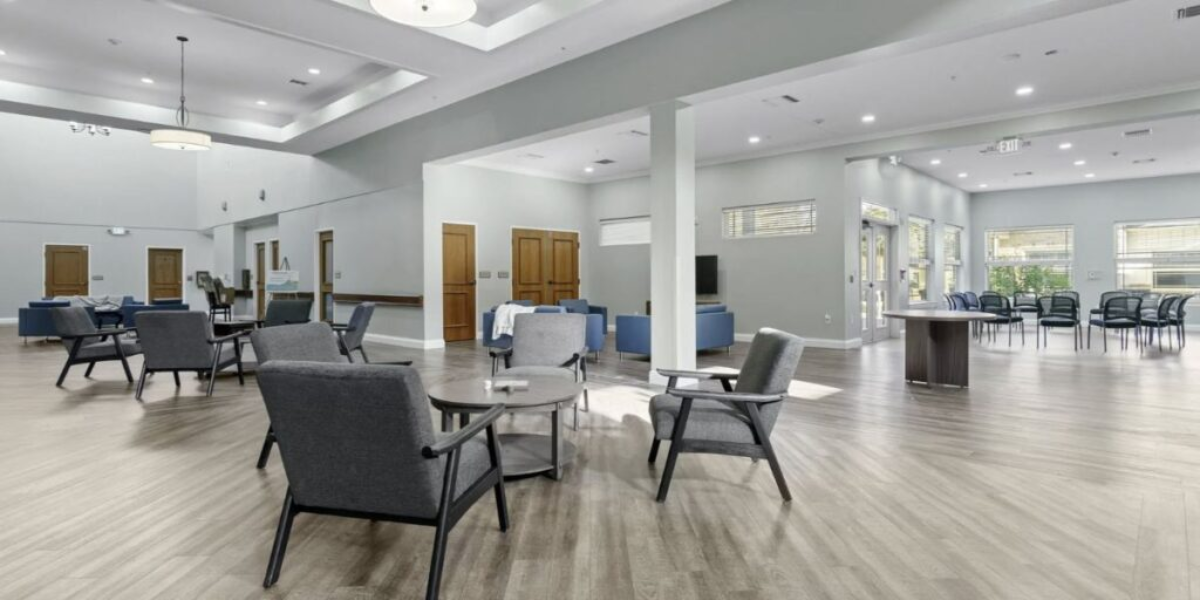
A truly inclusive facility integrates specialized furniture across every department, from the front door to the recovery room.
- Bariatric chair options: These serve as the workhorses of exam rooms and general clinical spaces, offering independent seating that matches the aesthetic of standard chairs.
- Bariatric armchair solutions: Great for patient recovery rooms & consulting areas. Solid armrests, extended to give leverage while standing up.
- Bariatric seating systems: Tandem seating configurations & modular benches designed for reception areas, allowing side-by-side seating without visible segregation.
- Bariatric folding chair configurations: Highly useful for flexible healthcare environments, multi-use rooms, or sudden spikes in patient volume where extra capacity is needed quickly.
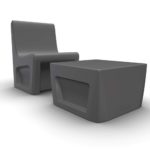
- Bariatric lounge chair styles: Designed specifically for comfort-focused patient areas, behavioral health spaces, or oncology clinics where patients remain seated for extended periods.
- Heavy-duty hospital seating: High-back configurations and specialized recliners used in long-term care and physical rehabilitation facilities.
How Bariatric Furniture Improves Patient Safety and Experience
When a healthcare facility utilizes under-engineered furniture, the patient experiences physical and emotional vulnerability. A standard chair that wobbles or feels tight causes immediate psychological stress.
Investing in proper seating reduces the risk of falls, structural breakage, & subsequent physical injuries. Beyond physical safety, it preserves human dignity. Patients are often acutely aware of their physical environment. Providing spacious, strong seating eliminates the embarrassment of asking for a different chair or risking a public equipment failure. It creates a welcoming, supportive, & truly inclusive healthcare experience where the environment adapts to the patient, rather than forcing the patient to struggle with the environment.
Benefits for Healthcare Staff and Facility Operations
The advantages extend straight to the clinical team and the facility’s bottom line.
- Reduces staff injury risks: Nurses and aides frequently experience musculoskeletal strain when assisting patients out of chairs that are too low or lack proper support. Sturdy armrests & appropriate seat heights allow patients to stand up with less manual assistance.
- Improves clinical workflow: When the right equipment is already in place, staff don't have to scramble to find specialized chairs from other departments, keeping appointments on schedule.
- Minimizes operational liability: Equipment failure in a medical setting can result in costly workers' compensation claims or patient lawsuits. Heavy-duty furniture mitigates these structural risks entirely.
Designing Inclusive Healthcare Spaces with Bariatric Furniture
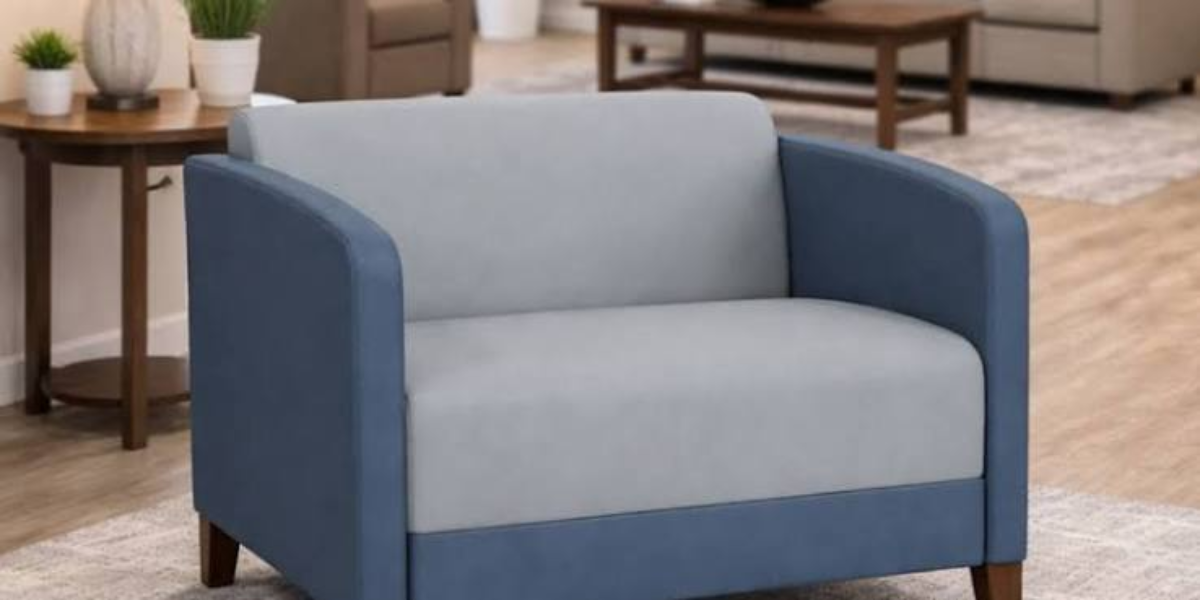
Simply buying a few heavy-duty chairs is not enough. Successful installation requires thoughtful spatial planning & an understanding of healthcare interior architecture.
Discreet Integration in Waiting and Reception Areas
A common mistake is placing all high-capacity chairs in an isolated corner of the room. This causes visible segregation and alienates patients. Instead, facilities should adopt a 15% to 20% seating allocation for bariatric options & integrate them naturally into the overall layout. Using wide, open-sided benches or reinforced loveseats allows patients of all sizes to choose their own seating without feeling singled out.
Expanded Room Clearance Requirements
Bariatric care requires more physical space. Patient rooms should ideally feature an additional 100 to 150 square feet of clearance compared to standard rooms. This provides an ample turning radius for mobility devices, bariatric beds & mechanical lifting equipment without bumping into walls or furniture.
Accessible Doorways and Bathroom Adaptations
The entryway must accommodate the furniture and the patient. Wider door frames, bariatric-specific grab bars anchored into reinforced wall blocking, & larger floor-drain showers are essential elements of an accessible clinical floor plan.
Why Bariatric Furniture Is Becoming Essential in Modern Healthcare Facilities
Public health data indicate a steady rise in average patient weights across the United States. This population shift is driving changes in healthcare regulatory standards & building codes.
Accreditation organizations and insurance groups look closely at risk management profiles. Transitioning to a patient-centered care model means recognizing that physical infrastructure dictates the quality of care. Facilities that proactively upgrade to inclusive infrastructure protect their staff, lower their long-term liabilities, and build a reputation for compassionate, high-quality medical care.
Choosing the Right Bariatric Furniture for Your Facility
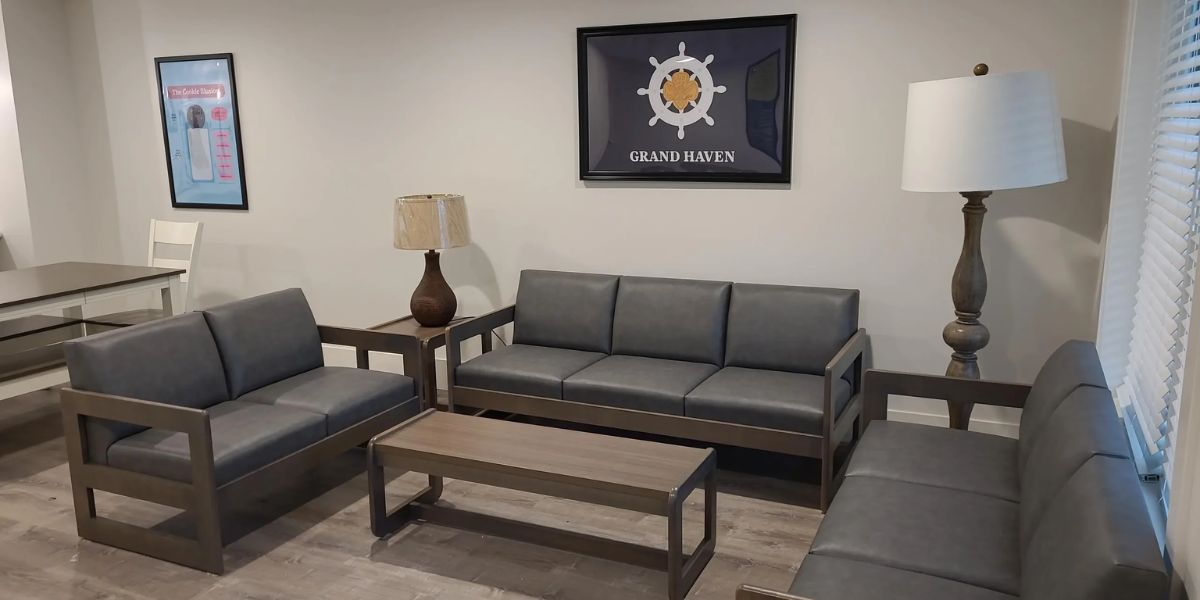
When sourcing furniture for a hospital or clinic, buyers must evaluate several factors:
- Weight Capacities: Never guess. Ensure all specified products have verified independent laboratory certifications for their rated capacities.
- Aesthetic Continuity: Look for product lines where the bariatric models visually match the standard-sized versions in frame design & upholstery options.
- Infection Control: Confirm that frames have minimal open seams and that fabrics can handle the specific chemical disinfectants used by your environmental services team.
- Lifecycle Value: While heavy-duty furniture requires a higher upfront investment, its structural longevity far outlasts standard furniture, offering a much lower total cost of ownership over time.
Future of Bariatric Furniture in Healthcare Environments
The medical furniture industry is moving toward smarter, more adaptable solutions. We are seeing the development of modular seating systems that can transform from two standard seats into one high-capacity section without tools.
Material science innovations are yielding lightweight alloys that provide incredible structural strength without the immense physical weight of traditional steel, making it easier for environmental services teams to move & clean around the furniture. Additionally, manufacturers are focusing heavily on sustainable materials, ensuring that heavy-duty clinical furniture meets corporate environmental goals.
Why Choose Furniture Concepts for Bariatric Furniture Solutions
Furniture Concepts delivers sturdy, healthcare-focused furniture solutions across the USA with decades of experience delivering commercial-grade surroundings. “We know that safety, regulatory compliance, and patient dignity are non-negotiable.
Our extensive catalog contains specialist bariatric seats such as the traditional bariatric chair, supportive bariatric armchair types, modular bariatric seating systems & comfy bariatric lounge chair models. Designed to endure the harsh circumstances of hospitals, behavioral health clinics, long-term care facilities & rehabilitation institutes. Furniture Concepts blends structural strengthening and friendly, non-institutional aesthetics to assist facilities in creating settings where every patient feels safe and welcome.
Conclusion
Modern healthcare design increasingly sees bariatric furniture as a crucial component, rather than just a convenience. As patient demands continue to grow, institutions are required to provide safe, accessible & courteous environments for everyone. Good bariatric seating & furniture reduces safety risks, improves comfort & provides dignity in care for patients.
From bariatric chairs in waiting areas to bariatric lounge chair solutions in recovery spaces, the right furniture directly supports better patient experiences and smoother facility operations. It also helps healthcare teams work more safely and efficiently, reducing strain & preventing avoidable injuries.
Ultimately, investing in bariatric furniture is investing in healthcare environments that truly welcome all. Facilities that implement this method are more equipped to meet future patient care needs as well as current compliance obligations.
If you are planning to upgrade your facility or explore tailored bariatric seating solutions, contact us today to discuss the right options for your healthcare environment.
Frequently Asked Questions
What is bariatric furniture in healthcare settings?
It is furniture engineered with reinforced frames, wider dimensions, & specialized materials designed to safely support patients with higher weight profiles who cannot be accommodated by standard commercial furniture.
What weight capacity does bariatric furniture typically support?
Most high-grade alternatives support dynamic loads from 500 pounds to over 1,000 pounds depending on the particular model & clinical objective.
Where should bariatric seating be used in hospitals or clinics?
It should be used across all public and clinical zones, including main waiting rooms, reception areas, exam rooms, pre-op areas, and private patient recovery rooms.
How does bariatric furniture improve patient care?
It prevents structural equipment failures and patient falls while removing the psychological discomfort & stigma often associated with inadequate seating sizes.
Is bariatric furniture required for healthcare compliance?
While specific regional codes vary, major healthcare accreditation organizations & risk-management guidelines highly recommend or mandate appropriate weight-capacity provisions to meet patient safety and workplace safety standards.