








How the Right Shelter Furniture Can Improve Safety and Comfort
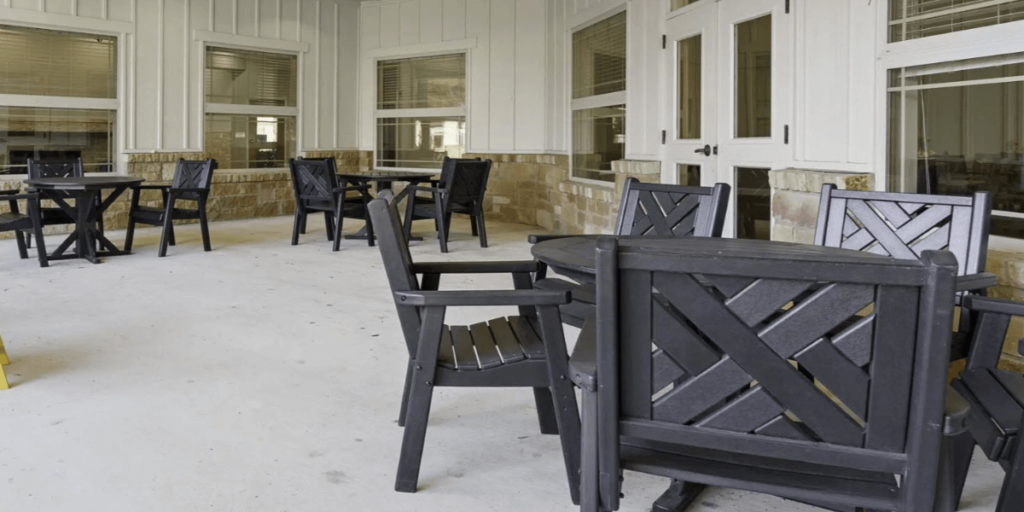
A shelter is more than a temporary place to stay. It is an environment where people seek safety, stability, comfort and dignity during difficult circumstances. Every part of that environment—including bedrooms, common areas, dining spaces and shared facilities—can influence the resident experience.
Organizations can create safer, more comfortable environments better suited to daily needs by selecting the correct shelter furniture. Shelter items need to be durable enough to withstand regular use, versatile enough to suit a variety of demands, & aesthetically pleasing enough to retain their appearance over time, unlike traditional residential furniture.
From durable seating to space-efficient sleeping solutions, the right furniture choices can improve daily operations while creating a more welcoming environment for residents. Furniture Concepts provides furniture solutions designed for shelters, human service programs, healthcare facilities, & other high-use environments where quality and reliability matter.
Why Choosing the Right Shelter Furniture Matters
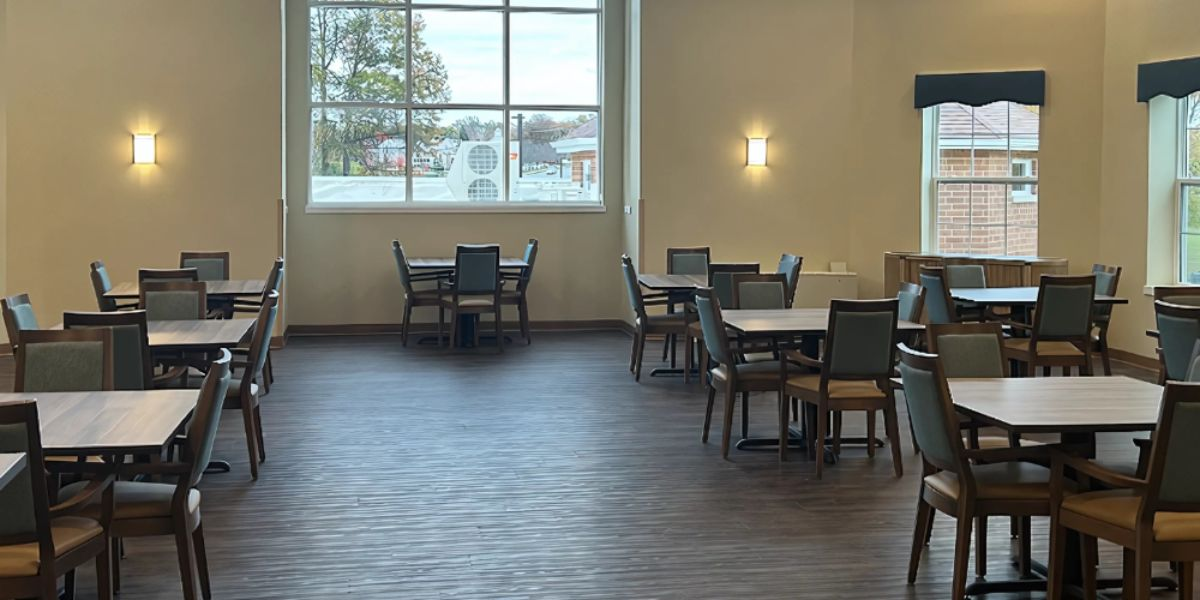
Selecting furniture is a crucial part of planning a facility since shelters are generally busy places. Furniture has to be functional to assist the daily routine and to meet the practical requirements of durability, safety, maintenance, and comfort.
Low-quality furniture may wear down quickly, requiring frequent repairs or replacements. This can increase operational costs & create disruptions for residents & staff. In comparison, well-designed shelter furniture provides long-term value by offering reliable performance in demanding environments.
When selecting furniture for shelters, organizations should consider:
- Durability for heavy daily use
- Easy cleaning & maintenance
- Resident comfort
- Safety requirements
- Efficient use of available space
- Long-term performance
A thoughtful furniture selection process allows facilities to create spaces that are functional while supporting a positive experience for residents.
How Shelter Furniture Improves Safety
Safety is one of the most important factors when designing shelter environments. Furniture choices can influence how secure, organized, & manageable a facility feels.
Durable Construction Reduces Safety Risks
Shelter furniture needs to withstand regular movement, frequent use, & changing conditions. Products built with strong materials and reliable construction are better equipped to handle demanding environments.
Durable shelter furniture helps reduce issues caused by broken parts, damaged surfaces, or unstable pieces. Strong construction also allows facilities to maintain safer spaces with fewer interruptions caused by furniture repairs.
For shelters and human service programs, investing in durable products supports better facility management & reduces the need for constant replacements.
Easy-to-Maintain Furniture Supports Cleaner Spaces
Shelters require furniture that can be maintained efficiently. Seating, tables, beds, and storage solutions should be designed with materials that support regular cleaning routines.
Furniture that is easier to clean helps staff maintain a healthier environment while keeping shared spaces comfortable and functional. This is especially important in areas where multiple residents use the same furniture throughout the day.
Selecting the proper materials and finishes helps to extend product life while supporting the everyday needs of shelter operations.
Safety-Focused Furniture Supports Specialized Environments
Different facilities have different requirements. Some shelters may serve individuals with specific needs that require carefully selected furniture solutions.
Safety-focused furniture is designed to support environments where durability, stability, & thoughtful construction are important considerations. This approach is especially valuable in behavioral healthcare, transitional housing, and human service settings.
We offer solutions designed for specialized environments, including behavioral healthcare furniture & shelter-related applications.
Improving Comfort Through Better Shelter Furniture Choices
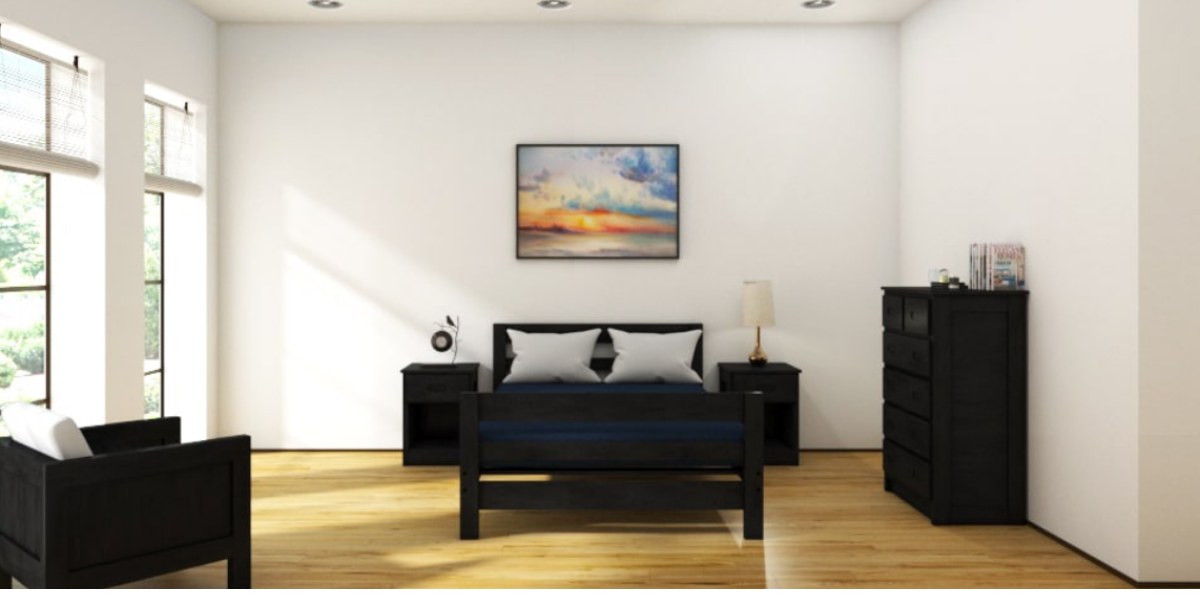
While safety is essential, comfort plays an equally important role in creating supportive spaces. A comfortable environment can help residents feel respected and more at ease.
Comfortable Seating Creates Welcoming Common Areas
Common areas are important parts of shelters. They provide spaces where residents can relax, connect with others, & access support services.
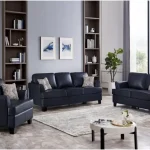
The right seating options can help transform shared areas into comfortable and inviting spaces. Durable chairs, sofas, and lounge furniture provide comfort while maintaining the strength needed for high-use environments.
Furniture designed specifically for shelters offers a balance between appearance, functionality, & long-term performance.
Better Sleeping Solutions Improve Daily Living
Sleeping areas require furniture that provides comfort while maximizing available space. Beds and mattresses should be selected based on durability, safety, & the needs of residents.
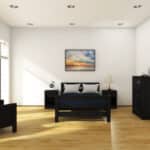
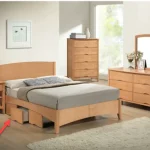
For facilities with limited space, space-saving furniture solutions can help create organized sleeping areas without reducing comfort. Options such as bunk beds, compact storage solutions, & functional bedroom furniture allow shelters to use their available space effectively.
We provide space-saving solutions designed for healthcare and shelter environments.
The Importance of Durable Furniture for Homeless Shelters
Furniture used in shelters must handle more than normal residential use. It needs to support frequent activity, changing users, and continuous daily operations.
Choosing quality homeless shelter furniture helps organizations create dependable environments while reducing unnecessary replacement costs.
Important benefits include:
- Longer product lifespan
- Reduced maintenance requirements
- Better resident comfort
- Improved facility appearance
- More reliable daily performance
Durable furniture designed for tough settings lets shelters concentrate resources on services for clients, instead of frequent furniture headaches.
How Transitional Housing Furniture Supports Recovery and Stability
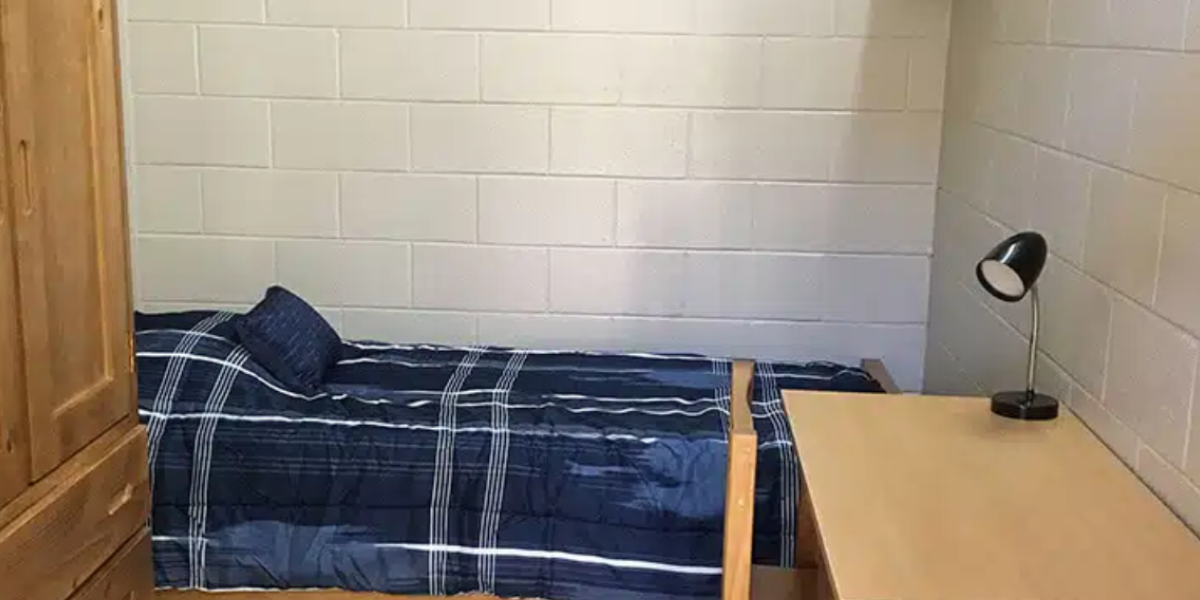
Transitional housing environments require furniture that creates a sense of comfort & stability. These facilities often help individuals move toward more permanent housing solutions, making the environment an important part of the overall experience.
Transitional housing furniture should provide:
- Comfortable living areas
- Functional sleeping spaces
- Reliable storage options
- Durable products for long-term use
The right furniture helps create spaces that feel organized & supportive. A well-designed environment can contribute to a better experience for residents while helping staff manage daily operations more effectively.
Space Planning Considerations for Shelter Furniture
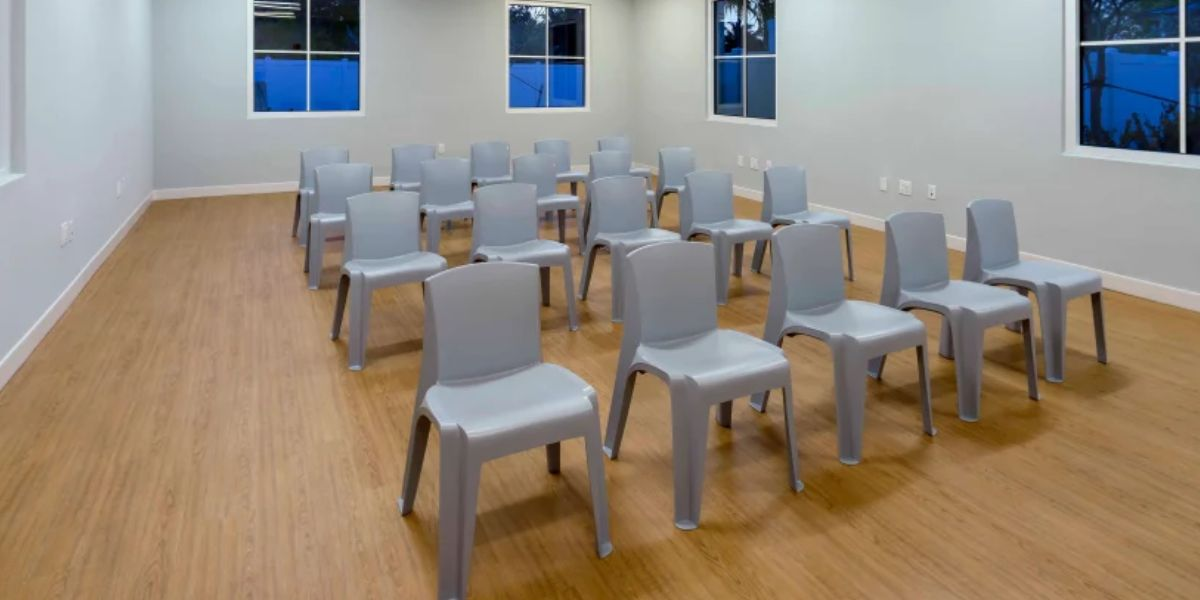
Many shelters operate within limited spaces, making efficient planning essential. Furniture should support multiple functions while keeping areas organized & accessible.
Different areas may require different solutions:
Sleeping Areas
Beds, mattresses, bunk beds, & storage furniture should provide comfort while making efficient use of available space.
Common Areas
Seating arrangements should encourage comfort, interaction, and community while maintaining durability.
Dining Areas
Tables and chairs should support daily meals & frequent use while remaining easy to maintain.
Staff Areas
Workspaces should include functional furniture that supports facility operations.
Proper planning ensures every piece of furniture contributes to a safer & more comfortable environment.
Why Contract Furniture Is a Smart Choice for Shelters
Shelters sometimes require furnishings that can sustain constant use. Unlike standard retail furniture, contract furniture for shelters is designed for commercial and institutional environments.
Benefits of contract furniture include:
- Stronger construction
- Better durability
- Reliable performance
- Options designed for specific facility needs
Organizations that choose contract furniture can invest in products built for rigorous environments, rather than products made for occasional household use.
The Role of Healthcare Furniture Solutions in Shelter Environments
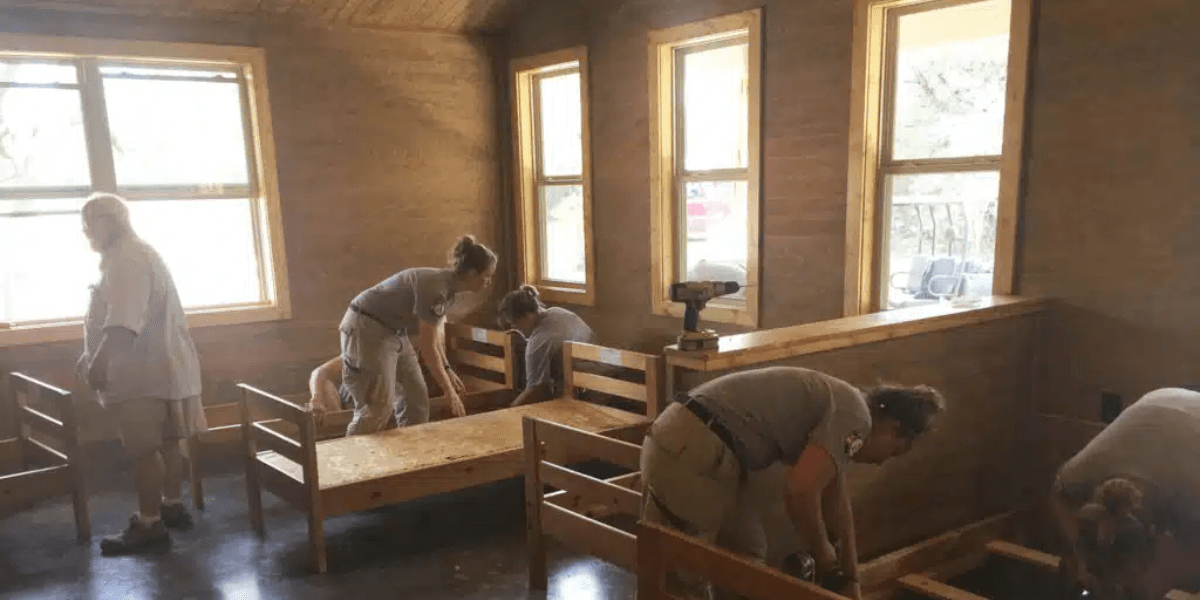
Certain shelters and support facilities need furniture options that mimic hospital surroundings. These environments often require items with comfort, durability, and safety in one.
Healthcare furniture solutions can support facilities where furniture must meet higher performance expectations. This includes seating, bedroom furniture, tables, & specialized products designed for challenging environments.
We serve healthcare and human service programs with solutions focused on functionality, durability, & thoughtful design.
How to Choose the Right Furniture for Your Shelter
Before purchasing furniture, facilities should evaluate their specific requirements.
Consider Daily Usage
Understand how often furniture will be used & what level of durability is required.
Evaluate Maintenance Needs
Choose materials that allow easier cleaning and support long-term appearance.
Review Safety Requirements
Select products that align with the needs of residents & staff.
Plan Available Space
Choose furniture that improves functionality without overcrowding rooms.
Focus on Long-Term Value
The lowest-cost option may not always provide the best long-term performance. Quality furniture can reduce replacement needs and support better facility operations.
Why Choose Furniture Concepts for Shelter Furniture Solutions?
We know the special needs of shelters, transitional housing programs, and human service agencies. The company offers furniture solutions that are built with durability, comfort, and practical facility demands in mind.
From seating and bedroom furniture to specialized products, Furniture Concepts helps organizations create spaces that support safety and everyday comfort.
With experience serving healthcare and human service environments, we provide reliable solutions for facilities that need furniture built for real-world use.
Conclusion
The right shelter furniture can make a significant difference in how safe, comfortable, and functional a facility feels. Strong construction, practical designs, and durable materials help organizations create better spaces for residents and staff.
Whether your facility needs homeless shelter furniture, transitional housing furniture, or specific solutions for healthcare situations, selecting the correct goods is a vital step in creating supportive living spaces.
Furniture is not simply an item placed inside a room. In shelter environments, it helps create a space where people can feel comfortable, respected, and supported.
Looking for durable and reliable furniture solutions for your shelter or human service facility? Contact us today to discuss your requirements and find the right furniture options for your space.
Frequently Asked Questions
What type of furniture is best for shelters?
The best shelter furniture is designed for durability, safety, comfort, & frequent daily use. Facilities should look for furniture made with strong materials, easy-to-maintain surfaces, and designs that support the needs of residents and staff.
Why is durable furniture important for homeless shelters?
Durable shelter furniture helps facilities reduce frequent replacements & maintenance costs. Since shelter environments experience regular use, furniture built for long-term performance helps maintain safer and more functional spaces.
How does shelter furniture improve resident comfort?
The right homeless shelter furniture provides comfortable seating, reliable sleeping solutions, & functional living spaces. Well-designed furniture helps create an environment where residents feel more supported and respected.
What should shelters consider when choosing furniture?
Shelters should consider factors such as durability, safety, maintenance requirements, available space, & long-term value. Choosing furniture designed specifically for high-use environments helps ensure better performance.
Can shelter furniture help maximize limited space?
Yes. Space-saving furniture solutions such as bunk beds, compact storage units, & multifunctional furniture can help shelters create organized living areas while making better use of available space.
What makes transitional housing furniture different from regular furniture?
Transitional housing furniture is designed for environments that require a balance of comfort, durability, & functionality. It needs to support daily living while handling frequent use in shared spaces.
Why should shelters choose contract furniture?
Contract furniture for shelters is built for commercial and institutional environments. It typically offers stronger construction, better durability, and designs that meet the demands of facilities with continuous use.
How does safety-focused furniture support shelter environments?
Safety-focused furniture helps facilities create more secure spaces through durable construction, thoughtful designs, & materials selected for demanding environments. It supports both resident needs and staff responsibilities.