









Metal Furniture vs. Wood Furniture: Which Is Better for Healthcare Facilities?
Tiffany Fenner
•
October 1, 2026
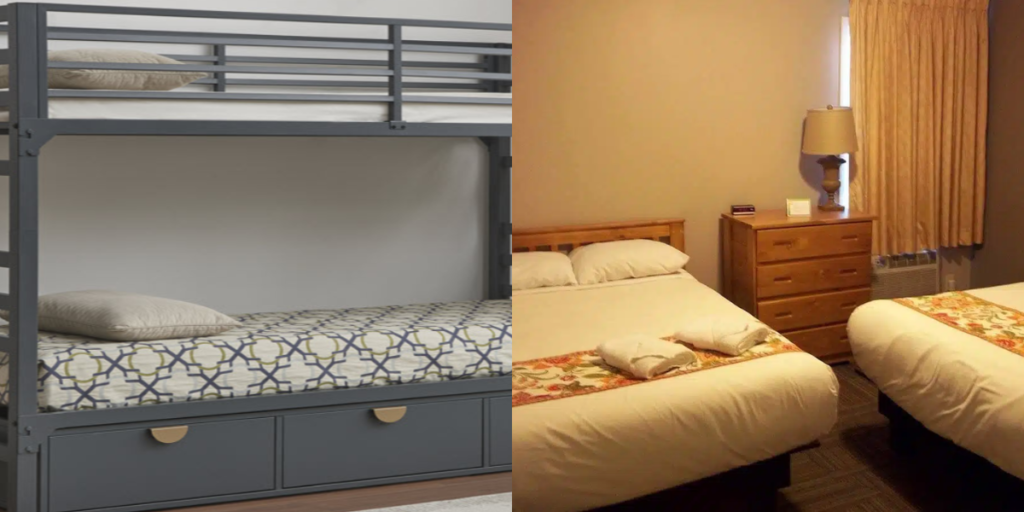
Choosing between metal furniture and wood furniture for a healthcare facility is rarely as simple as deciding which material lasts longer.
A hospital patient room, behavioral health unit, recovery center, residential treatment facility, waiting area, and administrative office can have very different demands. Furniture may need to withstand constant use, frequent cleaning, moisture exposure, movement, impacts, and changing patient needs. At the same time, some spaces benefit from furnishings that feel warmer and less institutional.
So, which material is better?
For high-use areas where cleanability, strength, and repeated maintenance are major priorities, metal furniture for healthcare facilities often has an advantage. In spaces where creating a residential or welcoming atmosphere matters, properly designed wood furniture for healthcare facilities can be a strong option.
The best decision comes from matching the material to the environment rather than selecting one material for an entire facility.
Quick Answer: Metal vs. Wood Furniture for Healthcare Facilities
| Consideration | Metal Furniture | Wood Furniture |
|---|---|---|
| Heavy daily use | Excellent | Good to excellent, depending on construction |
| Frequent cleaning | Excellent with compatible finish | Depends heavily on sealed finish |
| Moisture resistance | Strong with corrosion-resistant coating | Requires protected, intact surfaces |
| Residential appearance | More functional or institutional | Warm and residential |
| Impact resistance | Typically strong | Depends on wood type and joinery |
| Maintenance | Usually limited | Finish may require additional attention |
| Patient-care areas | Often well suited | Requires careful material selection |
| Residential treatment spaces | Suitable | Often a strong aesthetic fit |
| Long-term durability | High with proper coating | High with quality construction and care |
| Design flexibility | High | High |
The important distinction is that healthcare furniture materials should be evaluated based on the room, patient population, cleaning protocol, construction quality, and expected level of use.
Why Does Furniture Material Matter in Healthcare?
Furniture in a healthcare environment is exposed to conditions that ordinary residential furniture may never encounter.
Beds, chairs, tables, nightstands, storage units, and other healthcare facility furniture may be used by many people every day. Staff may move furniture frequently. Surfaces may require routine cleaning and disinfection. Certain environments also need additional attention to tamper resistance, stability, accessibility, fluid resistance, or behavioral health safety.
The CDC recommends selecting furnishings that can tolerate repeated cleaning and notes that materials prone to cracks, scratches, and chips can become harder to maintain. Its environmental cleaning guidance also identifies nonporous, easy-to-clean surfaces as important considerations in patient-care environments. CDC guidance on selecting cleanable healthcare furnishings
That makes material selection an operational decision, not simply a design decision.
Where Metal Furniture Has the Advantage
1. Metal Handles Demanding, High-Use Environments
One of the strongest reasons facilities choose metal furniture is structural durability.
Quality steel frames can handle repeated use, movement, and demanding conditions. This makes metal a practical option for beds, dining furniture, storage, seating frames, and other furniture for high-use healthcare environments.
Furniture Concepts already uses metal across many categories designed for institutional and group-living applications. You can compare the broader selection of metal furniture options from Furniture Concepts when evaluating different applications.
However, material alone does not determine performance. Weld quality, gauge, joints, coatings, fasteners, weight capacity, and overall construction should also be reviewed.
2. Metal Can Simplify Cleaning
Cleanability is a major concern when selecting hospital furniture and other furnishings used near patients.
Smooth metal surfaces with durable finishes generally provide fewer porous areas than unfinished wood. This can make routine cleaning easier, particularly when the design minimizes unnecessary joints, cracks, and crevices.
CDC guidance recommends regular cleaning and disinfection of environmental surfaces in healthcare facilities and specifically emphasizes more frequent attention for high-touch surfaces. CDC recommendations for environmental surface cleaning and disinfection
Facilities should still verify that their disinfectants are compatible with the furniture finish. Repeated use of an incompatible chemical can damage coatings, which may eventually expose the underlying metal.
3. Coatings Can Improve Corrosion Resistance
Bare steel and moisture are not an ideal combination. That does not automatically make metal unsuitable for healthcare use.
Protective finishes such as powder coatings can create a barrier between the metal and its environment. Furniture Concepts’ existing comparison of rotomolded, metal, and wood furniture for high-use facilities also highlights the importance of protective finishes when metal will face moisture or demanding conditions.
When selecting commercial healthcare furniture, buyers should ask:
- What finish is used?
- Is the finish compatible with the facility’s cleaning products?
- How are welds and joints protected?
- What happens if the coating is scratched?
- Is the furniture intended for the level of moisture in the room?
These questions often reveal more about long-term performance than the word “metal” alone.
4. Metal Can Work Well in Security-Focused Areas
Behavioral healthcare and other higher-risk environments sometimes require furniture that limits opportunities for damage, tampering, concealment, or unauthorized modification.
Heavy-duty metal construction can be useful in these situations when the furniture is specifically engineered for the intended setting.
However, a standard metal chair should never be assumed to meet the safety requirements of a behavioral health unit simply because it is made from steel. Behavioral healthcare furniture should be selected according to the facility’s own risk assessment, patient population, and applicable safety requirements.
Where Wood Furniture Has the Advantage
1. Wood Creates a Warmer, More Residential Appearance
Clinical spaces do not all need to look institutional.
In residential treatment programs, supportive environments, counseling spaces, private rooms, and other longer-stay settings, Wood Furniture can help create a familiar residential character.
This is one reason wood remains relevant even as facilities prioritize durability and cleanability. We discuss this balance in our guide to wood furniture for healthcare patient spaces.
The visual effect can be especially important in spaces designed to feel less clinical while still supporting everyday facility operations.
2. Quality Wood Furniture Can Be Highly Durable
It is a mistake to assume that all wood furniture is fragile.
Commercial-grade wood furniture can perform well when it is built with strong joints, appropriate materials, durable finishes, and construction intended for frequent use.
The more useful comparison is therefore not
metal = strong
wood = weak
Instead, buyers should compare specific products based on:
- Frame construction
- Joinery
- Surface finish
- Moisture resistance
- Weight capacity
- Replacement parts
- Warranty
- Expected frequency of use
Our guide comparing wood and metal bed frames for care facilities demonstrates why the best material often depends on how and where a product will be used.
3. Wood Offers Broad Design Flexibility
Wood finishes can complement residential interiors, therapeutic settings, offices, dining spaces, and communal areas.
Facilities can use wood furniture in healthcare facilities to create visual continuity across bedrooms, lounges, meeting rooms, dining spaces, and quieter areas without making the interior feel overly clinical.
The trade-off is that the finish becomes especially important. Once a sealed wood surface is damaged, moisture and cleaning chemicals can affect the exposed material.
Cleaning and Infection-Control Considerations
Cleanability deserves separate attention because it can materially affect the choice between metal furniture and wood furniture.
CDC guidance for healthcare cleaning programs recommends choosing surfaces that:
- Can withstand repeated cleaning
- Are easy to maintain and repair
- Resist moisture retention
- Minimize cracks and hard-to-clean features
- Are appropriate for the level of patient contact
For direct patient-care areas, CDC guidance specifically favors metals and hard plastics over moisture-holding porous materials such as wood. CDC environmental cleaning guidance for healthcare surfaces
This does not mean wood has no place in healthcare. It means easy-to-clean healthcare furniture needs to be selected according to the infection-control demands of the specific room.
The disinfectant matters too. EPA lists many hospital and institutional disinfectants designed for hard, nonporous surfaces, reinforcing why facilities should verify both the disinfectant label and the furniture manufacturer’s cleaning instructions before establishing a routine. EPA-registered antimicrobial products for hospital and institutional surfaces.
Metal vs. Wood Furniture: Which Costs Less Over Time?
Purchase price alone does not tell you the true cost of healthcare furniture.
A useful purchasing model is
Total ownership cost = purchase price + maintenance + repair + downtime + replacement
A lower-cost piece that needs frequent repair or premature replacement may cost the facility more over several years.
Consider these questions before comparing quotes:
How often will the furniture be used?
A chair used around the clock in a high-turnover unit faces different demands from a chair in a staff office.
How often will it be cleaned?
Repeated disinfecting can test coatings, sealants, upholstery, joints, and edges.
What type of damage is most likely?
Different environments create different risks. Some furniture is more likely to experience moisture, while other pieces may face impact, movement, tampering, or excessive loading.
Can damaged components be repaired?
Replaceable parts can extend useful furniture life and help protect the original investment.
For a broader look at these factors, see our guide on how long healthcare furniture can last.
Which Material Works Best in Different Healthcare Spaces?
A mixed-material strategy is often more practical than choosing one material throughout the entire building.
| Healthcare Area | Material Considerations |
|---|---|
| High-use patient-care areas | Metal or other smooth, nonporous materials may simplify maintenance |
| Behavioral health areas | Use purpose-built furniture based on risk assessment, not material alone |
| Residential treatment bedrooms | Wood can support a warmer appearance; metal may suit higher-wear programs |
| Dining areas | Metal frames can handle heavy use; wood can create a residential feel |
| Waiting rooms | Either can work depending on traffic, cleaning protocol, and design goals |
| Therapy and counseling rooms | Wood may complement a quieter residential design |
| Staff offices | Either material can work; infection-control demands may be lower |
| Storage | Metal can be useful where impact resistance and frequent use are priorities |
This room-by-room method prevents an important purchasing mistake: applying a single material standard to spaces with completely different requirements.
7 Questions to Ask Before Choosing Healthcare Furniture
Before placing a large order for durable healthcare furniture, ask:
- How heavily will this furniture be used each day?
- What cleaners and disinfectants will staff apply to it?
- Will it be exposed to moisture or bodily fluids?
- Does the patient population create specific safety considerations?
- How important is a residential appearance in this room?
- Can parts or damaged components be repaired or replaced?
- What construction and warranty details support the expected service life?
These questions provide a better purchasing framework than comparing materials by price or appearance alone.
Common Mistakes When Comparing Metal and Wood Furniture
Choosing Based on Material Alone
A poorly constructed steel product may perform worse than well-built commercial wood furniture. Always review the complete product specification.
Ignoring Cleaning-Chemical Compatibility
Even highly durable finishes can fail if staff repeatedly apply products that the manufacturer does not recommend.
Treating Every Healthcare Room the Same
A counseling office, patient room, waiting area, behavioral health unit, and dining room have different operational demands.
Focusing Only on Initial Price
Lower upfront cost does not necessarily mean lower lifetime cost.
Prioritizing Appearance Over Function
A piece can look appropriate while being difficult to clean, repair, move, or maintain.
Why Choose Furniture Concepts for Healthcare Furniture?
Choosing the right healthcare furniture requires careful attention to durability, cleanability, safety, comfort, and the needs of each room. At Furniture Concepts, we provide furniture options designed for healthcare, behavioral health, residential treatment, recovery, and other high-use environments.
We help facilities compare metal furniture, wood furniture, seating, beds, storage, and other commercial furniture based on how the space will actually be used. Our selection includes products built for demanding daily conditions while also supporting more welcoming, residential-style environments when needed.
Whether you are furnishing patient rooms, common areas, dining spaces, treatment centers, or behavioral healthcare settings, we can help you identify furniture that fits your operational requirements and long-term goals.
Conclusion
Both metal furniture and wood furniture can work well in healthcare facilities, but the right choice depends on the environment. Metal is often a strong fit for high-use areas where durability, easy cleaning, and frequent maintenance are priorities. Wood can be a better choice for spaces where warmth, comfort, and a more residential appearance are important.
Instead of choosing one material for every room, consider how each space is used, how often the furniture will be cleaned, the level of daily wear, and any safety requirements. A thoughtful mix of metal and wood can help create a healthcare environment that is durable, practical, comfortable, and easier to manage over time.
If you need help selecting the right furniture for your healthcare facility, contact us to discuss your space, furniture needs, and project requirements.
Frequently Asked Questions
Is metal furniture better than wood furniture for healthcare facilities?
Neither material is better for every healthcare space. Metal furniture is often useful in high-use environments where strength, cleanability, and repeated maintenance are priorities. Wood furniture may be preferable in residential-style or therapeutic spaces where a warmer appearance is important.
Is metal furniture easier to clean than wood furniture?
Smooth, properly finished metal generally provides a hard, nonporous surface that can be easier to clean repeatedly. However, facilities still need to follow the furniture manufacturer’s cleaning instructions and confirm that disinfectants are compatible with the finish.
Can wood furniture be used in hospitals and healthcare facilities?
Yes, but the appropriate application depends on the construction, surface finish, cleaning requirements, moisture exposure, and infection-control needs of the space. Wood may be better suited to certain residential, administrative, therapeutic, or lower-risk areas than some direct patient-care environments.
Does metal healthcare furniture rust?
Unprotected metal can corrode when exposed to moisture. Commercial metal furniture commonly uses protective finishes or corrosion-resistant materials to reduce this risk. Damage to those finishes should be addressed promptly.
Which material lasts longer in healthcare facilities?
There is no universal lifespan for either material. Healthcare furniture durability depends on construction quality, usage, maintenance, cleaning practices, moisture exposure, damage, and the suitability of the product for the environment.
Should a facility use both metal and wood furniture?
Often, yes. Using different materials in different areas allows facility managers to balance durability, cleanability, safety, appearance, patient experience, and budget more effectively.