








How long does behavioral healthcare furniture last?
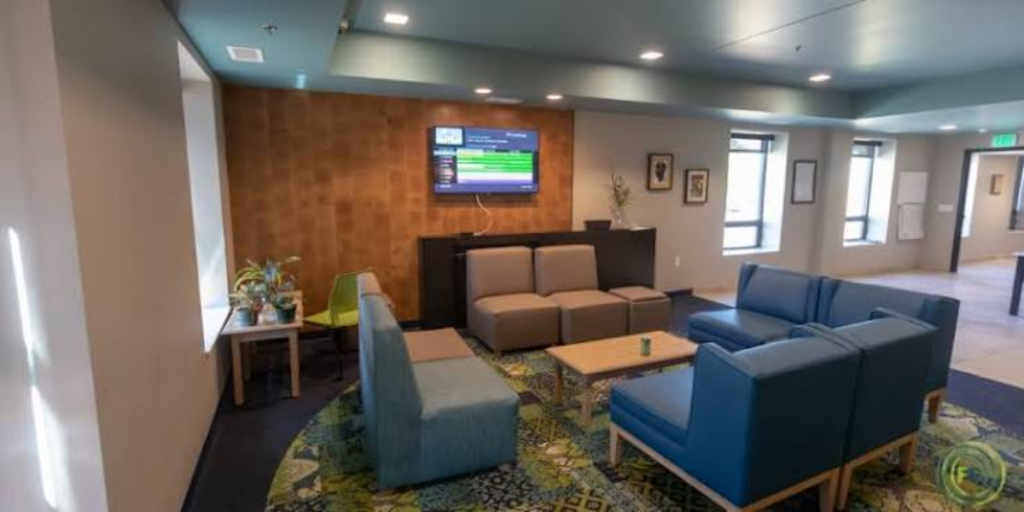
Healthcare furniture in behavioral health environments faces demands that ordinary commercial furniture was never built for. Constant daily use, frequent cleaning, patient movement, & strict safety requirements wear down furniture faster than most facility managers expect, and that’s before you even factor in how unpredictable behavioral health units can be on any given shift.
Facility managers often ask the same question during budget season: will paying more for better healthcare furniture actually reduce replacement costs down the line? It’s a fair question, & the honest answer is that lifespan isn’t determined by age alone. Materials, construction quality, the environment furniture sits in, how it’s maintained, and how hard it gets used all play a role.
High-quality healthcare furniture can last anywhere from several years to more than a decade, depending on the furniture type, materials, construction, cleaning practices, and intensity of use. In behavioral healthcare environments specifically, purpose-built furniture is designed to hold up under demanding conditions while still delivering long-term value.
How long does healthcare furniture typically last?
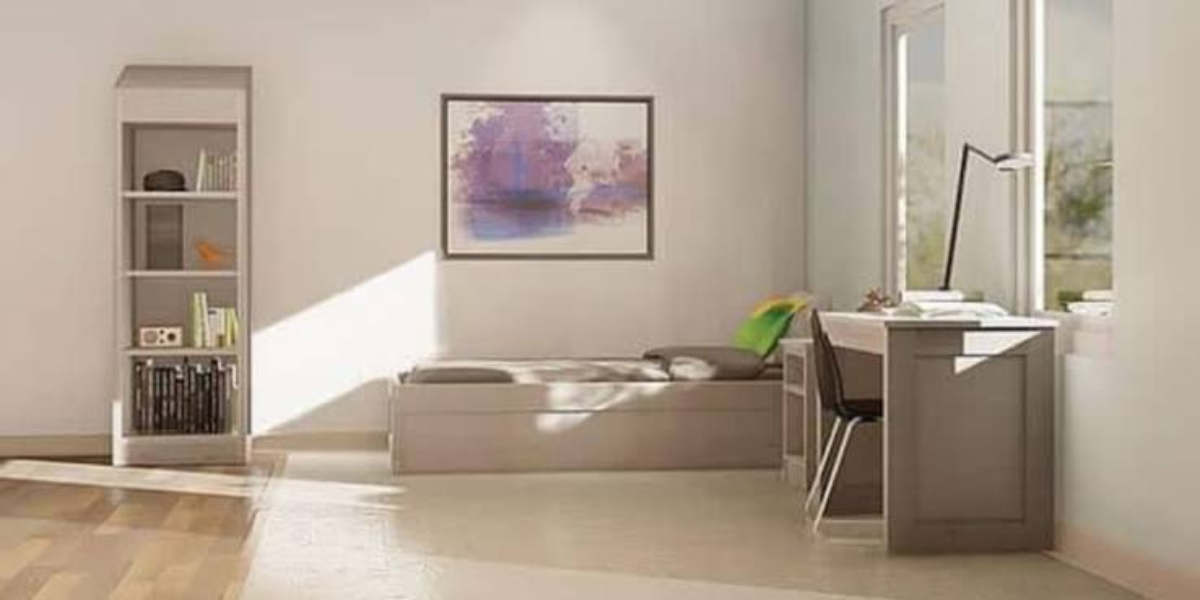
There’s no single number that applies across the board. High-quality healthcare furniture commonly supports a multi-year service life, but behavioral healthcare furniture often needs to meet a higher durability standard than general medical furniture used in, say, an outpatient clinic waiting room.
Some items need to be replaced earlier in high-acuity environments. Others, if properly maintained, continue to function much beyond their estimated lifetime. One thing to keep in mind is that the warranty duration and the actual life of the goods are two separate things. A five-year warranty doesn’t mean the furniture breaks after five years; it merely indicates that’s how long the manufacturer guarantees coverage. In practice, the lifespan is often longer than this, or, in more severe environments, shorter.
Expected lifespan based on healthcare environment
In high-acuity behavioral healthcare units, furniture deals with more frequent impact, movement, & aggressive cleaning cycles. Standard commercial-grade furniture tends to fail early here. Heavy-duty, purpose-built pieces hold up far better.
Moderate-use spaces- that’s another thing. In rooms, lounges, and dining spaces, physical stress is usually less; therefore, sturdy furniture in these locations can often last longer without needing to be replaced early.
Why does behavioral healthcare furniture experience more wear?
Behavioral health furniture isn’t just office furniture with a healthcare label slapped on it. It’s built differently because it needs to be.
Continuous daily use & high traffic wear furniture down faster than in a typical office setting. Add in frequent sanitization, exposure to hospital-grade cleaning products, and physical demands that go well beyond residential or standard commercial use, and you start to see why structural integrity and safety-focused design aren’t optional extras.
The impact of 24/7 use environments
Behavioral health facilities don’t close. Seating, tables, & patient room furniture get used around the clock by multiple people, often in ways the furniture wasn’t originally intended for. Chairs get sat in, leaned on, moved, and occasionally used in ways that test structural limits. Durable construction reduces how often facilities need repairs, and it cuts down on emergency replacements too.
Cleaning and maintenance demands
Regular cleaning is non-negotiable in these environments, and that constant exposure to disinfectants & cleaning chemicals takes a toll on materials that weren’t built to withstand them. Poor cleaning practices, ironically, can shorten furniture lifespan just as much as heavy use does. Using the incorrect cleaner on the wrong surface is a quiet but common cause of early wear.
What factors affect the lifespan of healthcare furniture?
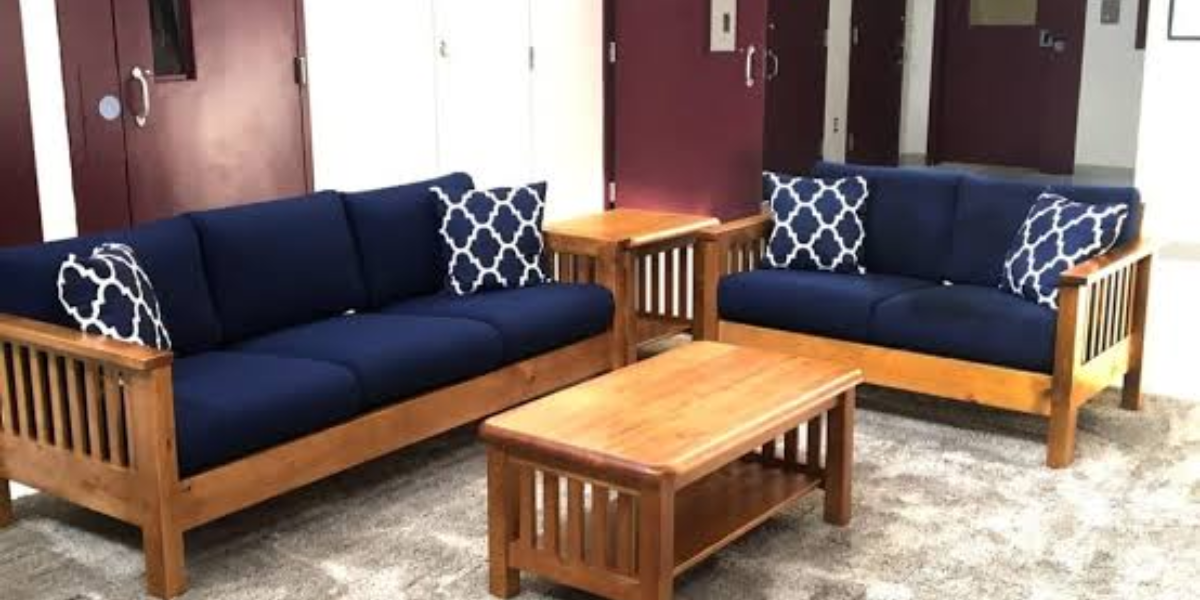
Material quality and construction
In terms of behavioral health, reinforced frames, strong construction methods & impact-resistant materials matter more than virtually anywhere else. High-pressure laminate surfaces are scratch and moisture-resistant. Rotationally molded plastic choices resist cracking under impact. Metal furniture can be quite durable if properly coated and welded. Upholstered furniture just doesn’t hold up in high-stress locations.
Furniture design and intended use.
There’s a real difference between residential-grade furniture and institutional-grade furniture, and it shows up fast in behavioral health settings. Furniture designed specifically for these environments accounts for ligature resistance, weight capacity, and cleanability in ways residential furniture never had to. Selecting the right piece for the right room function, patient room furniture, common area seating, dining furniture, or healthcare chairs isn’t a small detail. It’s the difference between furniture that lasts and furniture that needs replacing within a year.
Upholstery and surface durability
Healthcare-grade upholstery paired with high-density foam & tear-resistant materials extends the life of upholstered seating considerably. Surfaces that clean easily & resist staining reduce how often facilities need to reupholster or replace pieces entirely. Cheaper foam compresses fast under repeated use, and that’s usually the first sign a chair is nearing the end of its useful life.
How long do different types of healthcare furniture last?
Healthcare chairs and upholstered seating
Frame durability, foam quality, & upholstery performance all factor into how long a chair lasts. Common wear areas include seams, armrests, and seat cushions. Replacement is typically needed once tears appear, joints loosen, or support noticeably decreases.
Metal furniture
Metal frames are quite durable and stand up well to heavy use if protective coatings are maintained. And here are a few things to check periodically to inspect it. Loose connections Signs of corrosion Any structural problems that can impair stability.
Dining furniture
Dining furniture deals with frequent movement, so table surface durability, edge protection, and stability all matter. Wobbling or damaged edges are usually the first signs that replacement is approaching.
Patient room furniture
Bedsides, storage units, & tables in patient rooms face high-use requirements daily. Safety & cleanability aren’t just nice-to-haves here; they’re often the deciding factor in whether a piece stays in service or gets pulled.
Comparison table: healthcare furniture durability at a glance
| Furniture Type | Main Durability Factors | Common Signs of Wear |
|---|---|---|
| Healthcare Chairs | Frame, upholstery, foam quality | Tears, loose joints, reduced support |
| Upholstered Seating | Fabric, foam, cleaning practices | Compression, damage, stains |
| Metal Furniture | Frame strength, coating, hardware | Rust, bending, instability |
| Dining Furniture | Surface durability, frequent movement | Damaged edges, wobbling |
| Patient Room Furniture | Construction, safety, maintenance | Broken hardware, surface damage |
What makes healthcare furniture last longer?
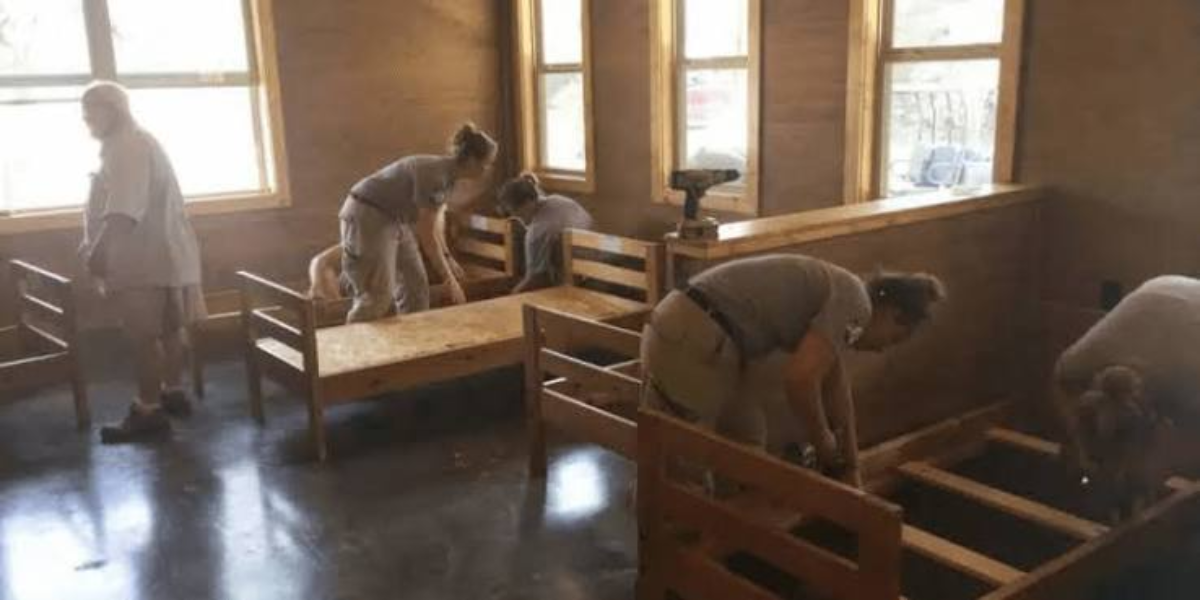
It is more important than most purchasers understand going in to choose furniture specifically intended for healthcare settings and behavioral healthcare settings in particular. Purpose-constructed Furniture is constructed with durability testing & safety considerations that are completely skipped in conventional business furniture.
Following manufacturer-approved cleaning methods, inspecting furniture regularly, & addressing minor repairs before they turn into major problems all extend service life meaningfully. And matching furniture selection with actual room usage matters too. Patient rooms need different durability than a waiting area. Dining spaces need stronger surfaces because of daily activity. Common areas often call for heavy-duty seating that can handle constant turnover.
When should healthcare furniture be replaced?
Age alone isn’t the right metric. Furniture should be replaced when it no longer meets safety expectations, when structural damage affects stability, when surfaces can’t be properly cleaned anymore, or when repairs become frequent & expensive enough that replacement makes more financial sense.
Signs your healthcare furniture has reached the end of its useful life
- Cracked frames
- Broken hardware
- Damaged upholstery
- Exposed foam
- Unstable seating
- Surfaces that are difficult to clean properly
Is higher-quality healthcare furniture worth the investment?
Lower upfront cost doesn’t always mean lower overall cost, & this is where a lot of facilities get caught out. Frequent replacement creates its own expenses, not just in purchase price but in labor, downtime, and disruption to patient care areas.
Lower-cost furniture typically means a lower initial investment, but it often requires earlier replacement and higher long-term maintenance needs.
Purpose-built healthcare furniture costs more upfront but offers better durability, holds up in demanding environments, & supports longer-term value overall.
Choosing healthcare furniture that provides long-term value
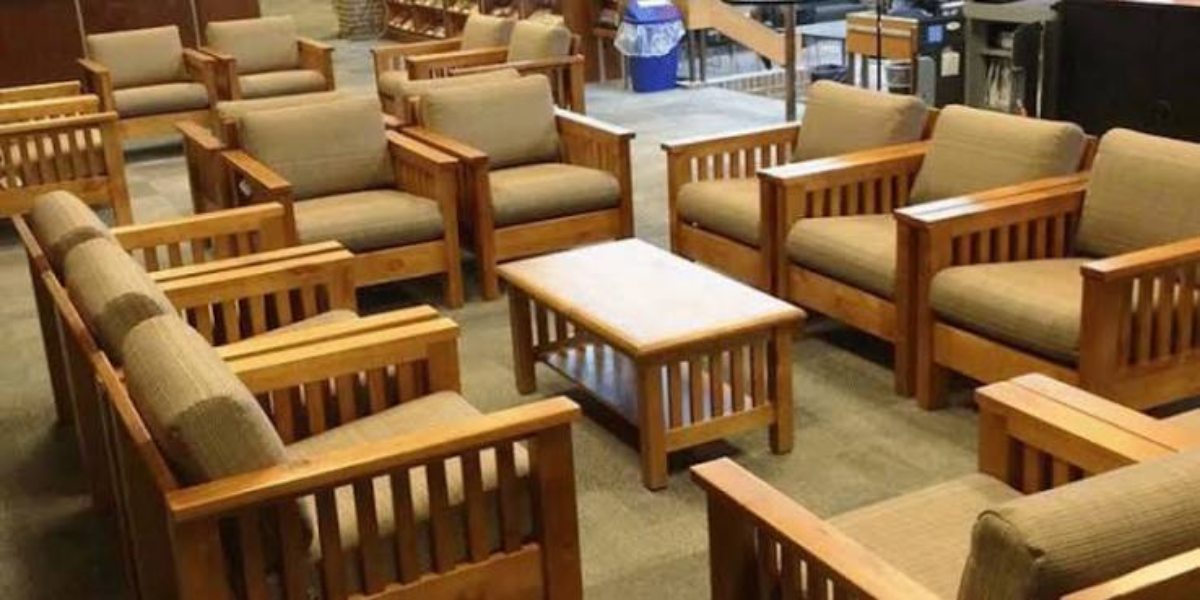
Selecting furniture based on environment requirements, materials, construction, cleaning needs, safety requirements, and expected usage sets facilities up for fewer headaches down the road. Furniture Concepts works with behavioral healthcare facilities across Ohio and beyond, offering healthcare chairs, upholstered seating, metal furniture, dining furniture, and patient room furniture built for exactly these conditions. Facility managers looking to reduce replacement frequency and get more predictable value from their furniture budget can reach out to discuss which product categories fit their specific spaces.
Conclusion
The lifespan of healthcare furniture depends on several factors, including material quality, construction, usage level, cleaning practices, & maintenance. In behavioral healthcare environments, selecting furniture designed for demanding conditions can help facilities reduce unexpected replacements and be safe and comfortable while producing functionality.
From healthcare chairs and upholstered seating to patient room furniture and dining furniture, the right products can provide lasting value when they are chosen based on the needs of the environment.
We provide durable healthcare furniture solutions designed for high-use healthcare settings. Contact us today to explore your facility needs and find furniture options built for long-term performance, reliability, and everyday use.
Frequently Asked Questions
How long does healthcare furniture usually last?
It depends on the type and how it’s used, but high-quality healthcare furniture generally lasts several years, & in lower-stress environments, well over a decade with proper maintenance.
What makes behavioral healthcare furniture different from regular furniture?
Behavioral healthcare furniture is built for 24/7 use, frequent sanitization, and higher safety standards, including reinforced construction & ligature-resistant design that regular commercial furniture doesn’t need.
How long do upholstered healthcare chairs last?
Upholstered healthcare chairs are expected to last several years, with longevity significantly depending on foam density, fabric quality, & the consistency of cleaning techniques based on manufacturer specifications.
Does metal furniture last longer than wood furniture in healthcare environments?
Yes, generally. Metal furniture with good protective coatings generally stands up better to rough handling, dampness, and cleaning chemicals than wood, which can warp or deteriorate more quickly under similar conditions.
How often should patient room furniture be replaced?
There’s no fixed timeline. Replacement should be based on condition, safety, & cleanability rather than age, though high-use patient rooms often need closer monitoring than lower-traffic spaces.
Can proper maintenance extend healthcare furniture lifespan?
Yes, significantly. Following approved cleaning methods, addressing minor damage early, & conducting regular inspections all help furniture last longer than it would under neglect.
What type of furniture is best for behavioral healthcare facilities?
Furniture intended for mental health situations typically features reinforced frames, tear-resistant upholstery & safety-conscious construction. In these demanding conditions, it’s often the best option.