










The Art of Furniture Material Selection: Creating Humanizing Environments Through Texture
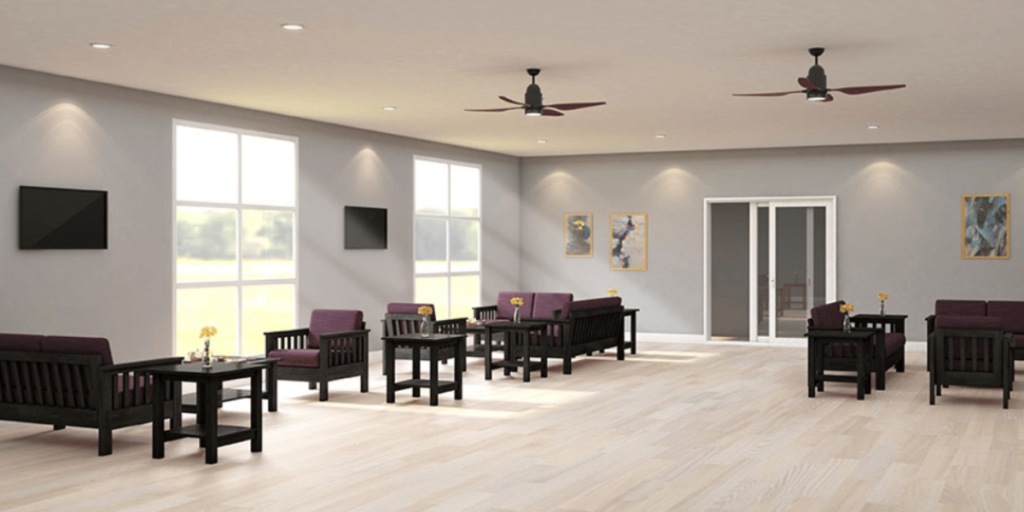
Furniture has always served a functional purpose, but today it carries a deeper responsibility. It shapes how we feel in a space. It influences comfort, focus, conversation, and even well-being. The art of furniture lies in understanding that every surface we touch and every texture we see contributes to the overall experience of a room.
Material choices are no longer made only for durability or appearance. They are made to support human connection. When designers focus on thoughtful material selection, they create environments that feel welcoming rather than sterile, layered rather than flat, and personal rather than mass-produced.
At Furniture Concepts, this blog guides how spaces are furnished. The goal is not simply to fill a room with products but to create environments where people feel comfortable, supported, and at ease.
Why Furniture Material Selection Shapes Experience

Our everyday interactions with surfaces have a greater impact on how we perceive things than we frequently realize. A substantial wood top with visible grain feels extremely different from a cold, polished table. An upholstered seat covered in soft fabric evokes a distinct emotional response compared to a stiff plastic chair.
Furniture material decisions affect more than aesthetics. They influence acoustics, maintenance, longevity, and the way light moves through a room. When furniture material is chosen carefully, it enhances both function and feeling.
Minimal interiors once dominated design trends, but many of those spaces felt impersonal. Today there is a renewed focus on comfort and depth. The art of furniture embraces materials that invite touch and create warmth.
The Role of Furniture Texture in Comfort
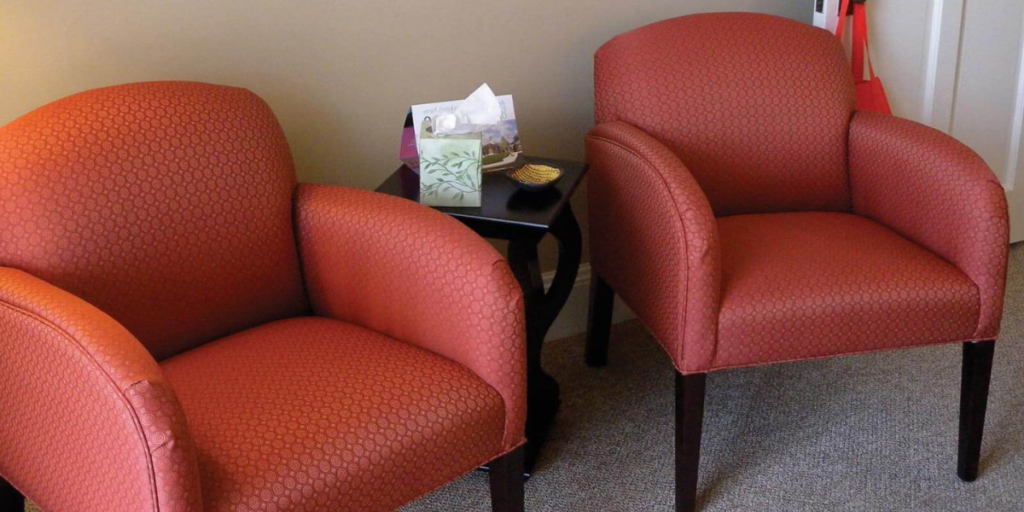
Texture has the ability to quickly change a space. Clarity is produced, and light is reflected by smooth surfaces. Textured textiles soften a room and absorb sound. Woven materials and natural textures give depth and movement.
Furniture texture helps eliminate the flatness that often exists in modern interiors. Soft boucle seating, brushed wood finishes, woven textiles, and matte metals introduce subtle variation. These details may seem small, but together they shape the atmosphere of a room.
Spaces that incorporate varied furniture texture tend to feel more balanced. When every surface is uniform, the room can feel rigid. When textures are layered thoughtfully, the environment feels inviting and lived in.
This is where the art of furniture becomes meaningful. It is not only about what we see but also what we feel when we sit, lean, or gather.
The Growing Preference for Natural Materials
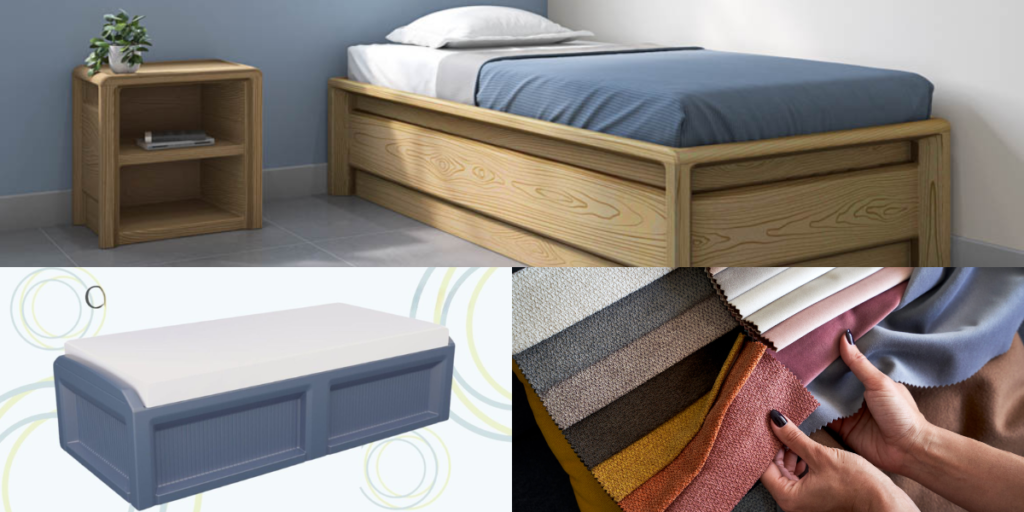
Modern home design is still influenced by organic materials. Natural textiles, wood, stone, and ceramics give furniture design a sense of authenticity. These materials are prized for their character as much as their strength.
When it comes to furniture materials, wood is still one of the most flexible options. Every species has a unique grain pattern and tone that gives desks, tables, and chairs character. Stone surfaces add minor texture differences and anchoring weight. Wool and cotton blends are examples of textiles that give softness and warmth.
Natural materials often feel more relatable because they reflect the imperfections found in nature. Those irregularities give furniture depth and individuality. The art of furniture recognizes that authenticity creates emotional connection.
Textural Contrast and Spatial Definition
Open layouts are common in both residential and commercial settings. Without walls to define areas, designers rely on furniture material and texture to create structure.
A sofa with texture can help a living room seem more like home. A table made of solid wood can help make a workstation where people can work together. Upholstered panels can help with sound quality and gently divide spaces. These choices are based on careful material selection, not on architectural obstacles.
There needs to be some contrast. Soft upholstery on sleek metal frames helps the area look more balanced. Adding some shine to matte finishes protects items from growing dull. On purpose changing the texture of the furniture in a space makes each part feel like it has a purpose.
The art of furniture involves composing these contrasts in a way that feels natural rather than forced.
Craftsmanship and Human Connection
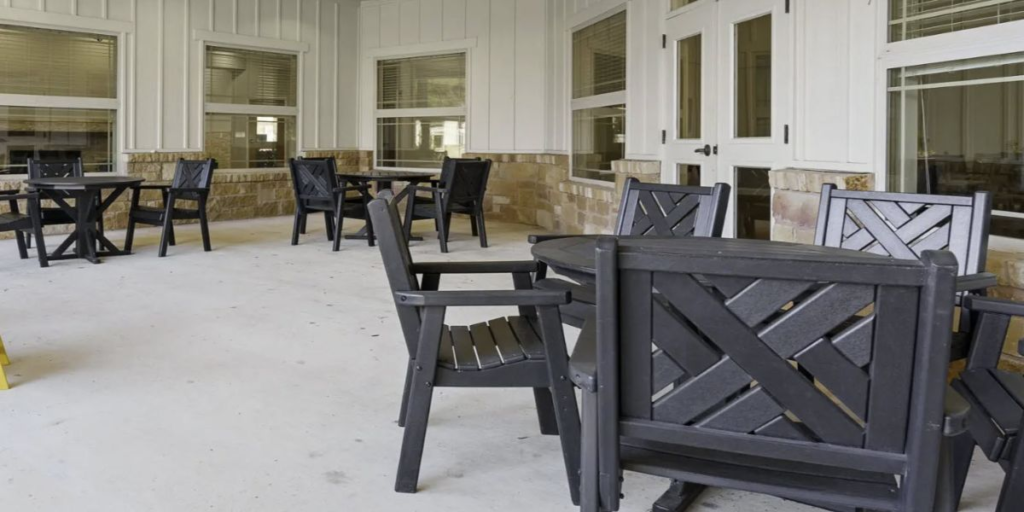
Handcrafted details are gaining appreciation. Visible joinery, carefully finished edges, and thoughtfully selected materials bring personality to furniture. These elements tell a story.
When furniture material is chosen and assembled with care, people notice. There is a difference between a surface that feels mass-produced and one that carries subtle character. Craftsmanship introduces soul into a space.
Furniture Concepts understands that durability and artistry can coexist. Quality construction combined with meaningful material selection ensures that furniture performs well while maintaining its human touch.
The art of furniture is rooted in this balance between practicality and emotional value.
Sustainability and Responsible Choices
More and more, material choices show that people care about the environment. Using sustainable wood, metals that can be recycled, and textiles that don’t release a lot of pollution makes interior spaces healthier.
A lot of eco-friendly materials also have a lot of texture in furniture. Wood that hasn’t been treated, woven natural fabrics, and stone surfaces have a tactile depth that synthetic materials frequently don’t have.
Responsible material selection supports longevity as well. Durable pieces reduce replacement frequency, minimizing waste over time. Choosing strong, sustainable furniture material is both a practical and ethical investment.
Furniture Concepts integrates long-term thinking into its approach, recognizing that well-made furniture should serve people for years while supporting responsible practices.
Key Materials That Influence Mood
Wood
Warm and grounding, wood remains central to the art of furniture. Its versatility allows it to adapt to traditional and contemporary spaces alike. Grain patterns add subtle movement and depth.
Metal
Metal introduces structure and durability. Brushed and matte finishes soften its appearance, preventing spaces from feeling too industrial.
Stone and Ceramics
These materials bring weight and permanence. Their organic variations add character while maintaining resilience.
Textiles
Upholstery choices greatly influence comfort. Performance fabrics balance softness with durability, making them ideal for both active and relaxed environments.
Each furniture material plays a specific role in shaping how a space functions and feels.
Emotional Impact of Thoughtful Material Selection
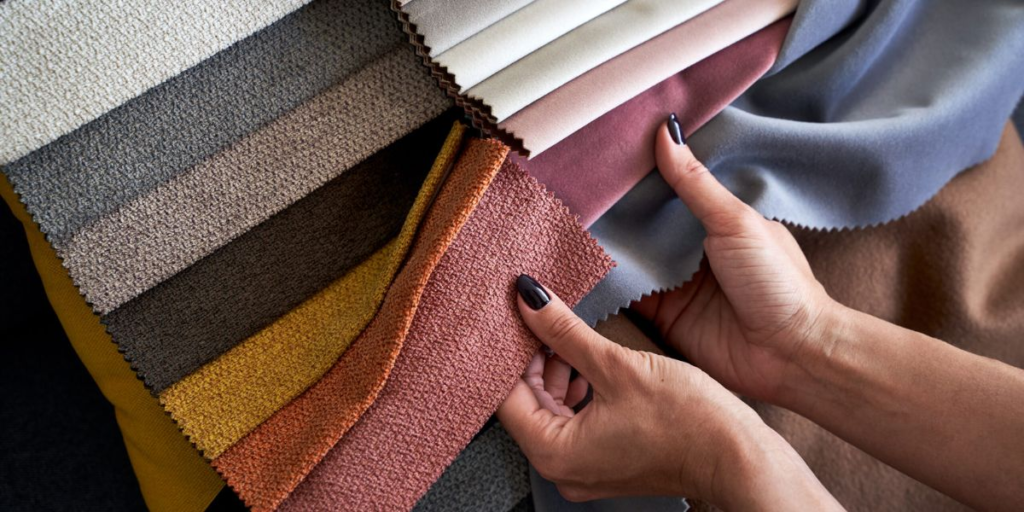
Design is not only visual. It is sensory. Hard reflective surfaces can amplify noise and create tension. Softer finishes absorb sound and introduce calm. Texture influences interaction.
Human-centered spaces rely on the art of furniture to create balance. Warm surfaces encourage gathering. Layered materials promote relaxation. Durable finishes support daily use without sacrificing comfort.
When material selection is guided by empathy rather than trends, the result is an environment that feels intentional and welcoming.
Bringing Humanizing Design Into Everyday Spaces
Creating meaningful environments does not require excess. It requires intention. Carefully selected furniture material combined with layered furniture texture can completely transform a room.
From collaborative work areas to comfortable lounges and shared community settings, the art of furniture helps shape experiences that feel authentic. Thoughtful material selection ensures that beauty, durability, and comfort coexist.
Furniture Concepts always keeps this in mind when working on a project. People should come first when it comes to furniture. When texture, workmanship, and high-quality materials come together, places become more than just useful. They stick with you.
Conclusion
Choosing the right finishes is only one part of the skill of picking out furniture materials. It’s about making spaces that show warmth, honesty, and purpose. Designers make homes that seem grounded and welcoming by using natural surfaces, balancing furniture textures, and choosing materials carefully.
Every surface has a tale to tell. Every texture changes how we see things. When you choose the right materials for your furniture, it makes your home feel more alive and interesting.
Contact us now to learn more about thoughtfully designed furniture options that put comfort and quality first.
FAQ:
Why is furniture material selection important?
Furniture material selection affects durability, comfort, acoustics, and overall atmosphere. The right materials enhance both performance and emotional experience.
How does furniture texture influence a space?
The texture of furniture gives depth and warmth. Soft textures make things more comfortable, while smooth finishes make things clearer and more balanced.
What materials are commonly used in modern furniture?
Wood, metal, stone, ceramics, and performance textiles are widely used because they combine strength with visual appeal.
How can material selection improve long-term durability?
Choosing high-quality furniture material makes it last longer, which lowers the expense of repairs and replacements over time.
What makes handcrafted furniture special?
Handcrafted furniture often features careful detailing and thoughtful finishes, adding character and authenticity to a space.