










Space-Saving Beds for Healthcare Facilities: Smart Solutions for Modern Care
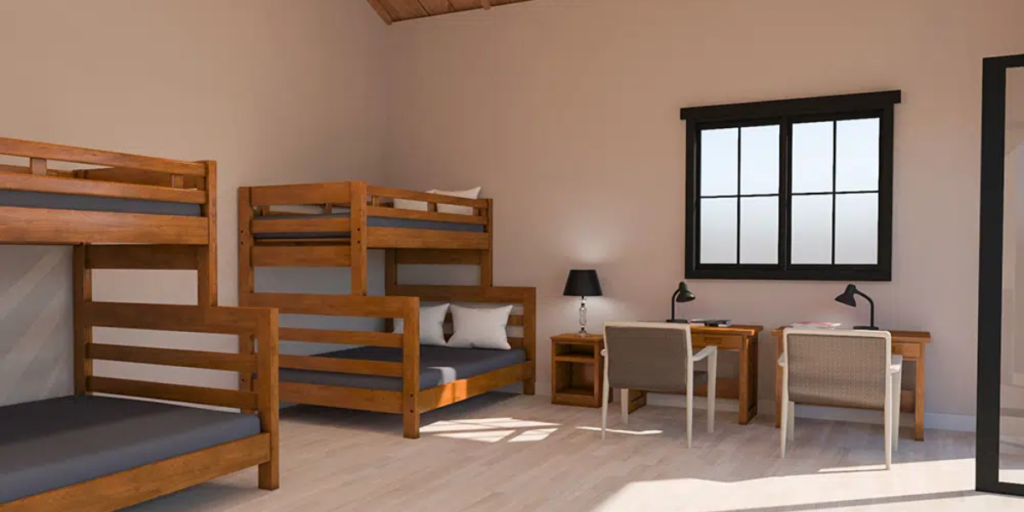
Healthcare environments are changing quickly, & every square foot inside a patient room matters. Hospitals, rehabilitation centers, behavioral care units, shelters, and assisted living communities all face the same challenge: creating comfortable spaces without overcrowding rooms. A well-designed space saving bed helps healthcare providers improve room layouts while supporting patient comfort and staff efficiency.
Modern healthcare design focuses on practical furniture that works well in compact spaces. Traditional hospital beds often take up large areas & limit movement for caregivers. Newer furniture designs solve this issue with smart layouts, adjustable frames, foldable structures, and flexible sleeping arrangements. Healthcare administrators now look for furniture that supports safety, durability, and convenience while fitting into smaller patient areas.
Many organizations are also exploring space saving bunk beds & other compact sleeping systems for shared rooms, temporary housing, and emergency medical setups. These solutions create organized environments while helping staff maintain easy access to patients.
Furniture Concepts has become a trusted name for facilities searching for durable & reliable healthcare furniture. Their product collections support healthcare teams looking for practical sleeping systems built for demanding environments.
Why Healthcare Facilities Need Space Saving Beds
Healthcare buildings are usually under stringent space constraints. Limited space is a premium in patient rooms, staff stations, rehabilitation spaces, and treatment areas. A well-chosen space saving bed can contribute to a better-organized room and a better experience for both patients and caretakers.
Improving Room Functionality
A cramped patient room is stressful and inhibits mobility. There needs to be space for health care professionals to move equipment, help patients, and respond promptly in crises. Compact bed designs provide clear passageways and boost the overall flow of the room.
Benefits include:
- Easier patient transfers
- Better access for medical staff
- Reduced room congestion
- Cleaner and more organized layouts
- Improved mobility for wheelchairs and medical carts
Supporting Patient Comfort
Patients recovering from surgery, illness, or accidents need comforting environments. Modern space saving bed alternatives generally incorporate adjustable posture, pressure-relieving support & ergonomic elements that enhance rest and recuperation.
Low-profile bed frames also help reduce fall risks, especially for elderly patients or individuals with mobility concerns.
Helping Facilities Manage Capacity
Healthcare centers frequently deal with rising patient numbers. Compact sleeping systems help facilities use available space wisely without sacrificing comfort. Shared rooms, emergency shelters & transitional care centers often rely on space saving bunk beds to increase sleeping capacity.
This approach works especially well in the following:
- Behavioral care centers
- Emergency shelters
- Rehabilitation clinics
- Temporary medical units
- Group recovery homes
Popular Space-Saving Bed Options for Modern Care Centers
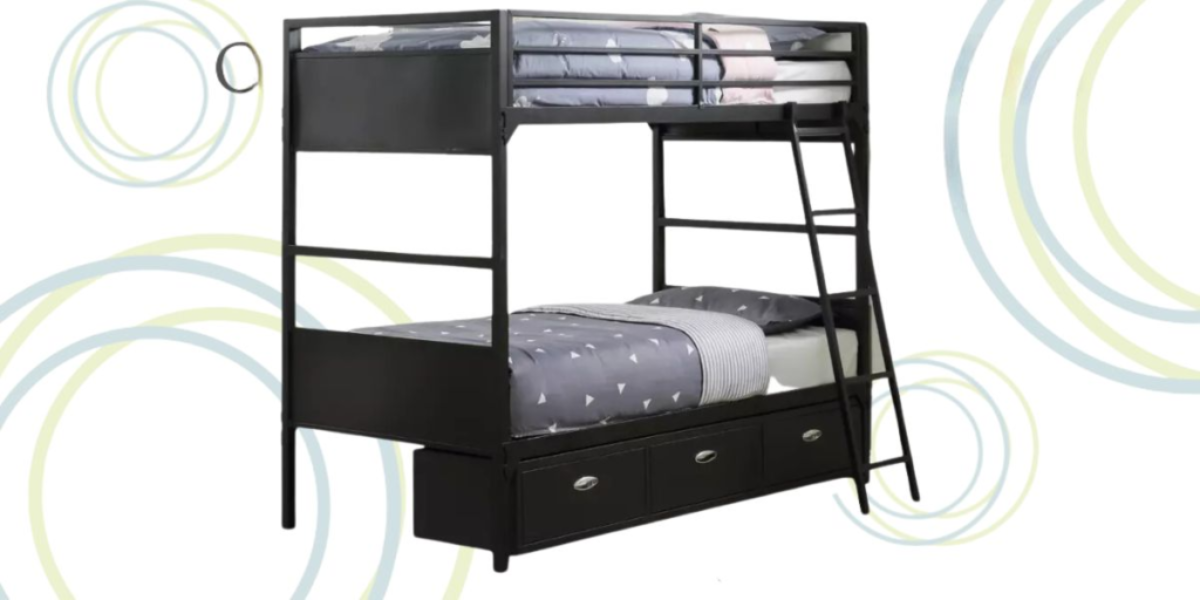
Healthcare providers have several furniture choices available depending on room size, patient needs, and facility type. Selecting the right model depends on durability, flexibility, and ease of use.
Low Hospital Beds
Low-height hospital beds sit close to the floor, helping reduce injuries caused by falls. These beds are commonly used in senior care environments & rehabilitation centers.
Key features include the following:
- Adjustable height settings
- Improved patient safety
- Easy caregiver access
- Better mobility support
- Compact room fit
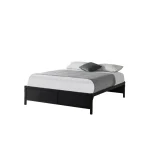
A low-profile space saving bed also creates a cleaner and less crowded appearance inside patient rooms.
Adjustable Electric Beds
Hospital electric beds are more and more widespread because they make patients feel comfortable and make it easier for caregivers to perform daily chores in an efficient way. With easy controls, these systems allow patients to raise and lower various elements of the bed.
Common features include:
- Head and foot adjustment
- Hi-low positioning
- Pressure management support
- Electronic controls
- Easy patient positioning
Many modern bed facilities rely on adjustable beds because they improve comfort while reducing physical strain on healthcare workers.
Rotating and Pivot Beds
Beds on wheels are suitable for patients requiring aid with mobility. These beds convert to upright positions to allow caregivers to securely help patients move.
Advantages include:
- Easier patient movement
- Reduced caregiver strain
- Better accessibility
- Improved room efficiency
- Comfortable positioning support
This type of space saving bed works well in rehabilitation environments and long-term care centers.
Space Saving Bunk Beds
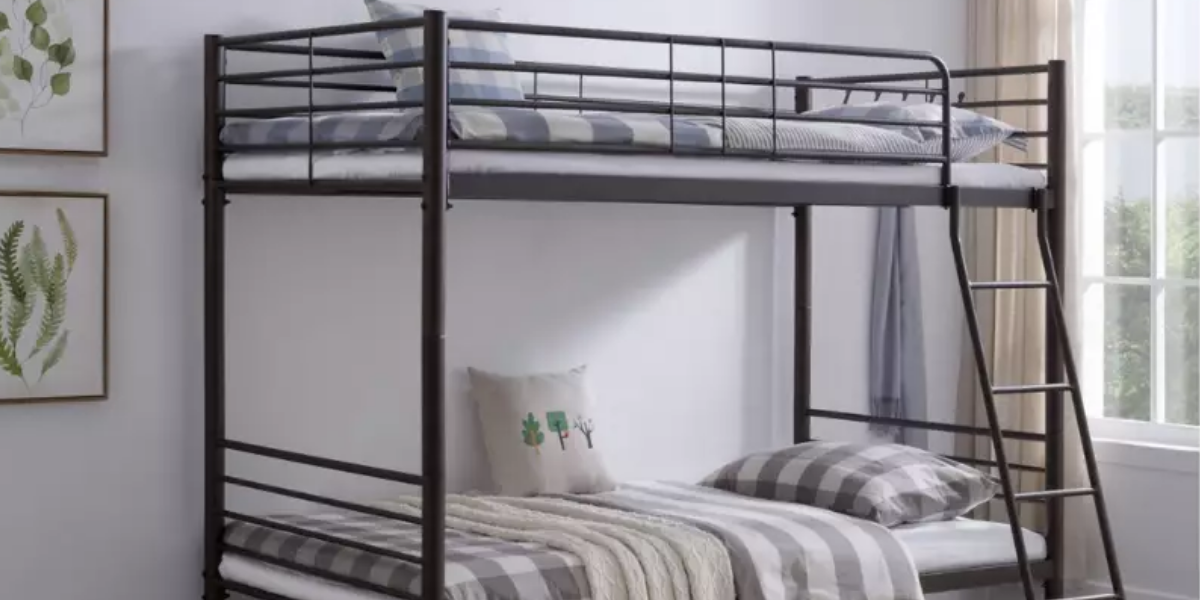
Shared sleeping situations typically necessitate sensible layouts. Bunk beds save space, allowing healthcare institutions to maximize sleeping capacity & keep rooms orderly.
These systems are commonly deployed in behavioral healthcare contexts, shelters and temporary housing centers because they facilitate durability and efficient space design.
Furniture Concepts offers durable metal bunk systems designed for demanding healthcare applications. Their products support safety, strength, and long-term performance.
Features That Matter Most in Healthcare Bed Facilities
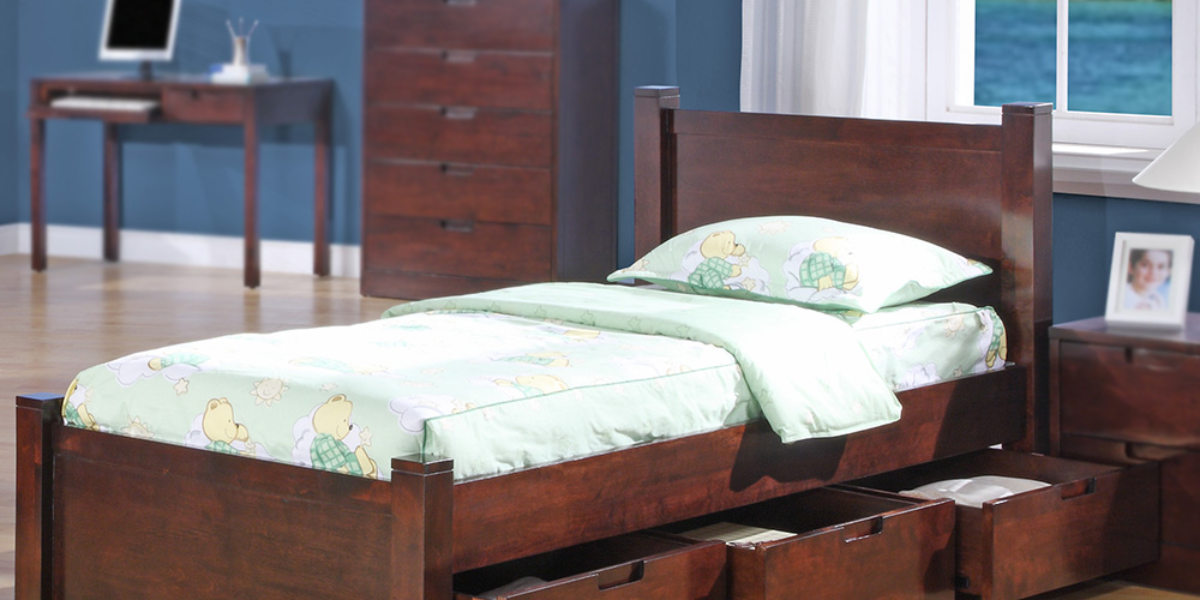
Healthcare furniture takes a beating daily from patients, caretakers & medical equipment. Facilities want products they can trust to ensure safety & longevity.
Durable Construction
Heavy-duty steel frames remain one of the most reliable materials for healthcare furniture. Durable frames handle constant use while resisting damage over time.
Strong materials help:
- Extend furniture lifespan
- Reduce repair costs
- Improve patient safety
- Maintain structural stability
Reliable bed facilities depend on furniture that performs well under constant pressure.
Easy Cleaning and Maintenance
Healthcare environments require strict hygiene standards. Beds with smooth surfaces & minimal gaps simplify cleaning & reduce bacteria buildup.
Important maintenance features include:
- Scratch-resistant surfaces
- Moisture-resistant coatings
- Easy-to-clean frames
- Durable mattress platforms
A well-designed space saving bed should support cleanliness without adding extra maintenance work for staff.
Flexible Room Integration
Healthcare centers often redesign patient rooms based on changing needs. Flexible furniture allows administrators to rearrange spaces quickly.
Popular space saving bed options include:
- Foldable frames
- Stackable systems
- Expandable widths
- Mobile bed designs
These features support better room management in busy healthcare environments.
How Space Saving Beds Improve Staff Efficiency
Healthcare workers move quickly throughout the day, and furniture design directly affects their workflow. A crowded room slows response times & creates unnecessary challenges for caregivers.
Better Accessibility for Caregivers
Compact bed systems create extra room for medical staff to assist patients safely. Staff members can move equipment easily & respond faster during emergencies.
Benefits include:
- Faster patient access
- Improved equipment movement
- Safer lifting support
- Reduced physical strain
- Better workflow efficiency
Healthcare providers appreciate how a well-designed space saving bed supports smoother daily operations.
Reduced Clutter in Shared Rooms
Shared patient rooms often become crowded with furniture & medical supplies. Compact layouts help facilities maintain cleaner spaces while improving patient comfort.
This is one reason many organizations choose space saving bunk beds for group healthcare environments.
Improved Safety Standards
Healthcare administrators prioritize patient safety in every area of facility design. Compact furniture improves visibility & reduces tripping hazards caused by overcrowded rooms.
Many modern bed facilities now include beds with the following:
- Built-in alarms
- Weight monitoring systems
- Locking wheels
- Adjustable side rails
These features create safer care environments for both patients & staff.
Choosing the Right Space Saving Bed for Your Facility
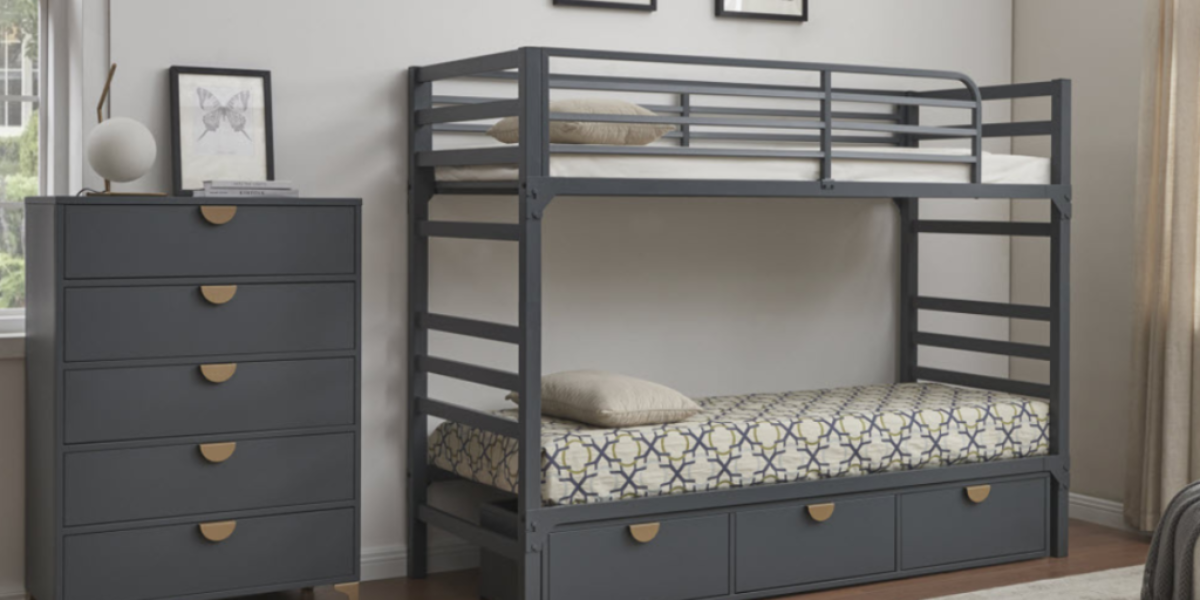
Choosing healthcare furnishings needs a lot of planning. Functionality is a major consideration for decision-makers when choosing furniture for their institution. Each facility has various patient needs and room layouts.
Consider Your Facility Type
Different healthcare settings require different sleeping systems.
Examples include:
- Rehabilitation centers need adjustable beds
- Shelters often use space saving bunk beds
- Assisted living centers prefer low-height beds.
- Behavioral units require durable metal frames.
The right space saving bed options depend on the daily demands of the environment.
Evaluate Patient Needs
Patient age, mobility level, and medical condition all influence bed selection. Facilities caring for seniors may prioritize fall prevention, while recovery clinics may focus on adjustable comfort features.
Focus on Long-Term Durability
Replacing furniture frequently creates unnecessary costs. High-quality products help healthcare centers reduce maintenance expenses while maintaining consistent performance.
Furniture Concepts provides healthcare furniture designed for long-term use in demanding settings. Their products support durability, flexibility, and patient comfort.
Why Space Saving Beds Are Valuable for Behavioral Healthcare
Behavioral healthcare centers require furniture built for safety, durability & efficient room management. Compact sleeping systems help these facilities create calm and organized environments.
Supporting Shared Living Spaces
Behavioral health centers often use shared rooms to support community-focused care models. Space saving bunk beds help maximize sleeping arrangements while preserving valuable floor space.
These systems also help staff maintain clear visibility throughout rooms.
Durable Furniture for High-Use Environments
Behavioral healthcare furniture must withstand constant daily use. Heavy-duty metal bed frames offer reliable performance & support safer environments.
Important qualities include the following:
- Tamper-resistant construction
- Strong steel frames
- Easy maintenance
- Long-lasting durability
A dependable space saving bed helps facilities maintain functional and organized patient rooms.
Better Room Organization
Cluttered spaces may increase stress for patients. Compact furniture layouts help create calmer environments that support comfort and structure.
This is why many behavioral care centers choose specialized space saving bed options designed specifically for healthcare use.
The Future of Space Saving Beds in Healthcare Facilities
Healthcare furniture continues to evolve as facilities search for smarter ways to improve patient care. Modern beds now include technology that supports safety, mobility & comfort without overwhelming room layouts.
Future trends include the following:
- Smart monitoring systems
- Integrated patient tracking
- Lightweight modular frames
- Advanced pressure relief surfaces
- Mobile compact bed systems
As healthcare design continues to change, flexible furniture solutions will remain essential for efficient patient care.
Healthcare organizations now recognize the value of investing in practical furniture that supports both staff performance & patient comfort. Compact sleeping systems allow facilities to improve room functionality while creating safer and cleaner environments.
Conclusion
A thoughtfully designed space saving bed can completely transform healthcare spaces. From rehabilitation centers to shelters and behavioral care units, compact sleeping systems help facilities create organized, comfortable & functional patient environments. Adjustable beds, rotating frames, and space saving bunk beds all support better room management while helping caregivers work efficiently.
Healthcare providers looking for durable & practical furniture solutions often turn to trusted companies like Furniture Concepts for dependable products built for demanding environments. Their healthcare furniture collections support safety, comfort & long-term value for a wide range of bed facilities.
If your organization is searching for reliable space saving bed options for healthcare environments, contact Furniture Concepts today to explore solutions designed for modern care settings.
Frequently Asked Questions
What is a space saving bed used for in healthcare facilities?
A space saving bed helps healthcare facilities maximize room space while improving patient comfort and staff mobility. These beds work well in hospitals, shelters, rehabilitation centers, and behavioral healthcare settings. They also help create cleaner and better-organized patient rooms.
Are space saving bunk beds suitable for healthcare environments?
Yes, space saving bunk beds are commonly used in shelters, behavioral healthcare centers & temporary care facilities. They provide durable sleeping arrangements while helping facilities increase room capacity. Many models are built with strong metal frames for long-term use.
What features should healthcare facilities look for in a space saving bed?
Healthcare facilities should look for adjustable settings, durable construction, easy-to-clean surfaces & safety features. Beds with mobility support and pressure relief options can improve patient care. Compact designs also help staff move freely in smaller rooms.
Why are adjustable beds important in modern bed facilities?
Adjustable beds improve patient comfort by allowing head, foot & height positioning changes. They also help caregivers assist patients safely during transfers & daily care routines. Many healthcare facilities prefer electric adjustable beds for better convenience.
How do space saving bed options improve patient room organization?
Space saving bed options reduce clutter and create better movement within patient rooms. Compact layouts allow medical equipment and staff to move comfortably around patients. This setup supports cleaner, safer & more functional healthcare spaces.