









Why Healthcare Facilities Are Choosing Wood Furniture for Patient Spaces
Healthcare environments are evolving beyond clinical functionality to prioritize comfort, healing, & patient satisfaction. Furniture has become a key player in defining these experiences. Many hospitals, clinics, and senior care facilities need furnishings that are durable, hygienic, & safe without creating a cold, institutional atmosphere. Modern wood furniture offers a practical solution by combining healthcare-grade performance with a warm, welcoming appearance.
Healthcare facilities are choosing wood furniture because it combines a home-like aesthetic with commercial durability, healthcare-grade cleanability & patient-centered design that enhances both comfort and operational efficiency. Over the past few years, the shift toward hospitality-inspired spaces has proven that clinical spaces do not have to feel sterile to stay clean.
Why More Healthcare Facilities Are Choosing Wood Furniture
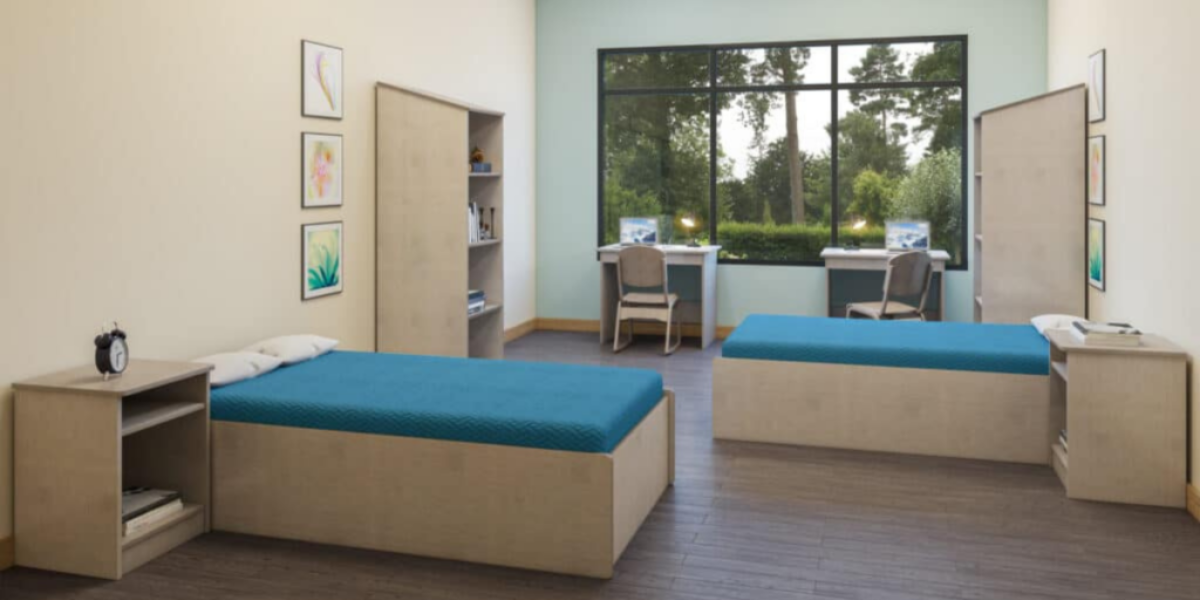
For decades, the standard choice for medical environments was metal & plastic. While those materials felt sterile, they also looked the part, creating an intimidating environment that often increased patient anxiety. Today, procurement managers and healthcare interior designers are replacing institutional-looking furniture with warmer, residential-inspired designs.
The change is driven by a growing focus on the patient experience. Hospitals are no longer viewed merely as processing centers for acute care; they are healing environments. When a patient room feels more like a bedroom & less like an industrial lab, it directly influences how a patient perceives their quality of care.
How Wood Furniture Creates Better Patient Spaces
Human beings respond differently to natural textures. Integrating elements that mirror the outside world helps bridge the gap between necessary medical intervention & personal comfort.
A More Comfortable and Welcoming Patient Room
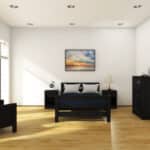
A modern patient room must accommodate the medical needs of the individual while supporting the emotional needs of visiting family members and caregivers. Wood tones break up the monochrome look of medical equipment. This simple visual shift reduces the clinical feel of healthcare environments, establishing a calming, home-like atmosphere. When family members feel comfortable sitting in a room for hours, they can provide better emotional support to the patient, which eases the burden on nursing staff.
The Benefits of Biophilic Design in Healthcare
Biophilic design is the act of creating a link between the building occupants and nature. Research linking wood interiors with lower cortisol levels and improved emotional well-being highlights why natural materials reduce stress & anxiety. Patients often associate natural materials with comfort, safety, & quality care. When people see natural wood grain instead of cold steel, their blood pressure & heart rates show measurable recovery improvements. It turns out that supporting recovery through thoughtful environmental design is grounded in biology, not just aesthetics.
Key Takeaway
Wood furniture provides the ideal balance of warmth, performance, hygiene, and longevity, making it a smart investment for healthcare facilities focused on patient-centered care.
Hygiene and Infection Control: Can Wood Furniture Meet Healthcare Standards?
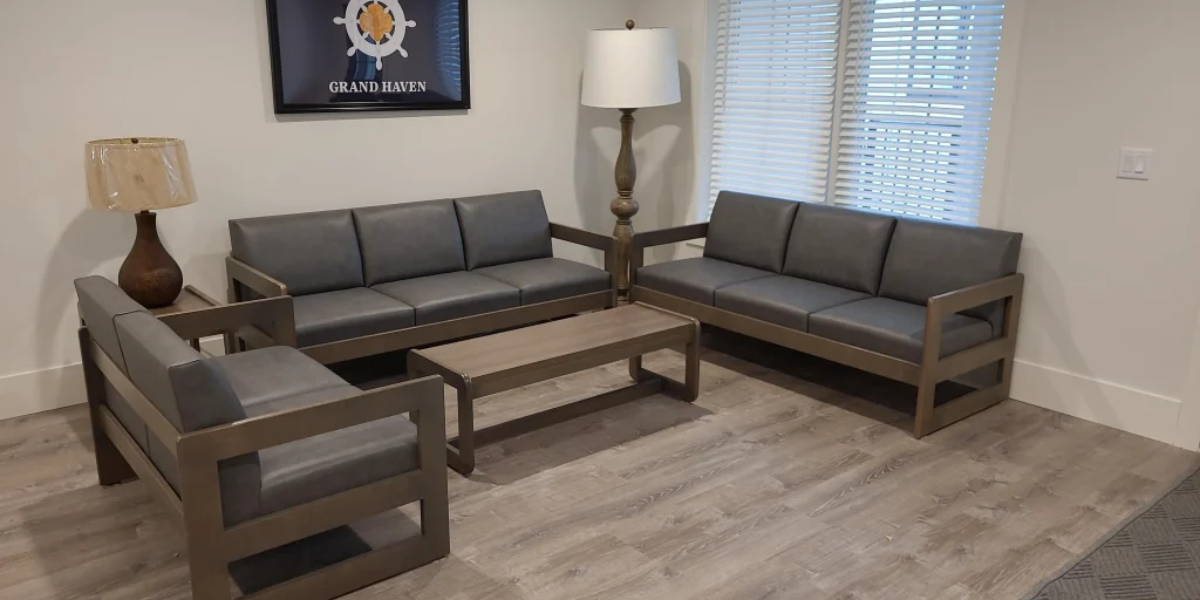
The most common question surrounding wood in medical spaces is simple: Is it hygienic enough? Historically, untreated wood was avoided because porous surfaces can harbor bacteria. However, manufacturing innovations have completely changed the conversation.
| Material Type | Surface Porosity | Disinfectant Compatibility | Visual Impact |
|---|---|---|---|
| Untreated Wood | High (Porous) | Poor (Absorbs liquids) | Warm, but impractical |
| Standard Retail Wood | Medium | Low (Chemicals strip finish) | Residential, wears fast |
| Healthcare-Grade Wood | Zero (Sealed) | Excellent (Hospital disinfectants) | Warm, welcoming, durable |
| Metal / Plastic | Zero | Excellent | Cold, institutional |
Healthcare-Grade Finishes for Easy Cleaning
Modern healthcare wood furniture relies on advanced chemistry. Commercial-grade polyurethane coatings form an impermeable barrier over the wood. These moisture-resistant & non-porous finishes ensure that moisture, blood, and bodily fluids cannot penetrate the material. Furthermore, these surfaces are engineered for compatibility with daily hospital cleaning and disinfecting protocols, including harsh bleach and ammonia solutions.
Understanding Wood's Natural Antibacterial Properties
Interestingly, studies comparing wood and synthetic materials show that certain hardwoods possess natural antimicrobial characteristics that inhibit bacterial growth over time. However, the real safety lies in the difference between untreated wood & healthcare-grade finished wood. Proper surface treatment ensures the wood cannot trap pathogens, allowing environmental services teams to wipe down surfaces as quickly & effectively as they would plastic or metal.
Durability That Supports Long-Term Healthcare Operations
A piece of furniture in a hospital or rehabilitation center faces more abuse in a month than residential furniture experiences in a decade. Choosing wood is an investment in structural longevity.
Built for High-Traffic Healthcare Environments
Contract-grade wood furniture utilizes commercial-grade hardwood construction, such as solid oak, maple, or beech, put together with heavy-duty mortise and tenon joinery. This design ensures exceptional resistance to scratches, impacts, stains, and moisture. Because it is designed for continuous daily use, it withstands the constant bumping of wheel chairs, IV poles, and mobile carts without cracking or chipping.
Lower Lifecycle Costs
While the upfront cost of premium wood furnishings might be higher than basic molded plastic, the long-term value for healthcare facilities is significant. Wood offers reduced maintenance requirements & vastly longer replacement cycles. If a synthetic chair cracks, it must be thrown away. If a premium wood chair suffers a deep scratch, it can often be touched up or refinished on-site, lowering overall lifecycle expenses.
Where Wood Furniture Fits Throughout Healthcare Facilities
Wood furniture can be integrated across almost every zone of a medical campus to create a cohesive, reassuring aesthetic.
Patient Rooms
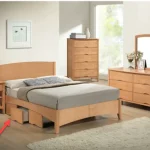
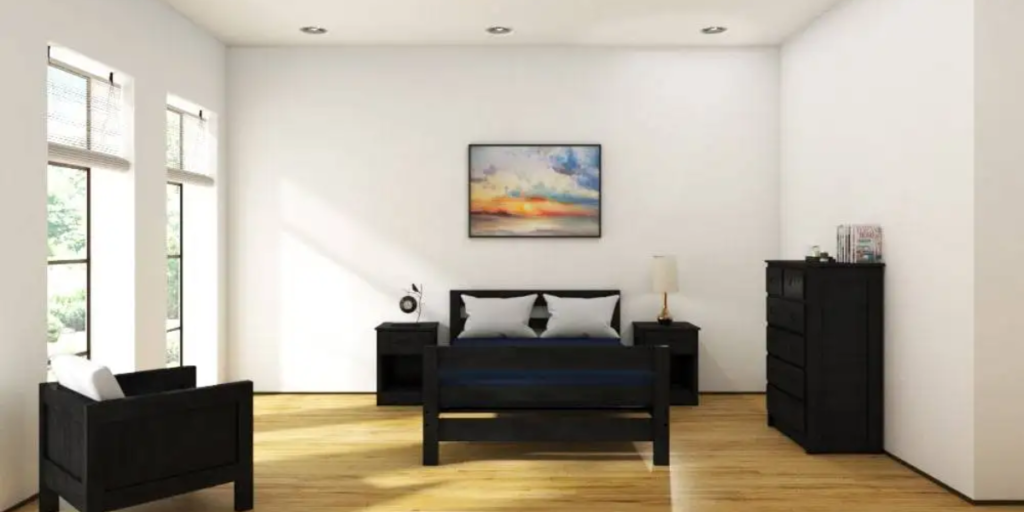
In the primary patient room, wood can be used for bedside furniture, wardrobes, overbed tables, & patient seating. These pieces provide vital storage for personal belongings, assisting patients to retain a sense of dignity and normality during their stay.
Waiting Areas and Family Spaces
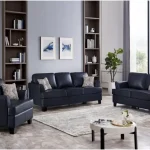
Waiting rooms are notorious for high anxiety. Introducing comfortable visitor seating with wood frames & welcoming reception environments can lower stress levels. Durable wood lounge chairs provide stable armrests that assist elderly visitors in standing up safely.
Dining and Community Areas
A solid wood dining table is a central focus for social gatherings in common areas. Pair them with a matching set of wood dining chairs and you have an atmosphere that looks more like a fine dining restaurant than an institution. This is valuable in senior care, rehab, and assisted living eating settings where community participation is part of the therapy.
Choosing the Right Furniture for Different Healthcare Settings
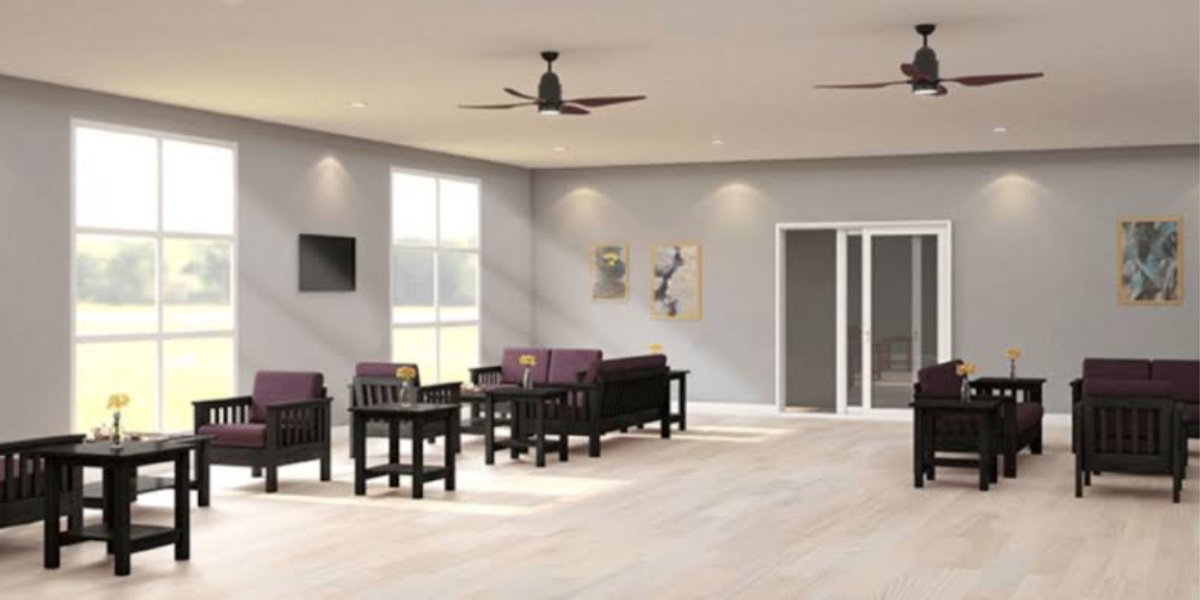
Not all healthcare environments have the same safety requirements. Matching the furniture to the specific patient population is essential.
Standard Healthcare Furniture vs. Ligature-Resistant Furniture
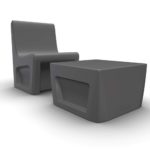
Standard contract wood furniture works wonderfully in the general medical wards. Behavioral health centers require furniture that is designed to avoid self-harm. This is when ligature-resistant furniture is necessary. These unique wood parts prevent open gaps, catch points & exposed hardware so joints are totally encased and weighted so they cannot be weaponized or used to attach lines.
Key Features to Evaluate Before Purchasing
When reviewing options, use this checklist to guide your procurement process:
- Durability: Is the frame constructed from solid hardwood with reinforced joints?
- Safety: Are the corners rounded to prevent injury during slips or falls?
- Ease of Maintenance: Does the finish withstand hospital-grade chemical disinfectants?
- Design Flexibility: Can the fabrics and wood stains be customized to match your facility's palette?
- Manufacturer Expertise: Does the builder understand healthcare regulations and performance standards?
Sustainability and Long-Term Value in Healthcare Furniture
Modern healthcare organizations are deeply committed to reducing their carbon footprint. Choosing responsibly sourced wood helps facilities meet their green building goals. Wood is a carbon-sequestering renewable resource and, as such, a more sustainable solution than petroleum-based plastics or high-emission metal manufacturing. Because of its longer product lifespan, it results in reduced replacement waste, keeping broken synthetic items out of landfills and supporting sustainable healthcare design initiatives over time.
Why Choose Furniture Concepts for Healthcare Wood Furniture?
Finding the ideal balance between clinical utility and aesthetic warmth requires working with a specialist who understands the unique demands of medical environments.
Designed Specifically for Healthcare Environments
Furniture Concepts manufactures commercial-grade wood furniture for hospitals, clinics, behavioral health institutes, rehabilitation centers, and senior living homes. Each piece mixes beauty, durability, and utility, giving your environment a human feel without sacrificing performance.
Complete Furniture Solutions for Every Patient Space
From a small clinic to a whole hospital wing, we offer complete solutions for patient rooms, waiting areas, lounges, and eating spaces. Our portfolio comprises strong wood dining chairs, sturdy wood dining tables, cozy lounge seats & safe storage cabinets. We also produce specific ligature-resistant furniture for behavioral health applications, with an emphasis on safety.
Quality, Durability, and Customization
Our furniture is built with professional-grade and easy-to-maintain coatings that can endure severe cleaning methods. Offering a wide range of styles, finishes & configurations, we give solutions designed for varied healthcare settings to help you create rooms that actually heal.
Conclusion
Healthcare furniture has a significant impact on the patient experience, enabling staff efficiency and establishing conditions conducive to healing. As healthcare design continues to change, wood furniture offers a natural solution, providing a combination of warmth, durability, hygiene, and long-term value that is frequently difficult to achieve with standard institutional materials.
Wood furniture that meets healthcare-grade standards delivers functional benefits, from making a patient room more inviting to serving as waiting areas, dining spaces, and behavioral health environments, all without compromising safety or performance. When properly executed and developed for commercial healthcare environments, it may handle the stringent requirements of everyday clinical operations while helping facilities build settings where patients, families, and caregivers feel more comfortable.
The first step to choosing the proper healthcare furniture is choosing the right goods for your facility’s needs, whether it’s robust wood dining chairs and wood dining tables for community spaces or specialist ligature-resistant furniture for behavioral health settings.
Furniture Concepts offers well-designed healthcare furniture solutions that are made for demanding conditions and support patient-centered care. Whether you are planning a remodel, an expansion of an existing facility, or a new healthcare space, investing in excellent wood furniture may help you create comfortable, practical surroundings that benefit patients and healthcare staff for years to come.
Frequently Asked Questions
Why are healthcare facilities choosing wood furniture for patient spaces?
Facilities choose wood because it reduces the cold, institutional feel of traditional medical spaces. It introduces biophilic elements that lower patient stress while offering the structural durability & cleanability required for high-traffic commercial environments.
Is wood furniture hygienic enough for hospitals?
Yes, provided it features a healthcare-grade finish. Modern wood furniture for medical use is sealed with non-porous, moisture-resistant polyurethane coatings. This allows environmental services teams to clean and disinfect the surfaces with standard hospital-grade chemicals without damaging the wood.
How does wood furniture improve the patient room experience?
Wood furniture softens the visual landscape of a medical room, making it feel more like a home or hotel. This helps reduce patient anxiety, lowers cortisol levels, and creates a more comfortable environment for family members who stay to support the patient.
What is ligature-resistant furniture, and when is it needed?
This refers to specialized furniture designed for behavioral health & psychiatric settings. It is engineered without anchor points, loops, or sharp edges to eliminate self-harm risks. These pieces feature enclosed bases, tamper-resistant fasteners, & heavy weights to maximize safety.
What types of wood furniture are commonly used in healthcare facilities?
Common pieces include bedside tables, wardrobes, and accent seating in patient rooms; durable wood dining table & wood dining chair sets in community areas; & sturdy lounge seating & reception desks in lobbies & waiting zones.
What should healthcare facilities consider before buying wood furniture?
Procurement teams should verify that the furniture uses solid hardwood construction, features rounded safety edges, utilizes a non-porous finish compatible with hospital disinfectants, & comes from a manufacturer experienced in contract healthcare standards.