








How to Choose Behavioral Health Beds for Safety, Durability, and Comfort
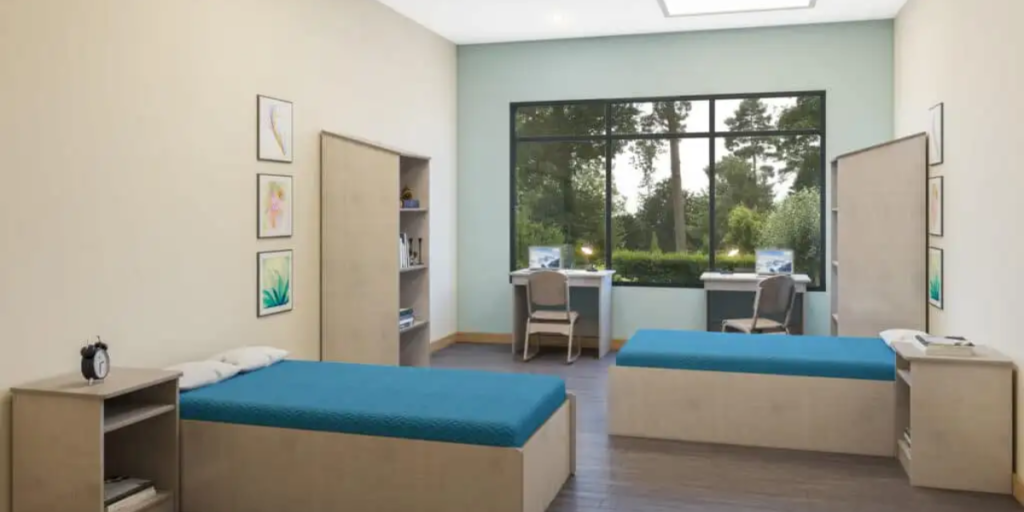
In behavioral health environments, every piece of furniture plays a role in creating a safer space for patients and caregivers. A bed isn’t a small purchase decision here. It has to hold up under continuous use, meet strict safety standards, & still feel like something a person can rest in during a difficult time. That balance is harder to hit than it sounds, which is exactly why behavioral health beds exist as their own category of furniture, separate from general medical or dorm-style beds.
Facility managers shopping for behavioral health furniture often run into the same problem: too many options claim to be “safe” without explaining what that actually means in practice. This guide breaks down what to look for, why it matters, and how to avoid some of the more common purchasing mistakes we see facilities make.
Behavioral health beds should combine ligature-resistant safety features, durable construction, easy maintenance, and patient-focused comfort. The right bed helps facilities create safer environments while supporting long-term reliability and quality care.
What makes behavioral health beds different from standard healthcare beds?
Standard hospital beds are built for clinical function first. Adjustable rails, mechanical components, and accessible hardware are all normal in a general medical setting and useful there. In a behavioral health unit, those same features can introduce risk.
Purpose-built behavioral health beds are designed around a different set of priorities:
- Reducing safety risks tied to attachment points & exposed hardware
- Preventing tampering or dismantling during unsupervised time
- Supporting continuous, round-the-clock use without breaking down
- Creating an environment that still feels comfortable, not clinical or punitive
Where behavioral health beds are commonly used
You’ll find these beds in psychiatric units, inpatient behavioral health units, mental health treatment centers, residential treatment facilities, crisis stabilization centers, & correctional healthcare settings. Each of these environments has its own risk profile, but the underlying need is the same: furniture that won’t become a liability.
| Standard Healthcare Bed | Behavioral Health Bed |
|---|---|
| Designed mainly for medical care | Designed for safety-focused environments |
| May include accessible components | Uses secure and tamper-resistant features |
| Focuses on clinical function | Balances safety, durability, and comfort |
Prioritize safety features when selecting behavioral health beds.
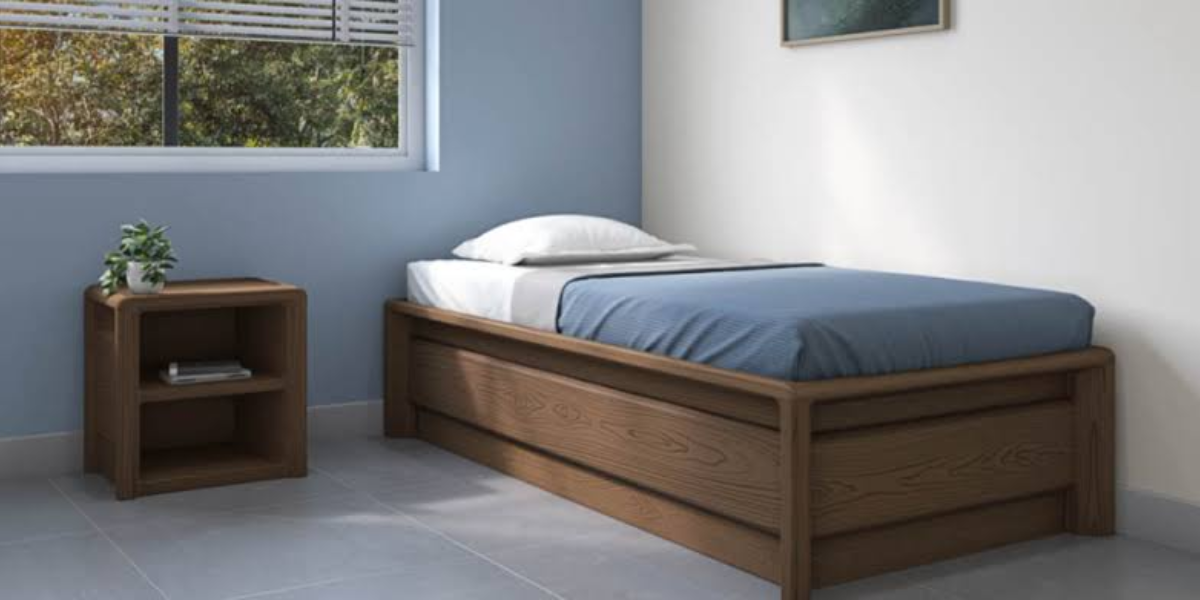
Safety comes first, always. Everything else-comfort, aesthetics, even price-gets weighed against how well a bed protects patients and supports caregivers doing their jobs.
Choose ligature-resistant designs.
Ligature-resistant construction is the single most important safety consideration in this category. The goal is to reduce potential attachment points wherever possible, which usually means:
- Smooth, continuous surfaces with no hard edges
- Rounded corners instead of sharp angles
- Sloped or enclosed frame designs
- Minimal exposed hardware or fasteners
Fewer gaps, protrusions & detachable pieces in a bed actually cut down on concerns during patient care. It’s a little design difference on paper, but it impacts the way a room works on a daily basis.
Look for secure and tamper-resistant construction.
It’s not only about ligature resistance; it’s about the hardware. Hide or cover fasteners, reinforce joints, and overall make the building hard to disassemble. Exposed screws, bolts, or trim pieces may seem trivial but can become safety issues rapidly in a high-risk environment.
Consider stability and movement prevention.
Heavy-duty platform designs help keep beds anchored & stable. Some facilities opt for weighted or fixed configurations to reduce unwanted movement entirely. Stability isn’t just about safety on paper either. Staff notice it. A bed that doesn’t shift or wobble builds a kind of confidence that’s hard to quantify but easy to feel during a shift.
Evaluate durability for 24/7 behavioral healthcare environments.
Behavioral health beds get used constantly, often without the gentle handling you’d expect in a residential setting. Facilities that focus only on upfront cost tend to pay more later in repairs, replacements, and downtime.
Materials that support long-term performance
Look for heavy-duty steel construction, solid-core composites, and one-piece molded components whenever possible. Finishes should stand up to frequent usage without chipping or wearing thin in the first year or two.
Choose beds designed for easy cleaning and maintenance.
Infection control is non-negotiable in these settings. Beds need non-porous, seamless surfaces that resist moisture & hold up to repeated disinfecting. A finish that looks great on day one but degrades under hospital-grade cleaning chemicals isn’t actually a good value, no matter what the price tag says.
Avoid components that increase repair or safety risks.
Easily removable parts, fragile trim pieces, & exposed hardware all raise the odds of something breaking, or worse, becoming a safety issue. Fewer moving parts generally means fewer problems down the line.
Balance safety with patient comfort and therapeutic design
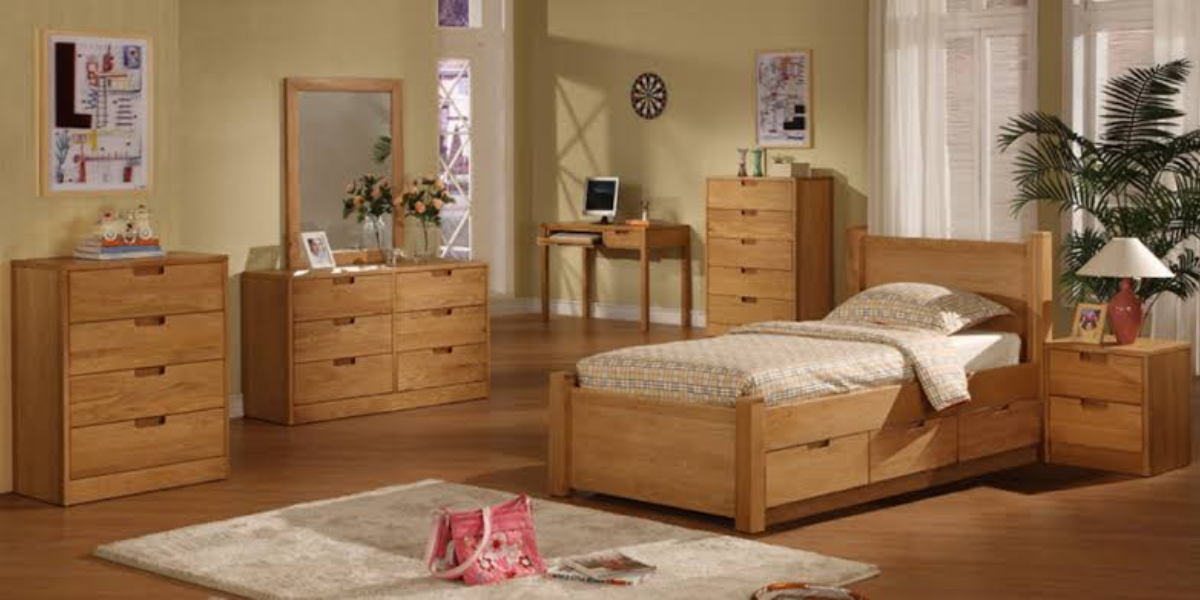
Here’s something that gets overlooked more than it should: a safe environment doesn’t have to feel cold or institutional. Furniture choices shape how patients experience a space, & that matters for recovery.
Use trauma-informed design principles.
Warm finishes, wood-grain textures, and neutral tones go a long way toward softening a room that could otherwise feel sterile. This isn’t decoration for its own sake. Calmer surroundings tend to support calmer behavior, which benefits patients and staff alike.
Select appropriate mattress solutions.
Mattresses need to match the same safety & hygiene standards as the bed frame. Fluid-resistant surfaces, sealed seams, and zipperless designs are worth prioritizing, along with materials that can withstand frequent, thorough cleaning without breaking down.
Consider ergonomic features for patients and staff.
Low-height positioning, support for safe patient transfers, & thoughtful workflow design all make a real difference for caregivers. These adjustments should happen without introducing exposed mechanisms or extra points of risk.
How to choose the right behavioral health furniture solution for your facility
Choosing behavioral health furniture means thinking beyond the bed itself. It’s about how that piece fits into the daily rhythm of the unit.
Questions to ask before purchasing
- Does the bed meet current safety requirements for your facility type?
- Is the construction suitable for continuous, 24/7 use?
- How easy is it to clean & maintain over time?
- Does the design support patient dignity, not just containment?
- Will it actually improve staff efficiency or add friction?
Compare features based on facility priorities.
| Facility Priority | Features to Evaluate |
|---|---|
| Patient Safety | Ligature-resistant design, secure construction |
| Durability | Heavy-duty materials, reinforced structure |
| Maintenance | Easy-clean surfaces, low repair needs |
| Comfort | Supportive mattress options, welcoming design |
| Staff Workflow | Stability, accessibility, ease of use |
Common mistakes to avoid when buying behavioral health beds.
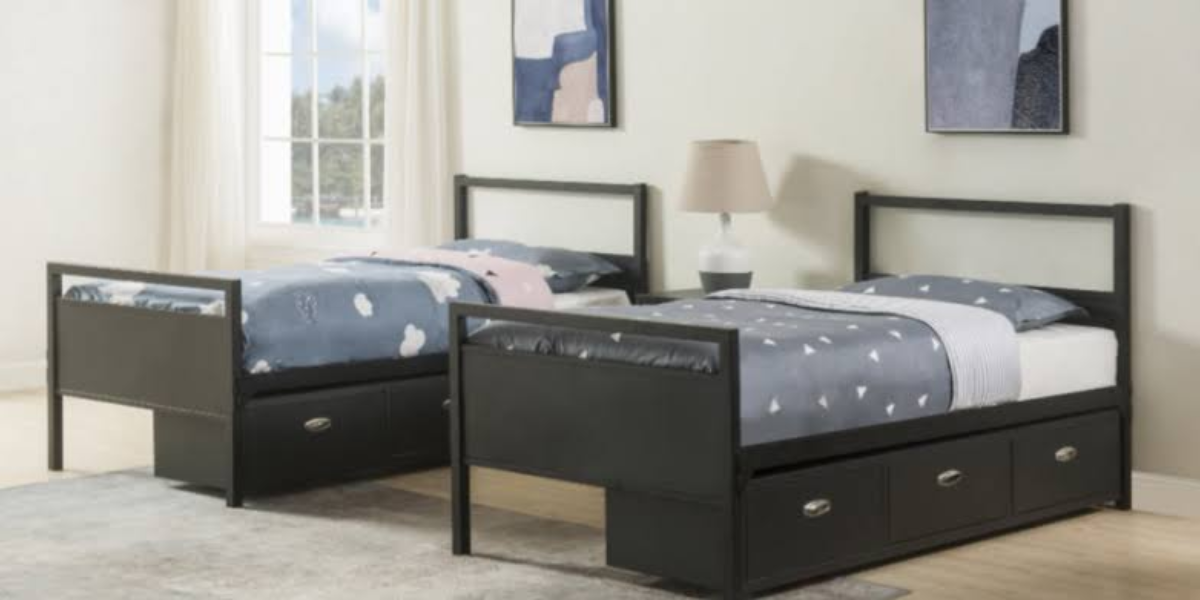
A few purchasing missteps come up again and again:
- Choosing based only on upfront price
- Ignoring long-term durability in favor of a quick fix
- Selecting furniture without reviewing its safety features closely
- Overlooking cleaning & maintenance requirements
- Prioritizing appearance over functional performance
- Buying general healthcare furniture that wasn’t designed for behavioral health environments in the first place
That last one trips up more facilities than you’d expect. A bed that looks similar to a purpose-built option isn’t the same thing.
Conclusion
Experience shows details. A company that understands safety in a hospital setting creates goods differently from the ground up, with construction, materials, and design decisions all based on real-world use in tough situations.
Furniture Concepts has spent years working with behavioral health, correctional, and institutional facilities across Ohio and beyond, building furniture designed specifically for these settings rather than adapting general-purpose products after the fact. When you’re evaluating suppliers, look for industry experience, durable construction, safety-focused design, and support that continues after the purchase, not just during it.
If your facility is ready to explore behavioral health beds designed for safety, durability, and comfort, contact us to discuss your specific requirements.
Frequently Asked Questions
What are behavioral health beds designed for?
Behavioral health beds are designed for use in psychiatric, mental health, and residential treatment settings where patient safety, durability, & infection control are top priorities. They reduce risk factors found in standard hospital beds while still supporting comfort and dignity.
What does ligature-resistant mean in behavioral health furniture?
Ligature-resistant means the furniture is designed to minimize potential attachment points, such as gaps, protrusions, or exposed hardware, that could be used to cause harm. This typically involves smooth surfaces, rounded edges, & enclosed or sloped construction.
How are behavioral health beds different from hospital beds?
Standard hospital beds prioritize clinical function & often include accessible mechanical components. Behavioral health beds prioritize safety-focused design, using tamper-resistant construction & ligature-resistant features suited to higher-risk environments.
What materials are best for behavioral health beds?
Heavy-duty steel, solid-core composites, & one-piece molded components tend to perform best. These materials support continuous use, resist damage, and hold up under frequent cleaning and disinfecting.
How do behavioral health beds support patient comfort?
Comfort comes from thoughtful details like warm finishes, neutral tones, supportive mattress options, & ergonomic considerations. These choices help create a therapeutic environment without compromising on required safety features.