









Furniture for disabled adults and what to look for when buying
Selecting furniture for disabled persons involves a thorough consideration of comfort, accessibility, mobility and daily use. The correct furniture can help make sitting, standing, transferring, & moving across a space easier, while also encouraging safety & independence. When purchasing, healthcare facilities, group homes, assisted living communities and other care settings should examine characteristics such as seat height, arm support, wheelchair clearance, durability and cleanability.
What Makes Furniture Accessible for Adults With Disabilities?
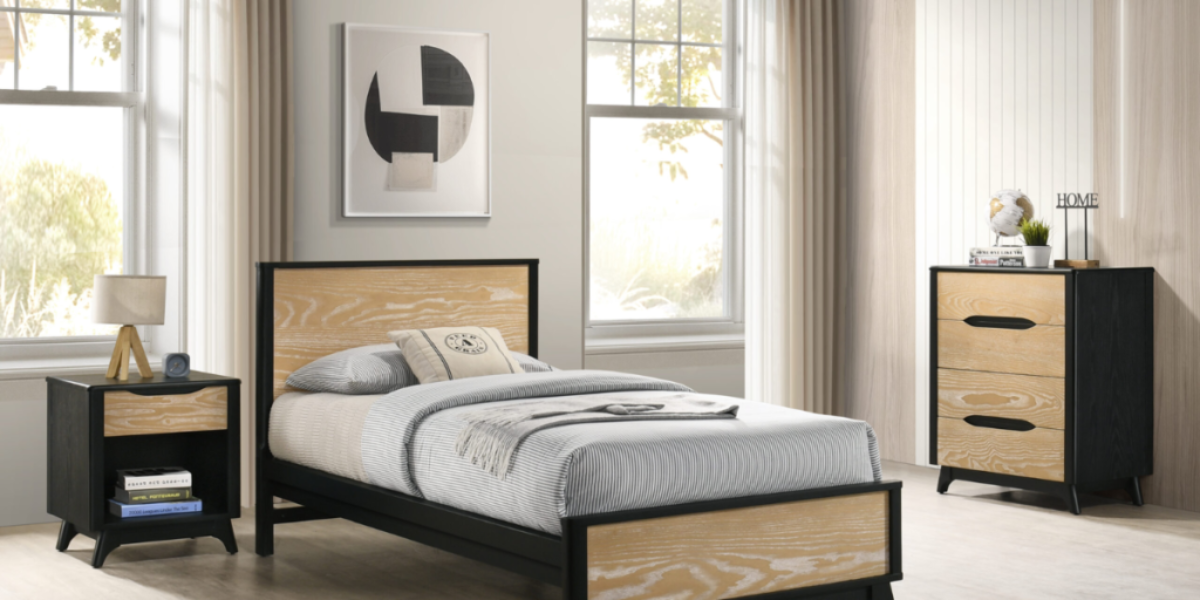
There is no single furniture design that works for every person with a disability. Someone who uses a wheelchair may have very different needs from a person who can walk independently but has difficulty lowering themselves into a chair or standing back up.
That is why accessible furniture should be selected according to the user, the room, and the expected level of use.
Important questions include:
- Does the person need assistance standing up?
- Will a wheelchair need to fit underneath a table?
- Is a wider seat required?
- Does the person need firm arm support during transfers?
- Will the furniture receive continuous use?
- Does the upholstery need to handle spills or incontinence?
- Does the environment require additional stability or security features?
- Can staff clean and maintain the furniture easily?
For organizations furnishing residential treatment, assisted living, supportive housing, or other care environments, these details can help create spaces that support both users and staff.
What to Look for When Buying Furniture for Disabled Adults
Seat Height
The height of the seat determines how easy it is to sit down and get up.
A chair that is very low can require greater knee, hip, and leg effort when standing. In some settings, a somewhat higher seat may make transfers easier for adults with limited mobility.
However, seat height should still allow the user's feet to rest comfortably and securely.
When comparing accessible seating, consider the typical users of the space instead of choosing one seat height based only on appearance.
Seat Depth and Width
Seat depth influences posture and comfort.
A seat that is too deep may make it difficult for a shorter person to sit with their back supported while keeping their feet on the floor. Shorter seat depths can also make it easier for some people with limited mobility to move toward the front of the chair before standing.
Seat width matters as well.
Facilities serving people of different body sizes may need a combination of standard and bariatric seating. We offer bariatric furniture and seating designed for users who require additional seat width and verified weight support.
Stable Armrests
Armrests can provide useful leverage when a person moves into or out of a chair.
Look for armrests that:
- feel firm under pressure
- are positioned at a practical height
- are securely attached to the frame
- allow the person to grip or push against them comfortably
Thin decorative arms may look attractive, but they may offer limited support during transfers.
For furniture for adults with disabilities, arm design should be considered as a functional feature rather than purely a styling choice.
Firm, Supportive Seating
Very soft seating can be difficult for someone with limited strength or mobility to get out of.
Firm cushions can provide a more stable sitting surface and reduce the amount a person sinks into the seat. This may make repositioning or standing easier.
Supportive backs can also help users maintain a comfortable sitting position during longer periods.
The right firmness depends on the individual, so facilities should consider who will use each room and how long people typically remain seated.
Furniture Stability
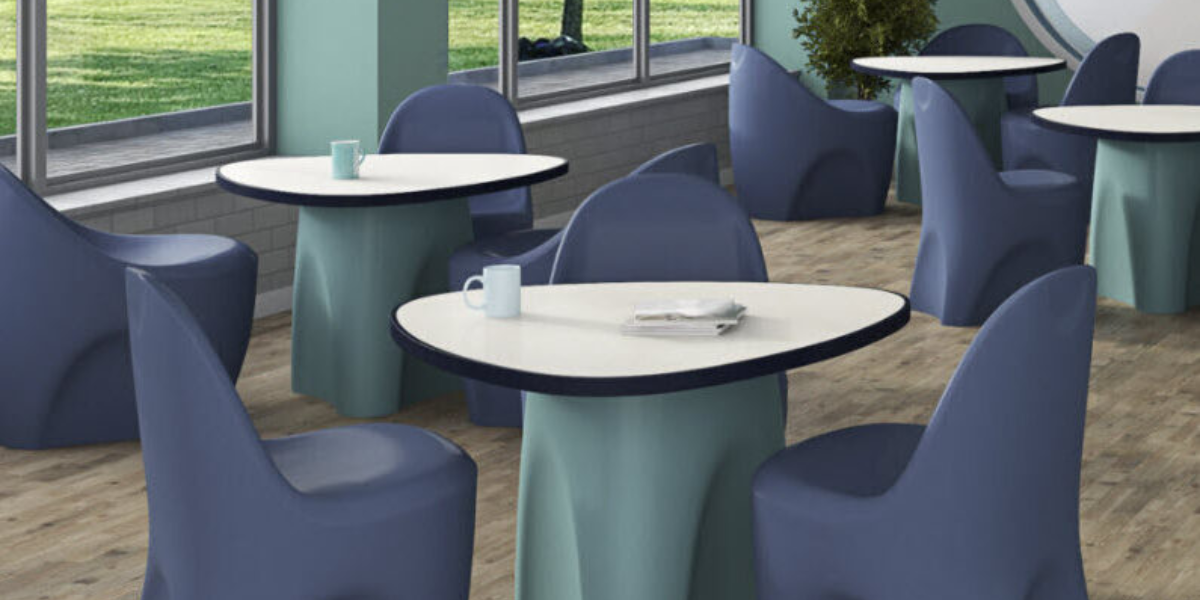
Furniture should remain stable when someone sits down, stands up, or places pressure on the armrests.
Lightweight furniture that slides easily may be unsuitable in some care environments because movement can make transfers less predictable.
Depending on the setting, buyers may need:
- heavier frames
- floor-mounted furniture
- weighted furniture
- connected or ganged seating
- specialized furniture for higher-risk environments
Furniture Concepts provides durable furniture options for healthcare and group living spaces where stability and frequent use are major considerations.
Weight Capacity
Always check the manufacturer's stated weight capacity before ordering seating.
A chair that appears wide or sturdy should not automatically be assumed to support bariatric use.
We buying resources note that bariatric seating commonly uses wider dimensions and higher tested weight capacities than standard seating.
For shared spaces, including a mix of standard and bariatric seating can give residents, patients, visitors, and staff suitable choices.
Wheelchair Clearance and Table Height
A table may look accessible but still prevent a wheelchair user from approaching comfortably.
For fixed or built-in accessible tables, ADA design standards address factors such as knee clearance, width, depth, clear floor space, and table height.
When choosing tables for healthcare and group living environments, also consider:
- wheelchair approach
- leg and knee clearance
- table-base placement
- room circulation
- access from multiple sides
- whether chairs need to be removed to create wheelchair positions
A table base placed directly where a wheelchair needs to enter can reduce practical accessibility even when the tabletop itself is at a suitable height.
Easy-to-Clean and Fluid-Resistant Materials
Furniture in healthcare and residential care settings often needs to handle far heavier cleaning demands than furniture used in a private home.
Spills, food, bodily fluids, and frequent surface cleaning can affect both upholstery and internal components.
Useful features may include:
- fluid-resistant upholstery
- moisture barriers
- clean-out seat designs
- removable seat decks
- wipeable surfaces
- sealed seams where appropriate
We offer upholstered seating for fluid management, including seating with clean-out and removable seat designs intended to make maintenance easier.
Rounded Edges and Safer Construction
The physical shape of furniture should suit the environment in which it will be placed.
Rounded corners and smooth surfaces may help reduce sharp contact points in busy spaces. Construction should also be checked for exposed hardware, loose components, unstable parts, or areas that are difficult to maintain.
Higher-risk settings may require specialized construction based on a facility's safety assessment.
The correct furniture should always be selected according to the specific population, room use, supervision level, and facility policies.
Ease of Maintenance and Replacement Parts
Furniture in a high-use environment will eventually show wear.
Before buying, ask whether common components can be repaired or replaced without replacing the entire furniture piece.
Useful considerations include:
- replaceable cushions
- removable seat decks
- replaceable glides
- access to replacement upholstery
- repairable frames
- easy-to-clean construction
- availability of replacement parts
Furniture designed for commercial or healthcare environments is often easier to maintain over repeated use than typical residential retail furniture.
Furniture Options for Different Mobility Needs
Different users may require different furniture features. A facility can often serve a wider range of people by using a thoughtful combination of furniture types.
| Need | Features to Consider |
|---|---|
| Limited mobility | Higher seating where appropriate, firm cushions, stable armrests, shorter seat depth |
| Wheelchair access | Knee clearance, accessible table height, open approach and adequate circulation |
| Incontinence | Fluid-resistant upholstery, clean-out designs, removable seat components |
| Bariatric support | Wider seating and verified weight capacity |
| High-use healthcare | Durable frames, commercial-grade materials and maintainable components |
| Higher-risk environments | Weighted, secured, floor-mounted or specialized construction when appropriate |
The purpose of this comparison is not to assign one furniture type to every person with a particular disability. Instead, it helps buyers identify which features may deserve closer attention.
Why Residential-Style Furniture Matters in Healthcare Settings
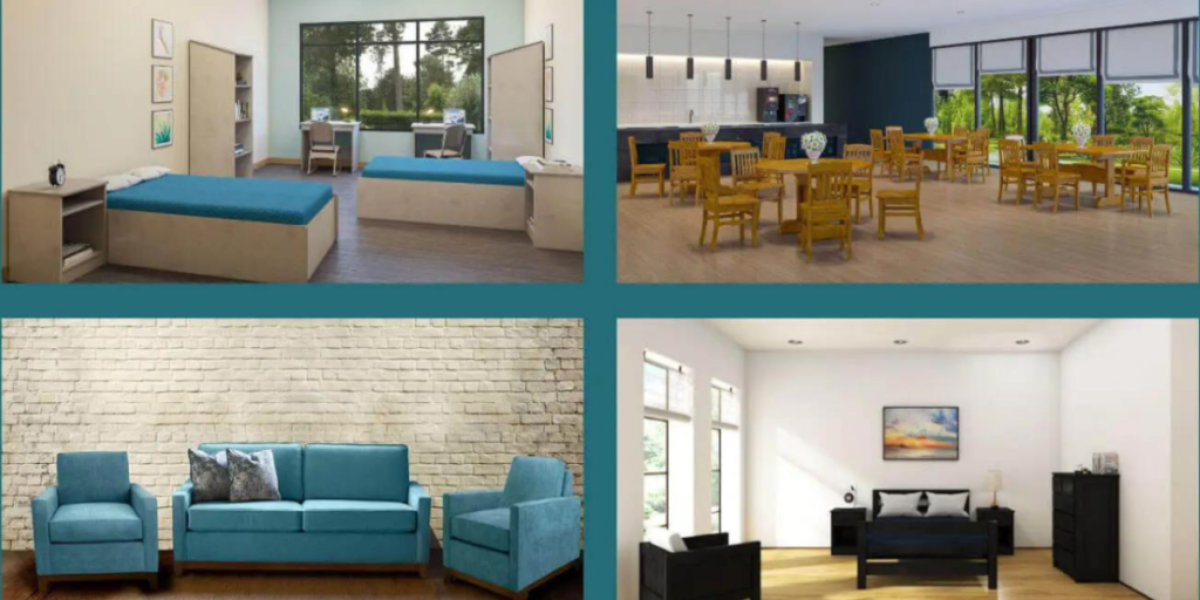
Function matters, but appearance also influences how a space feels.
Furniture that resembles comfortable residential furnishings can help create a warmer environment in assisted living, residential treatment, supportive housing, recovery programs, and similar settings.
The goal is to combine familiar styling with practical features such as durability, accessibility, cleanability, and support.
We offer healthcare and group living furniture designed for environments where residential appearance and commercial performance need to work together.
This balance can help common rooms, bedrooms, dining areas, lounges, and waiting spaces feel less clinical while remaining practical for daily operations.
Retail Furniture vs. Contract Healthcare Furniture
Furniture sold for home use and furniture intended for healthcare or group living environments can face very different demands.
Residential furniture may be used by a small number of people each day. Furniture in a group setting may be used continuously by residents, patients, visitors, and staff.
Contract healthcare furniture may provide advantages such as:
- stronger frame construction
- commercial-grade upholstery
- higher-use components
- bariatric options
- fluid-management features
- specialized stability options
- replaceable components
- products designed for specific care environments
We construction resources describe furniture designed for demanding group and care environments where durability and maintenance are key considerations.
The right choice depends on the room. A lightly used administrative office may have different requirements from a 24-hour residential common area.
Questions to Ask Before Ordering Accessible Furniture
Before purchasing furniture for adults with disabilities, review the following checklist:
- Who will use this furniture most often?
- What mobility limitations are common among users?
- Does anyone need wheelchair access?
- Is the seat height appropriate for the people using the space?
- Is the seat deep enough for comfort without making standing difficult?
- Are the armrests stable enough to support transfers?
- What weight capacities are required?
- How much daily use will the furniture receive?
- Will spills or incontinence require fluid-resistant materials?
- How easily can staff clean underneath & around the furniture?
- Are replaceable parts available?
- Does the furniture need to be weighted, secured, or floor-mounted?
- Can people move comfortably around the furniture using mobility devices?
- Does the design suit the overall environment?
Creating a room-by-room furniture list can help prevent a facility from applying the same specifications everywhere.
Choosing Furniture for Your Facility
Accessible furniture should reflect the people using the space.
A dining area may need wheelchair-friendly tables & stable chairs. A lounge may need firm supportive seating and bariatric options. A residential bedroom may require durable casegoods that still contribute to a comfortable atmosphere.
Start by identifying mobility needs, room use, cleaning requirements, expected wear, and any facility-specific safety concerns.
We have helped organizations select contract furniture for group living and care environments for over 25 years, including products designed for limited mobility, bariatric needs, incontinence, intensive use, and behavioral healthcare applications.
Conclusion
Choosing suitable furniture for adults with disabilities starts with understanding how the furniture will be used & what level of support each person may need. Seat dimensions, stability, weight capacity, accessible table design, durable materials, and easy maintenance can all influence how practical the furniture is in a care environment.
Before you make a final selection, think about the needs of the people using the space as well as the demands of the facility itself. We offer a range of healthcare and group living furniture designed for different mobility, durability, and maintenance needs. Explore the available furniture options or contact us for help selecting products that fit your facility.
Frequently Asked Questions
What Furniture Is Best for Adults With Limited Mobility?
Furniture for adults with limited mobility should provide a stable sitting surface and support comfortable movement. Depending on the person, helpful features may include firm cushions, stable armrests, suitable seat height, shorter seat depth, & furniture that remains steady when pressure is applied during transfers.
What Should I Look for in a Chair for an Adult With a Disability?
Check the chair's seat height, width, depth, firmness, armrests, stability, weight capacity, upholstery, and maintenance requirements. The right combination depends on the individual's mobility, body size, transfer needs, and how the chair will be used.
What Makes a Table Wheelchair Accessible?
Wheelchair-accessible tables need sufficient clear floor space and knee clearance so a wheelchair user can approach and sit comfortably. Table-base placement also matters because legs or pedestal bases can block access even when the tabletop is at an appropriate height.
Are Armrests Important for People With Limited Mobility?
Armrests can be valuable for people who use their upper body for support while sitting down or standing up. They should be stable, easy to reach, and firmly attached. The appropriate armrest height and design depend on the person using the chair.
What Upholstery Works Well in Healthcare Facilities?
Healthcare facilities often benefit from durable, wipeable, fluid-resistant upholstery that can tolerate frequent cleaning. The exact material should be chosen according to the care setting, infection-control requirements, cleaning products, and expected level of use.
When Is Bariatric Furniture Needed?
Bariatric furniture may be appropriate when users need additional seat width or greater weight capacity than standard seating provides. Buyers should verify the manufacturer's dimensions and tested capacity rather than relying on the chair's appearance.
How Is Contract Healthcare Furniture Different From Residential Furniture?
Contract healthcare furniture is generally selected for higher usage levels and specific operational needs. Depending on the product, this may include stronger construction, commercial upholstery, replaceable components, bariatric options, fluid management, or specialized stability features.