








Best Furniture Solutions for San Diego Homeless Shelters & Transitional Housing Furniture Facilities
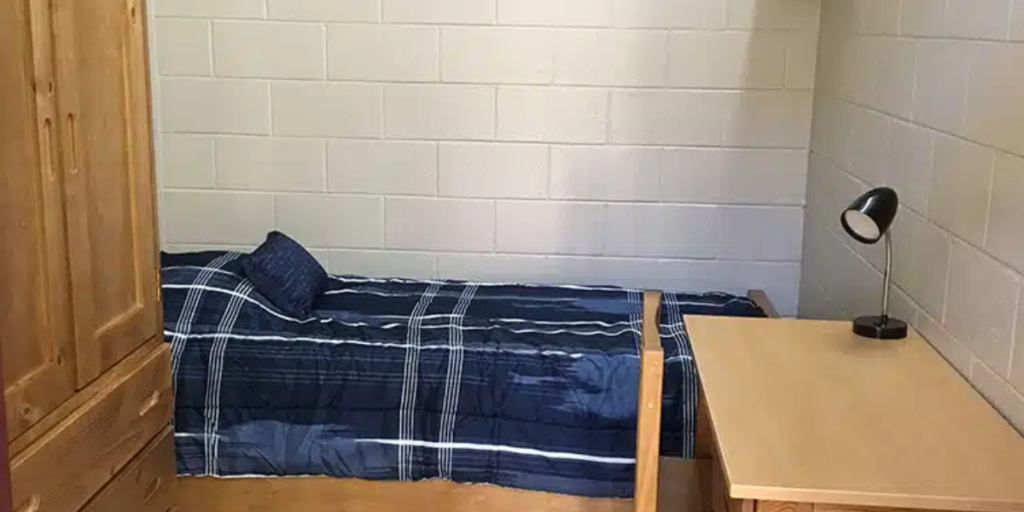
Creating spaces that feel safe, stable, and welcoming is a meaningful part of supporting people who are rebuilding their lives. In San Diego, shelters and transitional programs work in a fast-paced setting where every detail counts. Furniture is one of those details that quietly shapes daily routines, comfort levels, and even emotional well-being.
Facilities across the region are placing greater focus on durable furniture that can handle continuous use without losing its quality. At the same time, there is a growing need for solutions that promote hygiene, safety, and flexibility. Carefully selected transitional housing furniture helps bridge that gap by offering strength, functionality, and a sense of dignity for residents.
Understanding Furniture Needs in San Diego Shelters
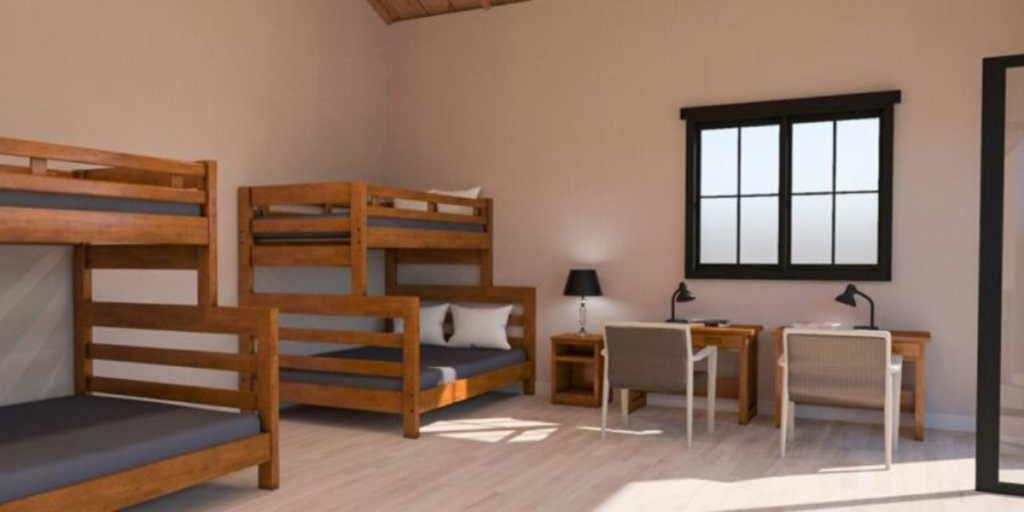
San Diego’s shelter system continues to evolve as organizations work to meet growing demand and support a diverse population. Facilities generally run at full capacity, which puts a lot of stress on the infrastructure, including furniture. These spaces need solutions that can handle constant use while being comfortable and stable, unlike homes. The appropriate way to choose transitional housing furniture lets shelters be efficient without hurting the experience of the people who live there.
This is where thoughtful planning becomes essential. By incorporating homeless shelter furniture that balances strength with comfort, facilities can create environments that feel structured and supportive. Over time, this contributes to smoother daily operations and a more positive atmosphere for both residents and staff.
The Demand for Reliable, Long-Term Furniture
Furniture in these environments is used heavily every single day, often by multiple residents over short periods. This level of use quickly highlights the limitations of standard products. Facilities benefit from durable furniture that maintains its integrity over time, reducing the need for constant repairs or replacements. Strong materials and reinforced construction play a major role in maintaining reliability.
Creating a Comfortable and Supportive Environment
Comfort remains an important consideration, even in high-traffic settings. When residents feel physically at ease, it can positively influence their overall experience. Well-designed homeless shelter furniture helps create a sense of normalcy, making shared spaces feel less institutional and more welcoming.
Sleeping Solutions That Maximize Space and Comfort
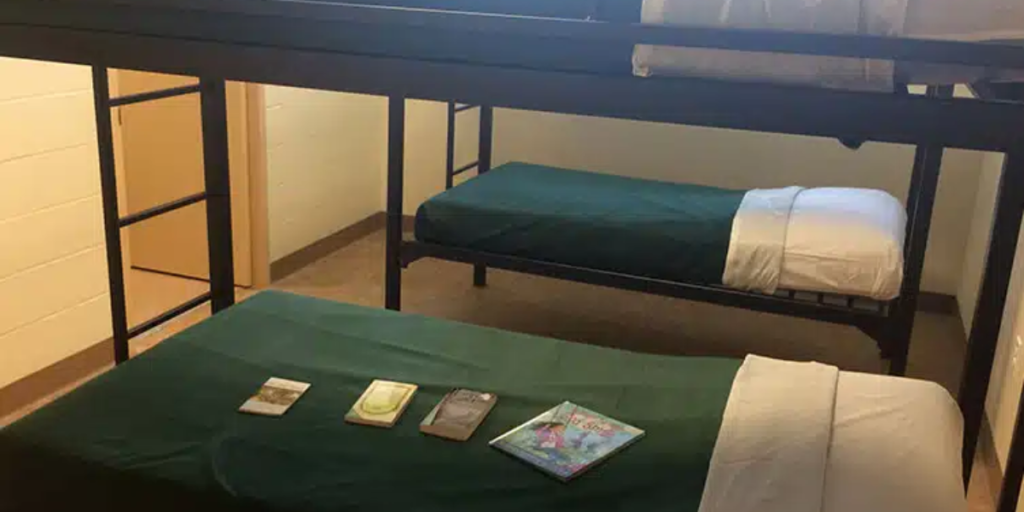
Sleeping arrangements are one of the most critical components of any shelter or transitional housing facility. These spaces must provide residents with a reliable place to rest while also accommodating high occupancy levels. Efficient layouts and strong construction are essential, especially in environments where beds are used continuously. Well-planned transitional housing furniture helps facilities create sleeping areas that are both functional and comfortable, even in limited space.
At the same time, comfort cannot be overlooked. Rest plays a vital role in physical and emotional recovery, making mattress quality and bed design important considerations. Facilities must strike a balance between maximizing capacity and maintaining a level of comfort that supports residents’ well-being.
Heavy-Duty Bed Options for Daily Use
Beds need to withstand constant use without compromising stability. Reinforced frames and durable materials provide the strength required for long-term performance.
- Metal bunk beds built for high-traffic environments
- Reinforced frames that resist bending or wear
- Configurations that adapt to changing occupancy needs
These solutions are widely used in homeless shelter furniture planning because they allow facilities to accommodate more residents efficiently.
Mattress Quality and Hygiene
Mattresses must support both comfort and cleanliness. Many shelters choose options designed with protective materials that simplify maintenance. These products are often part of certified furniture programs, offering consistent quality and reliability.
Hygiene and Safety as Core Priorities
Maintaining a neat and safe environment is a daily responsibility for shelter operators. Furniture plays a direct role in how easily these standards can be upheld. In shared living spaces, where multiple individuals use the same items, hygiene becomes especially important. Selecting durable furniture with easy-to-clean surfaces helps facilities maintain a higher level of cleanliness without increasing workload.
Safety is just as vital, especially in places that help people who are recovering or who have certain behavioral issues. Furniture should be made to reduce dangers while still being useful for everyday tasks. Thoughtful design and careful choice of materials frequently help to create this equilibrium.
Materials That Simplify Cleaning
Surfaces that resist moisture and are effortless to sanitize can significantly improve daily operations. Non-porous finishes and sealed edges help prevent buildup, supporting a healthier environment for residents and staff.
- Smooth surfaces that allow quick cleaning
- Sealed seams that limit hidden buildup
- Finishes designed for frequent sanitation
These features are commonly found in behavioral health furniture used across healthcare and housing facilities.
Built-In Safety Features
Safety-focused design elements, such as rounded edges and stable construction, help reduce potential risks. Many facilities rely on behavioral health furniture to meet these needs while maintaining a comfortable and approachable look.
The Value of Certified Standards
Using certified furniture provides consistency across the facility. It helps organizations maintain quality and align with established guidelines, supporting both safety and long-term durability.
Storage Solutions That Support Dignity and Organization
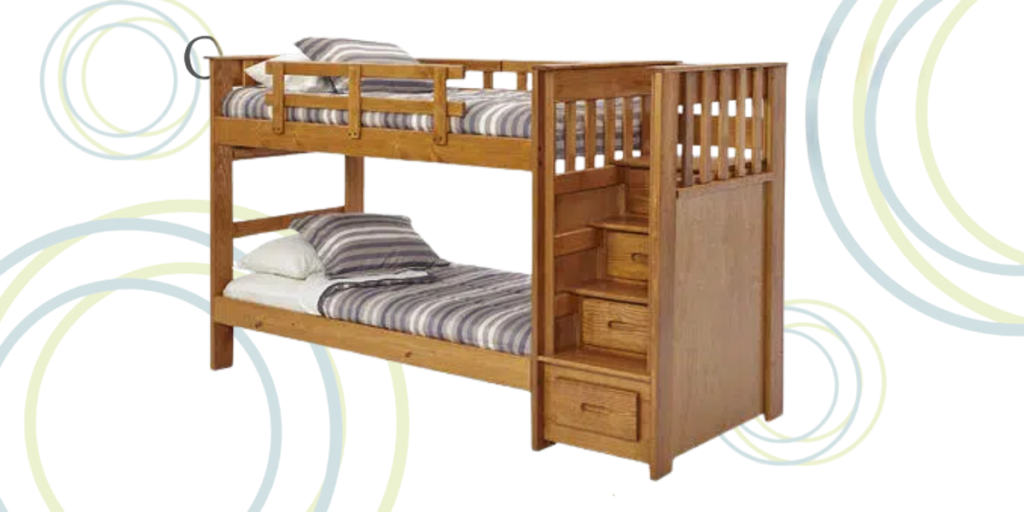
Storage is often an overlooked aspect of shelter design, yet it plays a critical role in daily life. Providing residents with a secure place to keep their belongings can create a sense of order and personal space. In environments where privacy is limited, even small storage solutions can make a meaningful difference. Thoughtfully designed transitional housing furniture helps facilities offer practical storage without taking up unnecessary space.
At the same time, storage units must be built to handle constant use. People use doors, hinges, and locks many times a day; they need to be built well and made of reliable materials.
Personal Storage Options for Residents
Shelters usually offer personal storage options that help tenants keep their things safe and organized.
- Lockers with secure access
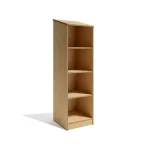
- Metal wardrobes for shared rooms
- Compact units that maximize limited space
These options are a key part of homeless shelter furniture, supporting both functionality and dignity.
Built for Everyday Use
A lot of the time, facilities get their storage units from wholesale furniture suppliers because they are both cheap and strong. Strong structure keeps performance up even in busy places.
Encouraging Independence Through Design
Access to personal storage allows residents to manage their belongings independently. This sense of control can contribute to a more positive living experience.
Common Areas That Feel Welcoming and Functional
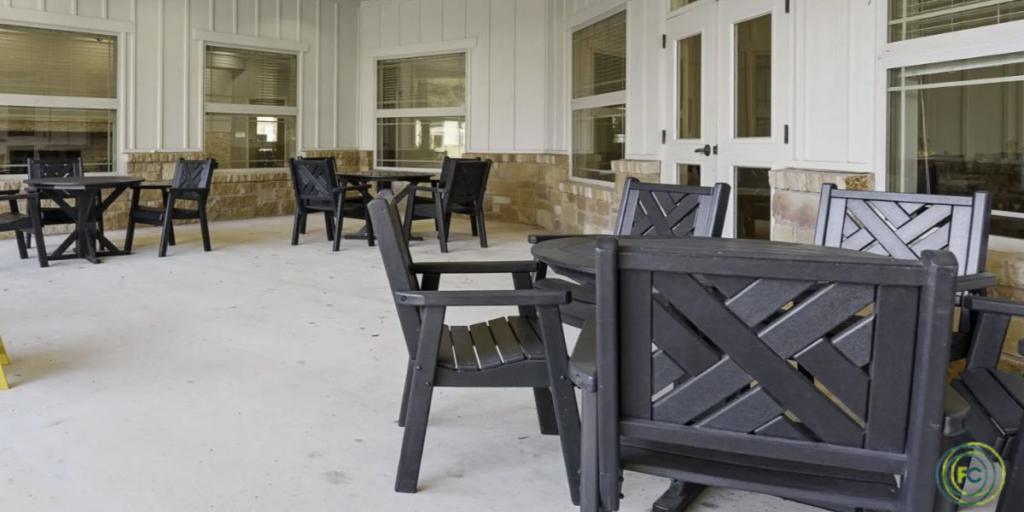
Common areas serve as the heart of any shelter or transitional housing facility. These areas are important to daily living since they are where people eat, hang out, and do structured activities. Furniture in these places needs to be able to handle a lot of use while also making the space feel cozy and welcoming. Well-chosen transitional housing furniture helps transform shared spaces into environments that encourage connection and engagement.
Design plays an important role in how these spaces are perceived. A thoughtful combination of materials, colors, and layouts can make common areas feel less institutional and more like a shared home.
Seating That Balances Comfort and Strength
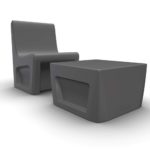
Chairs and lounge seats must be strong enough to hold up over time. Reinforced designs and easy-to-clean materials help keep spaces functional and comfortable.
Tables for Everyday Activities
There are many uses for tables, from eating to group meetings. They can handle regular usage without displaying signs of wear because they are made with strong materials and finishes.
Creating a Positive Atmosphere
A well-designed common area encourages interaction and helps residents feel more at ease. Comfortable homeless shelter furniture plays a role in creating this sense of community.
Long-Term Value of Durable Furniture
Investing in quality furniture can have a lasting impact on both operations and budgets. Facilities that prioritize strong, reliable products often experience fewer disruptions and greater efficiency over time. Choosing durable furniture allows organizations to focus on their mission rather than dealing with constant repairs or replacements.
In high-traffic environments, even small improvements in durability can lead to significant cost savings. Furniture that holds up over time reduces the need for frequent purchases, helping facilities manage resources more effectively.
Reducing Replacement Cycles
Furniture that keeps its shape and looks good over time helps institutions avoid having to replace it often. This stability helps things run more smoothly and plan for the long term.
Consistency Across Spaces
Using transitional housing furniture designed for durability helps maintain a cohesive look throughout the facility. This consistency can improve both functionality and visual appeal.
Behavioral Health Considerations in Furniture Design
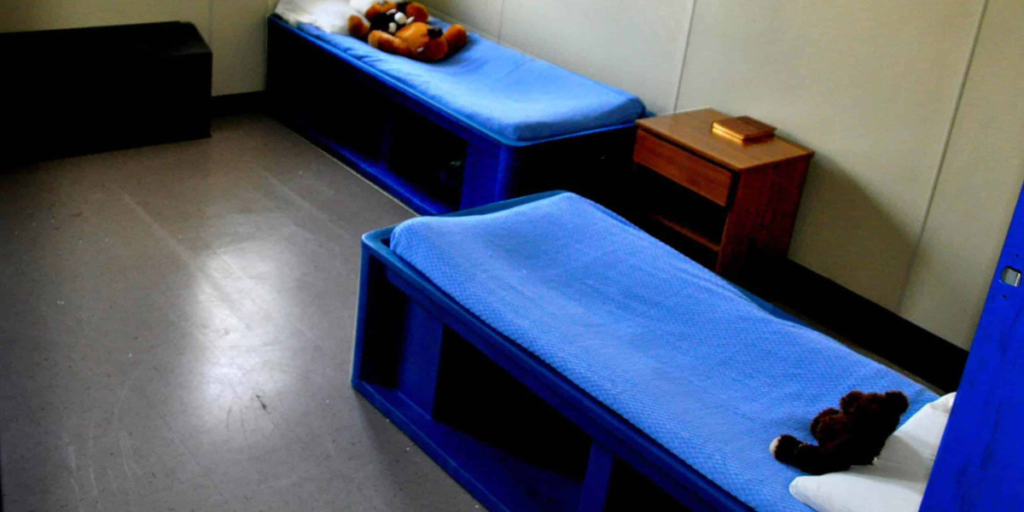
Many shelters and transitional housing programs in San Diego support individuals who are navigating recovery. Furniture in these areas needs to be carefully chosen to strike a balance between safety and comfort. Carefully chosen behavioral health furniture helps make spaces that feel safe and peaceful while also meeting specific safety needs.
The way things are designed can affect how people interact with their surroundings. Smooth finishes, neutral tones, and stable construction all contribute to a more balanced and welcoming space.
Creating Calm and Balanced Spaces
Furniture that feels comfortable and visually neutral can support a sense of stability, which is important in recovery-focused environments.
Maintaining Quality Through Certification
Using certified furniture helps facilities maintain consistent standards across all areas, supporting both safety and durability.
Local Resources for Furnishing in San Diego
San Diego offers a range of resources for shelters and transitional housing providers looking to furnish their spaces. These include both community-based groups and businesses that sell goods and services. Each one helps facilities and residents in some way.
Community organizations often provide donated furniture and essential household items, helping individuals transition into stable housing. At the same time, commercial suppliers offer specialized solutions designed for long-term use in high-traffic environments.
Working with Commercial Suppliers
Many businesses work with professional suppliers like Furniture Concepts to get wholesale furniture that can handle tough conditions. Their focus on durable furniture and useful design helps businesses make environments that work for both residents and staff.
Choosing the Right Supplier for Your Facility
Working with a supplier that specializes in transitional housing furniture allows organizations to access products designed specifically for high-traffic, shared spaces. This level of expertise can make a notable difference in both performance and longevity.
Key Considerations for Decision-Makers
Facilities often evaluate suppliers based on their ability to provide certified furniture, consistent quality, and dependable service.
Product Variety and Flexibility
A wide product range makes it easier to furnish an entire facility while maintaining a cohesive design. This includes beds, seating, storage, and common area furniture.
Building Long-Term Partnerships
Partnering with trusted providers such as Furniture Concepts helps facilities establish reliable sourcing strategies that support both immediate and future needs.
Conclusion
When furnishing shelters and transitional housing facilities in San Diego, you need to prepare carefully and know what problems people face every day. Every piece of furniture adds to the experience, whether it’s giving you a place to sit or making communal areas that are warm and inviting and help people connect and feel stable.
By choosing high-quality transitional housing furniture, facilities can build environments that support recovery while maintaining long-term efficiency. Whether selecting behavioral health furniture, storage solutions, or seating for common areas, the focus remains on durability, safety, and comfort.
If your business is getting ready to grow or modernize, engaging with experienced providers like Furniture Concepts can help you find the right solutions for your needs. Contact us today to explore the right furniture options for your facility.
Frequently Asked Questions
What is the most needed item in homeless shelters?
Beds and mattresses are among the most important things since they help people sleep and recuperate.
What is transitional housing in San Diego?
It means short-term housing initiatives that help people get back on their feet as they look for a permanent place to live.
What is San Diego doing about homeless people?
The city continues to expand housing programs and support services aimed at addressing homelessness and improving access to care.
What are the essential things needed for a homeless shelter?
Shelters need beds, storage units, seats, and ways to keep things clean. Reliable homeless shelter furniture helps with daily operations and makes residents more comfortable.