











Durable rocking chairs for healthcare facilities: built for patient comfort and safety

Healthcare seating has to do quiet work all day. It supports patients, gives families a place to pause, helps staff manage care spaces, & still needs to look calm rather than clinical. That’s a lot to ask from one chair.
For many healthcare facilities, rocking chairs remain a practical choice because they bring comfort into rooms that can otherwise feel tense. A steady rocking motion can make patient rooms, waiting areas, assisted living spaces, & behavioral health environments feel softer & less institutional.
Furniture Concepts offers patient room furniture and healthcare seating for demanding group living and care environments, including behavioral healthcare, assisted living, supportive housing, and recovery settings. Their patient room collection includes rocker options such as the Foster Patient 44" Single Rocker and the Ruhe Rocker 42".
Why rocking chairs still matter in healthcare spaces
A good healthcare chair is rarely noticed when it works well. It feels stable. It’s easy to sit in. It doesn’t shift awkwardly. Staff can clean around it without frustration.
Rocking chairs add another layer: gentle movement.
That motion can help create a calmer seating experience for patients, residents, visitors, and caregivers. In a patient room, a rocker may be used by a family member during long visits. In assisted living, it may support daily routines. In behavioral health furniture planning, it may help create a room that feels less harsh while still meeting durability expectations.
The key is choosing a chair built for the setting. A residential rocker may look pleasant at first, but healthcare furniture faces heavier wear, frequent cleaning, & a wider range of users.
What makes a rocking chair suitable for healthcare facilities?
Not every rocker belongs in a care environment. Facilities need healthcare chairs that balance comfort, performance, & risk reduction.
A healthcare-grade rocking chair should be evaluated for:
- Frame strength
- Seat support
- Tip resistance
- Cleanable upholstery
- Smooth, controlled rocking motion
- Appropriate scale for the room
- Long-term replacement value
- Fit with patient population needs
Small details matter. A chair that’s difficult to clean can become a daily problem. A chair that’s too light may move too easily. A chair with poor support may lose comfort fast in high-use areas.
Key takeaway
The best rocking chairs for healthcare facilities are not selected by looks alone. They should support patient comfort, staff efficiency, safety goals, & long-term facility budgets.
Comfort matters, but support matters first
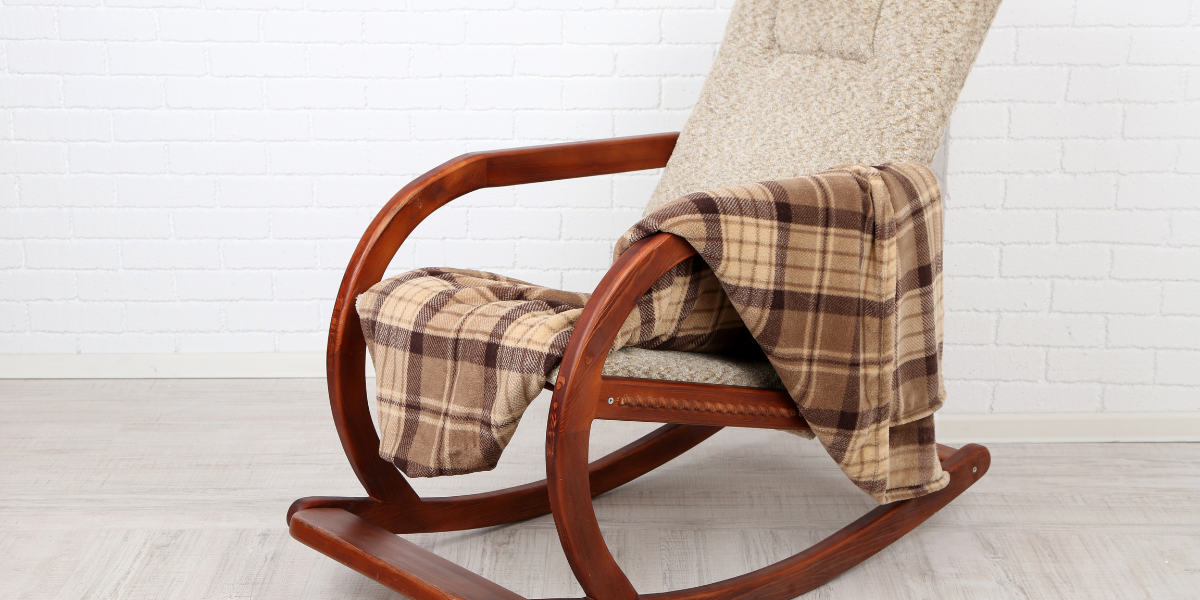
Comfort in healthcare seating isn’t the same as soft residential comfort. Too much sink can make a chair hard to enter. Poor seat depth can create an awkward posture. Weak foam can flatten quickly.
A well-designed rocker should feel welcoming without trapping the user in the seat. For healthcare facilities, that balance is important for patients with limited mobility, older adults, larger-bodied users, and visitors who may sit for extended periods.
Look closely at:
Seat height
The chair should allow most users to sit and stand with less strain.
Arm design
Arms should offer steady support during entry & exit.
Seat firmness
The cushion should feel comfortable, but it should not collapse under repeated use.
Back support
A supportive back helps users settle in without slouching uncomfortably.
Furniture Concepts emphasizes institutional-grade furnishings designed for durability, simplicity, & ease of maintenance in patient room settings.
Durability reduces replacement headaches
In healthcare facilities, furniture is used by many people with different needs. Rockers may be moved, leaned on, cleaned repeatedly, & used for long stretches.
That’s why durability should be part of the buying decision from the start.
Furniture Concepts notes that its seating collections combine the look of sofas, loveseats, and chairs with construction intended for heavy use, including solid wood frames, craftsmen joinery, high-density foam, and healthcare-grade fabric options.
For facility buyers, durable construction can mean fewer disruptions later. Less downtime. Fewer emergency replacements. Better consistency across patient rooms & shared areas.
Safety considerations for behavioral health furniture

Behavioral health furniture requires an even closer review. Seating must feel dignified and comfortable, but the design should also support safer spaces.
In behavioral healthcare facilities, furniture affects daily routines, staff workflow, and the overall environment of care. Furniture Concepts positions its behavioral healthcare furnishings around patient and resident safety, heavy use, and therapeutic spaces.
When considering rocking chairs for behavioral health spaces, ask practical questions:
- Is the chair appropriate for the acuity level of the space?
- Can it be cleaned quickly & thoroughly?
- Does the weight & construction fit the room’s risk profile?
- Are there gaps, seams, or components that could create maintenance issues?
- Will the rocker support a calm, home-like environment?
Each health care facility has different needs. A low-acuity waiting area is not a crisis stabilization unit. That choice of product should depend on the precise use case.
Upholstery should work as hard as the frame
Fabric choice can make or break a healthcare seating purchase. Rocking chairs may be exposed to spills, cleaning chemicals, daily wear, and occasional incontinence concerns.
Furniture Concepts offers healthcare-grade woven fabrics, including Crypton, Encase, antimicrobial, antifungal, & easy-to-clean finishes. Vinyl upholstery is also available, with some bleach-cleanable options for faster maintenance.
For healthcare facilities, upholstery should be reviewed for:
- Cleanability
- Moisture resistance
- Stain resistance
- Seam strength
- Color durability
- Compatibility with facility cleaning protocols
A chair can have a strong frame and still fail early if the upholstery doesn’t match the environment.
Where rocking chairs fit best
Rocking chairs can serve a variety of healthcare & human services spaces. Placement, however, must be deliberate. If comfort, silent interaction, and support while seated are priorities, a rocker is best.
Patient rooms
A durable rocker gives family members or caregivers a comfortable place to sit during visits.
Assisted living spaces
Rockers can support a familiar, residential feeling while still meeting commercial-use expectations.
Behavioral healthcare common areas
When appropriate for the setting, a rocker may help soften shared spaces without making the room feel fragile.
Recovery and supportive housing
In group living environments, durable seating helps create steady, practical comfort for residents.
Waiting areas
A rocker may be useful in calm waiting areas where visitors need supportive seating during longer stays.
Comparison table: residential rocker vs healthcare-grade rocker
| Feature | Residential Rocking Chair | Healthcare-Grade Rocking Chair |
|---|---|---|
| Intended Use | Home seating | High-use facility seating |
| Cleaning Needs | Light household cleaning | Frequent facility cleaning |
| Frame Strength | Varies widely | Built for repeated heavy use |
| Upholstery | Decorative focus | Cleanable, durable materials |
| Safety Review | Basic household use | Facility-specific evaluation |
| Best Fit | Private homes | Healthcare facilities and care environments |
Don’t overlook bariatric seating needs
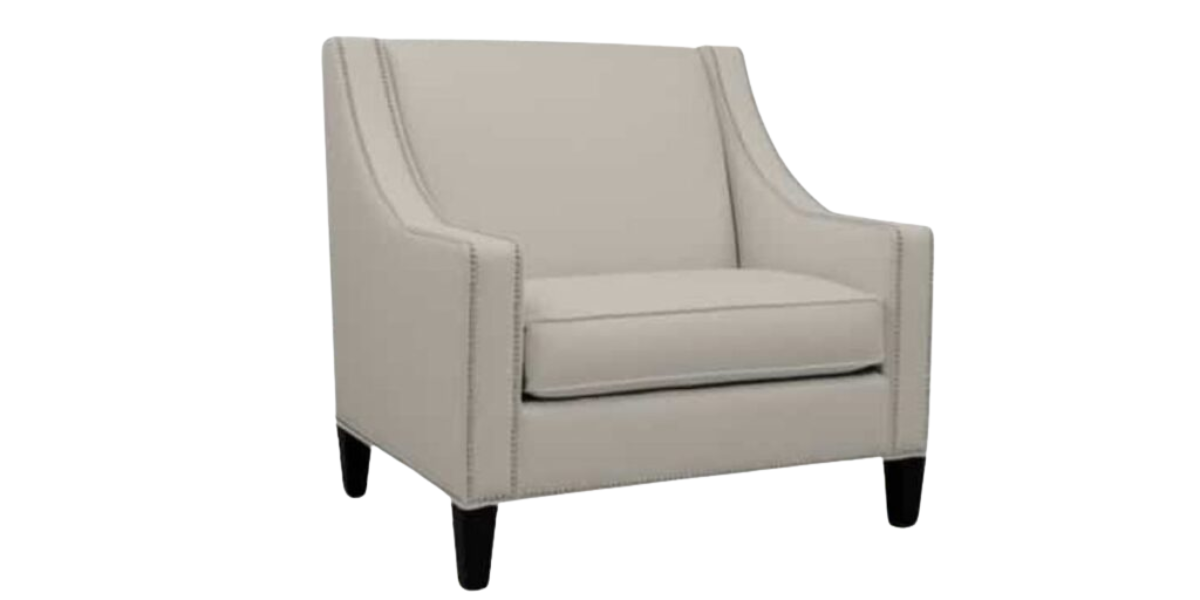
Healthcare environments serve people of different body types and mobility levels. That includes patients and visitors who need stronger support.
Bariatric chairs are designed for higher weight capacity & can help facilities address comfort, safety, staff workflow, and patient dignity. Furniture Concepts provides bariatric upholstered seating for behavioral healthcare, shelters, and treatment centers, along with bariatric dining and accent chairs for group living environments.
Even when you are buying rocking chairs, it is a good idea to look at the whole seating chart. Some places demand recliners, others bariatric chairs, lounge chairs, rockers or permanent healthcare chairs.
How facility buyers should evaluate rocking chairs before ordering
A thoughtful buying process saves time later. Before requesting pricing, collect the details your team will need.
1. Define the room type
Patient room, common area, waiting space, assisted living room, or behavioral health unit.
2. Identify user needs
Consider mobility, supervision level, patient age range, body size, & staff concerns.
3. Review cleaning protocols
Match upholstery & finishes to your facility’s approved cleaning products.
4. Check durability expectations
Ask about frame construction, foam performance, upholstery options, & warranty details.
5. Think about standardization
Multi-room and multi-facility programs often benefit from consistent furniture selections.
6. Request quote guidance
Furniture Concepts is a wholesale contract furniture distributor for group living & healthcare-related areas, so purchasers can request pricing for appropriate products.
Conclusion
The right rocker can make a healthcare room feel calmer, warmer, & easier to use. But the wrong chair can create cleaning issues, replacement costs, and unnecessary risk.
For healthcare facilities, rocking chairs should be selected with the same care as any other healthcare furniture: strong construction, supportive comfort, cleanable materials, and a clear fit for the environment. When patient comfort and staff practicality both matter, durable seating is a smart place to invest.
Looking for durable rocking chairs or healthcare furniture for your facility? Contact us today to discuss seating options built for patient comfort, safety, & long-term use.
Frequently Asked Questions
Are rocking chairs suitable for healthcare facilities?
Yes, rocking chairs can be suitable for healthcare facilities when they are designed for commercial or institutional use. They should offer strong construction, stable support, cleanable upholstery, & an appropriate design for the care setting.
Where can healthcare rocking chairs be used?
They may be used in patient rooms, assisted living spaces, recovery centers, waiting areas, & some behavioral healthcare environments, depending on the facility’s safety requirements.
What should buyers look for in healthcare rocking chairs?
Buyers should consider frame longevity, seat support, cleanability of upholstery, height of the arm, rocking motion, maintenance requirements, & the suitability of the chair for patient and staff use.
Are bariatric chairs needed in healthcare seating plans?
Bariatric chairs are seen in many healthcare facilities to securely and comfortably accommodate larger-bodied customers. When well planned, they can enhance dignity, access, and staff safety.
Why is cleanable upholstery important for healthcare chairs?
Cleanable upholstery helps staff maintain hygiene, manage spills, & reduce maintenance burdens. It also extends the usable life of healthcare chairs in high-traffic environments.