







From Risk to Safety: Ligature-Resistant Furniture Solutions for Healthcare Facilities
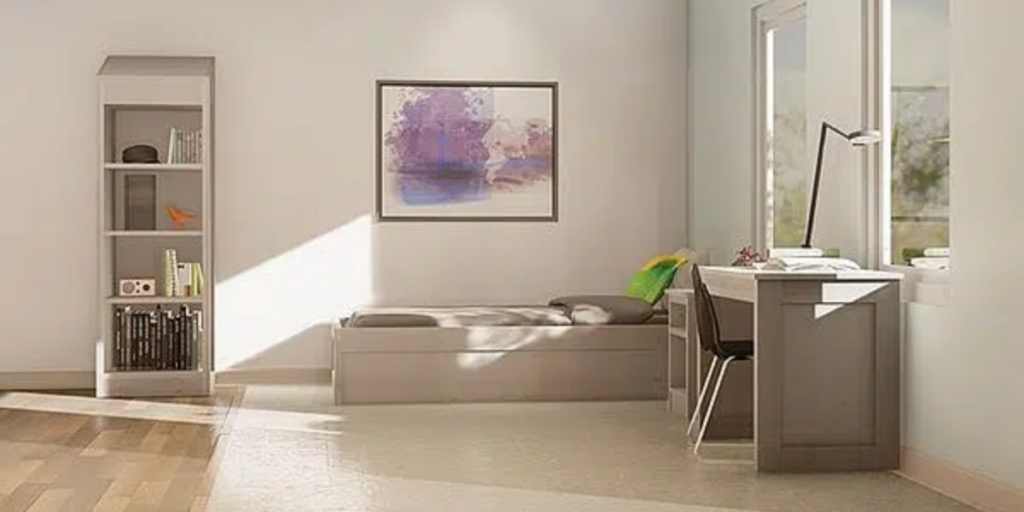
Safety in healthcare facilities starts with the furniture your patients & staff use every day. What seems like a simple chair or table can pose a serious hazard if it isn’t designed to be ligature-resistant. In behavioural health units, psychiatric wards, & long-term care settings, standard furniture can create hidden risks, from accidental entanglements to surfaces that degrade under rigorous cleaning.
Selecting the best furniture for these spaces is more than a catalog flip. You need to know which designs really reduce ligature risk, what materials meet requirements, and which vendors have the competence and experience to work within hospital environments. With expertise, product selection, and a healthcare focus, Furniture Concepts can assist high security environments in choosing ligature-resistant furniture that focuses on safety without sacrificing comfort or durability.
In this blog, we cover everything from the essential features of ligature-resistant furniture to practical tips for selecting chairs, sofas, and other behavioral health furniture that meet both safety and regulatory requirements.
Understanding Ligature Risks in Healthcare Facilities
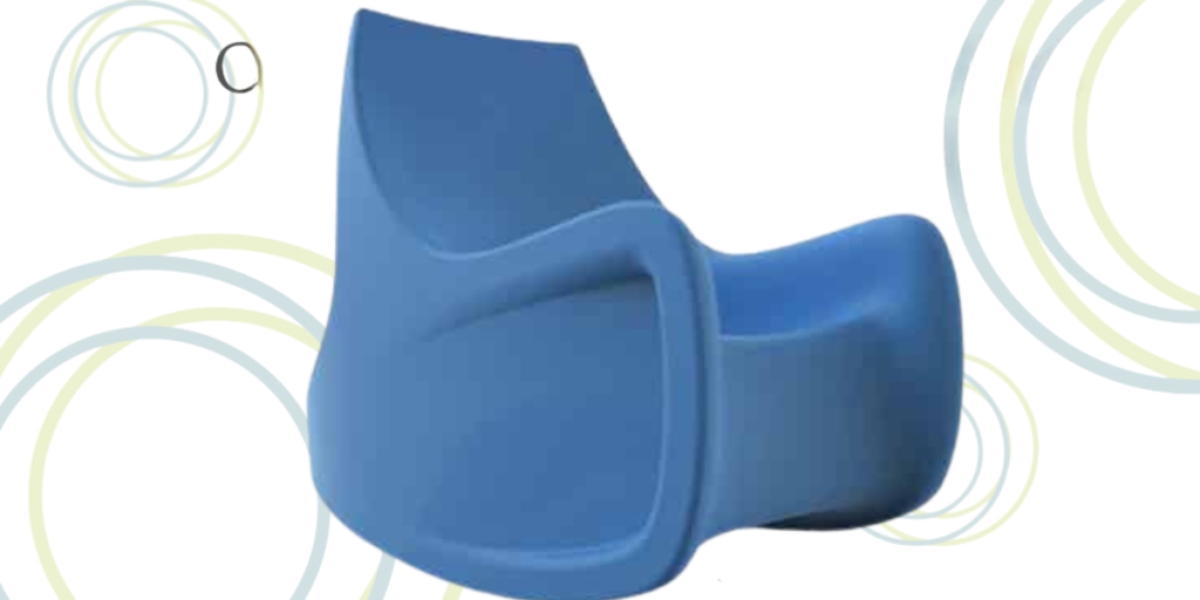
Sourcing durable equipment for specialized environments requires a complete shift in procurement logic. In specialized clinical zones, standard commercial furniture choices can inadvertently jeopardize patient life-safety protocols.
What Does “Ligature Resistant” Mean?
A ligature-resistant object or fixture is specifically designed, shaped, or anchored to minimize the risk that a vulnerable individual could attach a cord, line, clothing item, or shroud to it for self-harm purposes. It differs fundamentally from general heavy-duty commercial furniture, which focuses solely on durability and weight capacities.
True ligature resistant furniture eliminates any accessible looping paths, open hooks, structural bars, or catch points. From a regulatory perspective, maintaining these hardware standards is essential for passing Joint Commission surveys & meeting state-level Department of Health environmental guidelines.
Common Ligature Risks in Facilities
High-risk safety hazards are most prevalent in psychiatric emergency rooms, inpatient psychiatric units, substance use stabilization centers, & specific memory care or acute care areas. When standard commercial pieces are placed in these zones, they present numerous unintended vulnerabilities.
- Exposed Seam Overlaps: Gaps between seat cushions and backrests can allow materials to be threaded through and anchored.
- Open Under-Frames: Tubular metal legs or exposed cross-bracing provides immediate load-bearing tying points.
- Standard Mechanical Fasteners: Common screws, bolts, or exposed handles can be loosened, removed, and repurposed into anchoring points or sharp tools.
Key Features of Ligature-Resistant Furniture
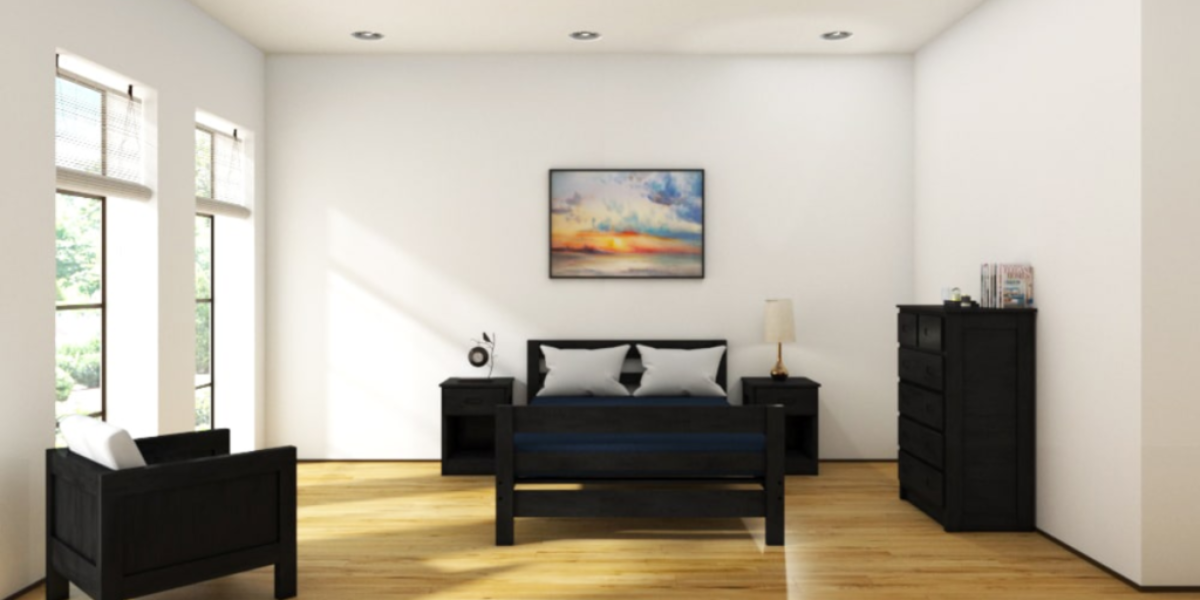
Building a truly secure healing environment requires knowing what specific physical attributes to look for during your material review process.
Ligature Resistant Furniture Characteristics
When looking at structural drawings for custom contract furniture, there are a few key design features that separate compliance items from high-risk options:
lIGATURE RESISTANT DESIGN MANDATES
1. Continuous Base Plinths
Eliminates floor-gap tie points
2. Tamper-Proof Torx Fasteners
Prevents hardware removal
3. Fully Enclosed Undersides
Blocks access to inner frames
The materials utilized must also withstand rigorous everyday decontamination protocols. High-impact rotationally molded polymers, heavy-duty solid surface compounds, & specialized contract-grade vinyls are chosen because they endure industrial-strength chemical disinfectants without warping, cracking, or degrading over time.
Ligature-Resistant Chairs and Seating Options
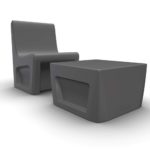
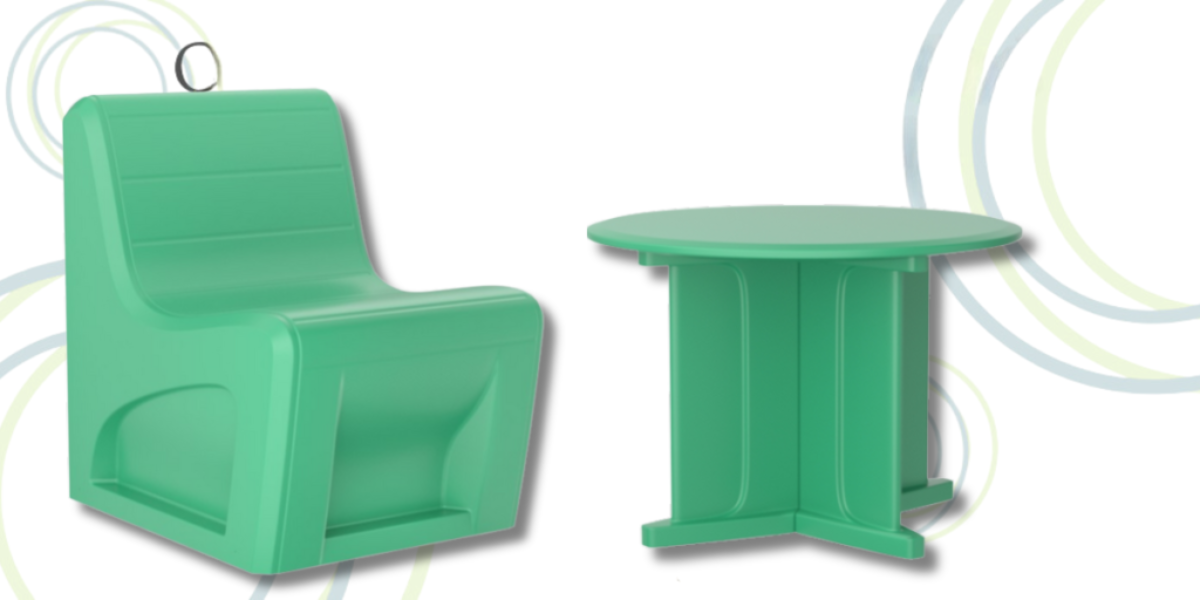
Seating units present the greatest engineering challenges because they must provide therapeutic comfort while maintaining absolute physical safety. A compliant ligature-resistant chair features a fully enclosed base plinth that sits flush against the floor surface, preventing the creation of an open under-bench loop.
Also, inside foam cushioning must be entirely sealed with heavy, fluid-resistant fabrics employing internal, tamper-resistant welding or security stitching. This stops patients from peeling away at layers of cloth to get at internal spring systems or structural components. Weight is another important safety consideration; these sitting pieces are generally designed with internal ballast chambers that are filled with sand or concrete, or they are directly connected to the structural floor slab so that they are not tossed or flipped.
Other Furniture Considerations
Beyond standard common-room seating, bedrooms and dining areas require an equally rigorous approach to environmental risk reduction:
- Platform Beds: Beds should feature fully boxed-in, floor-flush platforms devoid of headboard slats or open spaces below the mattress matrix.
- Activity Tables: Dining or recreational tables utilize solid column cylinders or heavy, solid-paneled legs instead of standard four-legged designs, completely eliminating open corner bracing.
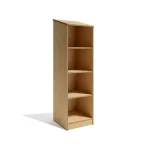
- Secure Storage Units: Wardrobes & shelving replace open closet rods with breakdown safety hooks or angled, open-faced cubbies that cannot support vertical weight loads.
Selecting the Right Supplier for Ligature-Resistant Furniture
Choosing a material partner for behavioral health environments is a decision that impacts both facility compliance and patient safety.
Experience and Reputation
Procurement officers should never purchase high-risk environmental equipment from generic commercial office catalogs. Sourcing materials for behavioral health furniture requires a deep understanding of mental health safety protocols.
Ask potential partners for a verifiable portfolio of completed projects within institutional settings, clinical case studies, & transparent references from hospital facilities managers who have successfully navigated complex health department inspections.
Product Range and Compliance Documentation
An experienced supplier should offer comprehensive collections across multiple furniture categories, ensuring consistency in aesthetic design & safety performance throughout common rooms, private bedrooms, & dining halls.
Every single product specified must be backed by transparent engineering documentation, independent flame-retardant testing logs, & clear impact-resistance verification sheets.
Cost vs. Long-Term Value
While specialized contract furniture demands a higher upfront investment compared to standard commercial pieces, the operational lifecycle value is significantly greater.
Cheap, non-compliant alternatives fail quickly under institutional stress, splitting at the seams or breaking under pressure. This forces facility managers into expensive, short-term replacement cycles & increases liability exposures, making certified behavioral gear the more cost-effective choice over time.
Trends and Innovations in Ligature-Resistant Furniture
The contract furniture landscape has evolved dramatically. Today, facility safety no longer requires an environment to look sterile or institutional.
MODERN EVOLUTION IN BEHAVIORAL DESIGN
PAST: Cold, institutional, stark, and visually jarring.
PRESENT: Warm wood-grain texturing, soft organic curves, de-escalation colors, and humanizing aesthetics.
Current product lines utilize warm wood-grain finishes chemically bonded to heavy polymer surfaces, alongside soft, organic shapes that promote clinical de-escalation. Advanced material options feature low-VOC coatings & antimicrobial top layers integrated directly into the structural material substrate, ensuring long-term infection control.
Modern hardware solutions include heavy-duty internal steel reinforcement plates & hidden fastening tracks. These elements maintain an open, welcoming, residential aesthetic while providing the necessary structural strength to keep patients safe.
Why Choose Furniture Concepts for Ligature-Resistant Solutions
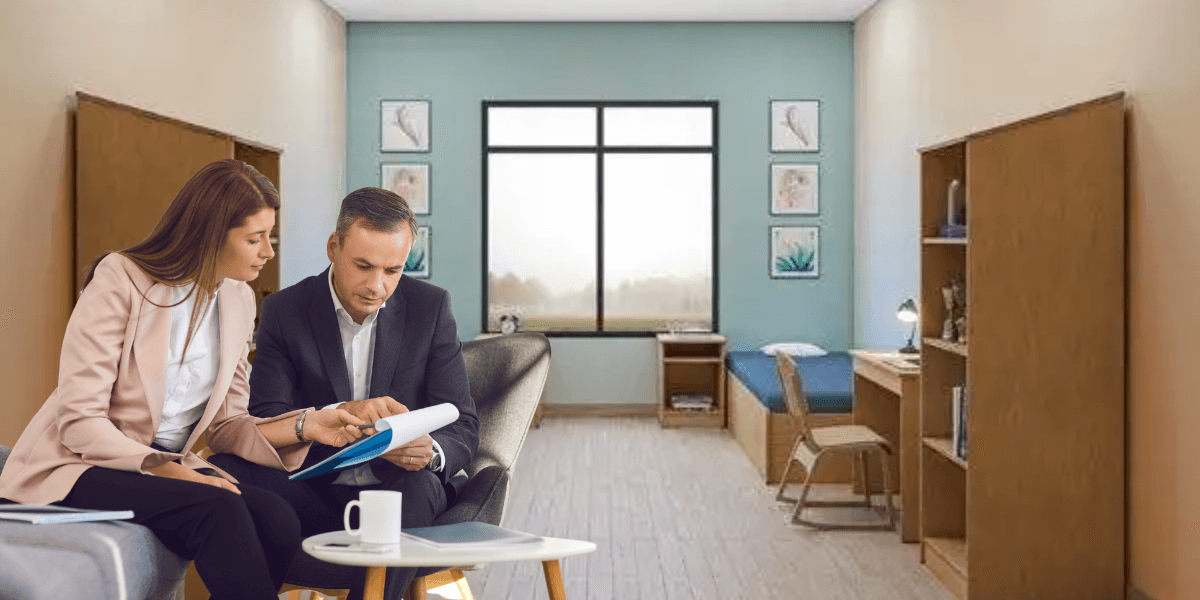 Highlight Furniture Concepts’ brand authority, expertise, and unique value in supplying ligature-resistant and anti-ligature furniture for healthcare facilities.
Providing durable, secure, and compliant interior environments across North America requires dedicated focus and deep industry knowledge. Furniture Concepts helps healthcare facilities optimize high-risk spaces with furniture specifically designed to reduce ligature risks.
- Extensive Nationwide Experience:
Decades of experience supplying specialized anti-ligature furniture to private psychiatric hospitals, state facilities, and regional healthcare centers. - Unmatched Product Depth:
Comprehensive catalog including specialized safety chairs and sofas, fully enclosed platform beds, tamper-resistant dining sets & multi-purpose behavioral health furniture. - Dedicated Specification Guidance:
Behavioral health furniture experts assist engineering and compliance teams through every phase of the project, ensuring all items meet specific safety requirements & regulatory standards. - Streamlined Procurement Protocols:
Easy sample requests, comprehensive material customization options, and reliable delivery tracking keep renovation or furnishing projects on schedule.
Conclusion
Selecting the right furniture for healthcare facilities is about more than style or cost; it’s about ensuring patient safety, meeting compliance standards, & investing in durable solutions that perform under rigorous use.
With Furniture Concepts, healthcare providers gain access to a full range of ligature-resistant & anti-ligature furniture, including chairs, sofas, and multi-purpose behavioral health furniture, all designed to withstand high-traffic use and frequent cleaning while reducing ligature risk. Their expertise, product depth, & focus on healthcare environments make them a trusted partner for facility managers & procurement teams.
Contact us today to request samples, discuss your project specifications, or get a quote for your next ligature-resistant furniture procurement.
Frequently Asked Questions
What does “ligature resistant” mean in healthcare furniture?
Ligature-resistant furniture is specifically designed to eliminate points where a person could attach ropes, cords, or other materials that might cause harm. This includes rounded edges, tamper-proof hardware, and concealed fixings. Furniture Concepts provides a full range of ligature-resistant products designed for behavioral health and other healthcare environments.
What is the difference between ligature-resistant and anti-ligature furniture?
The terms are often used interchangeably in general conversation, but they refer to the same design goal. "Anti-ligature" is often used to describe specific components or items that completely prevent any looping attachment, while "ligature-resistant" is the formal industry and regulatory term for furniture systems engineered to significantly minimize risk and satisfy institutional safety standards.
How do I select the right ligature-resistant chair for my facility?
You must evaluate the specific risk level of the target environment. High-risk, unmonitored patient spaces require heavy, rotationally molded polymer chairs with integrated ballast chambers to prevent tossing. Monitored common rooms can utilize reinforced frame lounge seating with fully enclosed bases, tight moisture barriers, & tamper-resistant seams that withstand aggressive cleaning protocols.
Can behavioral health furniture be customized to match facility design?
Yes. Modern behavioral health furniture can be tailored using a wide array of calming, therapeutic colors, non-porous wood-grain finishes, and specialized contract-grade textiles. This allows procurement managers to create a supportive, residential-style healing space without compromising on security, durability, or safety requirements.
Why is it important to source furniture from a specialized supplier?
Specialized suppliers ensure their products undergo independent safety evaluations and stress testing. Sourcing from an expert manufacturer like Furniture Concepts provides the necessary compliance documentation, flame-retardant certifications, and structural guarantees that generic commercial furniture dealers cannot offer, protecting your facility from failed safety inspections.